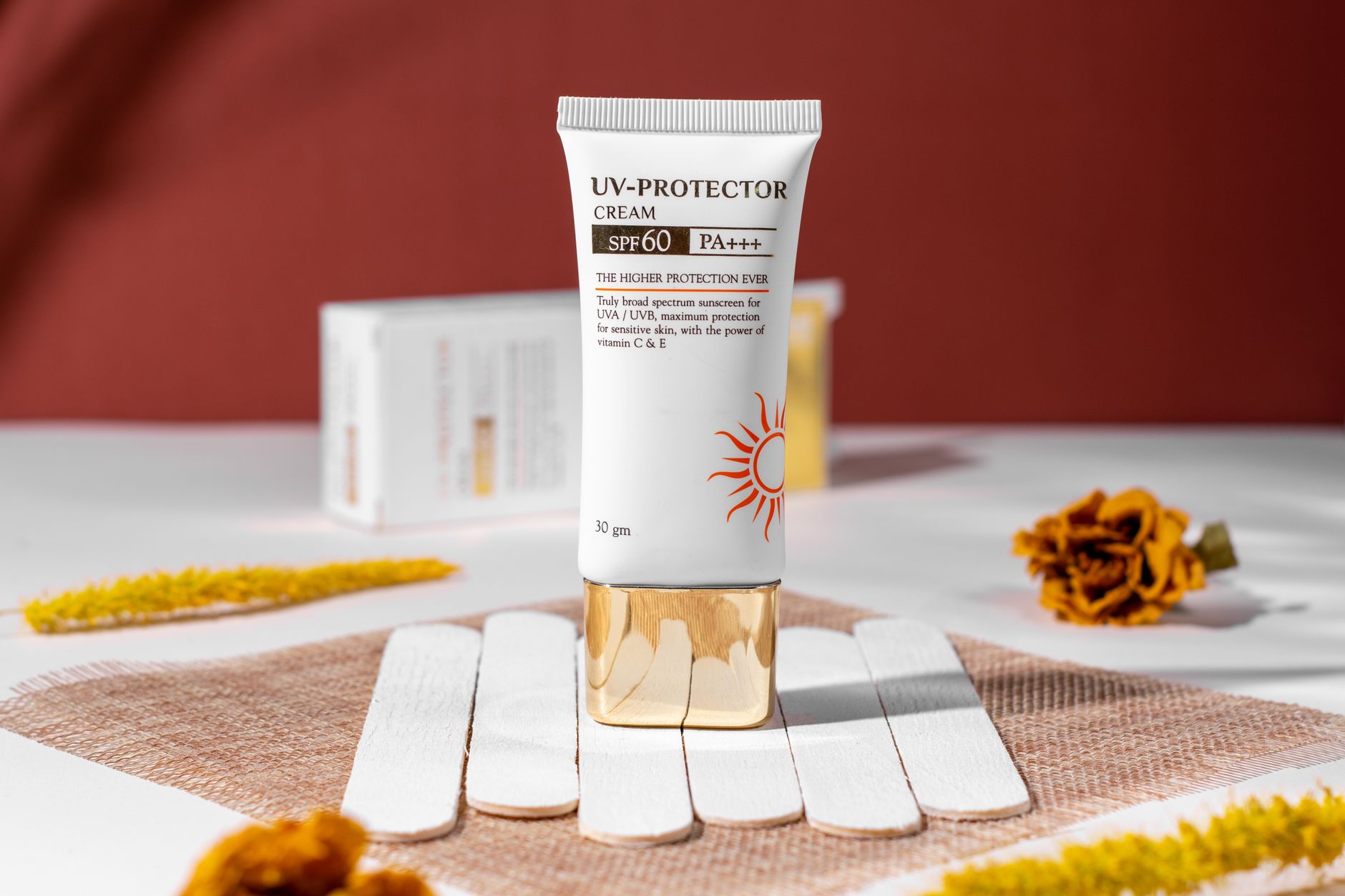
- Mineral sunscreens with zinc oxide and titanium dioxide are generally the most gentle for sensitive skin, offering broad-spectrum protection.
- Look for formulations labeled fragrance-free, hypoallergenic, and non-comedogenic to avoid common irritants.
- Key soothing ingredients like niacinamide, ceramides, and hyaluronic acid can further support the skin barrier while providing sun protection.
The quest for the best SPF for sensitive skin 2026 can feel like a never-ending journey. For those of us who experience redness, itching, or breakouts from conventional sunscreens, the stakes are high. We understand the frustration of finding a product that offers robust sun protection without triggering an adverse reaction. After years of meticulously testing countless formulas, deciphering ingredient lists, and diving deep into the science behind sun protection, we’ve identified the top contenders that truly deliver. Our skin, much like yours, has seen its share of trial and error, from unexpected rashes to persistent breakouts, all in the name of finding that elusive perfect SPF. We believe in empowering you with choices that are not just effective but also kind to your skin, ensuring that your daily sun protection routine is a source of comfort, not concern.
This guide is dedicated to helping you navigate the complex world of sunscreens, offering science-backed recommendations tailored specifically for sensitive skin types. We’ve focused on formulations that prioritize gentle, non-irritating ingredients while still providing broad-spectrum protection against both UVA and UVB rays. Our aim is to demystify the labels and highlight what truly matters when you’re seeking a sunscreen that respects your skin’s delicate balance. Forget the guesswork; we’ve done the rigorous research so you can confidently choose an SPF that protects your skin barrier, keeps irritation at bay, and integrates seamlessly into your routine. Let’s explore the best gentle SPFs that promise to be your skin’s new best friend.
What to Look For / Key Ingredients
When it comes to selecting a sunscreen for sensitive skin, understanding the “why” behind ingredient choices is crucial. It’s not just about avoiding certain chemicals; it’s about embracing formulations that actively support your skin’s health. We dive deep into the science to help you make informed decisions.
What are the main types of sunscreen filters and which is best for sensitive skin?
Related reading: Skincare Routine for Acne-Prone Skin: AM and PM Step by Step
The world of SPF is broadly divided into two categories: mineral (physical) sunscreens and chemical sunscreens. For sensitive skin, mineral sunscreens are often the preferred choice. These formulations rely on naturally occurring minerals, primarily zinc oxide and titanium dioxide, which sit on the skin’s surface and act as a physical barrier. They reflect and scatter UV radiation away from the skin. Both zinc oxide and titanium dioxide are generally well-tolerated because they’re less likely to penetrate the skin or cause irritation compared to some chemical filters. Zinc oxide, in particular, is lauded for its broad-spectrum protection, meaning it effectively blocks both UVA and UVB rays, and it also boasts mild anti-inflammatory properties.
Chemical sunscreens, on the other hand, absorb UV radiation and convert it into heat, which is then released from the skin. Common chemical filters include oxybenzone, avobenzone, octinoxate, octisalate, and homosalate. While many people use chemical sunscreens without issue, some of these filters can be potential irritants for very sensitive skin. When exploring options, we always recommend starting with mineral formulations first if you have a history of sensitivity.
Beyond filters, what other ingredients should sensitive skin look for or avoid?
The supporting cast of ingredients in a sunscreen’s formulation can make all the difference for sensitive skin. We prioritize products that are fragrance-free, dye-free, alcohol-free, and paraben-free. Fragrances are a leading cause of contact dermatitis. Alcohol can be drying and compromise the skin barrier.
Instead, seek out sunscreens enriched with soothing and barrier-supporting ingredients. These include:
- Niacinamide (Vitamin B3): Helps strengthen the skin barrier, reduce redness, and calm inflammation.
- Ceramides: Essential lipids that help to lock in moisture and protect against environmental aggressors.
- Hyaluronic Acid: A humectant that draws moisture into the skin, providing deep hydration.
- Glycerin: Another excellent humectant that supports skin hydration.
- Antioxidants (e.g., Vitamin E): Help neutralize free radicals, offering an added layer of protection.
Why is “broad-spectrum” and SPF level important for sensitive skin?
Related reading: Salicylic Acid Guide: How to Use It for Acne Without Over-Drying
Regardless of your skin type, broad-spectrum protection is non-negotiable. This means the sunscreen protects against both UVA rays (contributing to aging and skin cancer) and UVB rays (causing sunburn). For sensitive skin, preventing sunburn is paramount. Look for products clearly labeled “broad-spectrum” and ideally with a PA rating.
Regarding SPF levels, the American Academy of Dermatology recommends an SPF of 30 or higher. An SPF 30 blocks about 97% of UVB rays, while an SPF 50 blocks about 98%. The difference is minimal, but for sensitive skin, higher protection offers an extra buffer. However, no SPF blocks 100% of UV rays, and reapplication every two hours is key. Don’t rely solely on a high SPF number; proper application and reapplication are always critical.
Comparison Table
| Product | Key Sunscreen Ingredients | Best For | Price Range |
|---|---|---|---|
| La Roche-Posay Anthelios Melt-in Milk SPF 60 | Avobenzone 3%, Homosalate 10%, Octisalate 5%, Octocrylene 7% | Body & Face, Active Lifestyles, Rich Hydration | $25–$38 |
| CeraVe Hydrating Mineral Sunscreen SPF 50 | Zinc Oxide 9%, Titanium Dioxide 7% | Very Sensitive Skin, Dry Skin, Daily Use | $14–$20 |
| EltaMD UV Clear Facial Sunscreen SPF 46 | Zinc Oxide 9%, Octinoxate 7.5% | Acne-Prone Sensitive Skin, Rosacea, Post-Procedure | $39–$44 |
| Neutrogena Sheer Zinc Mineral Sunscreen SPF 50 | Zinc Oxide 21.6% | Pure Mineral Protection, Oily Skin, Budget-Friendly | $10–$16 |
| Paula’s Choice RESIST Super-Light Daily Wrinkle Defense SPF 30 | Zinc Oxide 13% | Oily/Combination Skin, Anti-Aging, Tinted | $30–$39 |
Detailed Reviews
La Roche-Posay Anthelios Melt-in Milk Sunscreen SPF 60
La Roche-Posay is a brand frequently recommended by dermatologists for its commitment to sensitive skin, and their Anthelios Melt-in Milk SPF 60 is this. While this particular formulation is a chemical sunscreen, it’s designed with sensitive skin in mind, boasting a fragrance-free, paraben-free, and non-comedogenic profile. The “Melt-in Milk” texture is incredibly lightweight and absorbs quickly, leaving no greasy residue or white cast, which can be a common concern with higher SPF formulations. We appreciate its high SPF 60, offering excellent broad-spectrum protection with filters like Avobenzone, Homosalate, Octisalate, and Octocrylene. The inclusion of Cell-Ox Shield® Technology means it’s formulated with antioxidants to further protect skin from free radicals. This sunscreen feels more like a luxurious moisturizer than a traditional SPF, providing significant hydration without feeling heavy. It’s also water-resistant for up to 80 minutes, making it an excellent choice for active individuals or humid climates. For those who tolerate chemical filters well and desire robust, comfortable protection with a seamless finish, this is a standout.
Verdict: An exceptional, hydrating chemical sunscreen providing high SPF and antioxidant benefits, ideal for sensitive skin that tolerates chemical filters and desires a lightweight, non-greasy feel. Shop La Roche-Posay Anthelios Melt-in Milk SPF 60 on Amazon
CeraVe Hydrating Mineral Sunscreen SPF 50 Face Lotion
When it comes to gentle, effective skincare, CeraVe is a consistent frontrunner, and their Hydrating Mineral Sunscreen SPF 50 Face Lotion is a perfect example of their expertise for sensitive skin. This 100% mineral sunscreen features a powerful combination of 9% Zinc Oxide and 7% Titanium Dioxide to provide broad-spectrum protection without irritation. What truly sets this formula apart is its dedication to skin barrier health. It’s enriched with three essential ceramides (1, 3, 6-II), which are crucial for restoring and maintaining the skin’s natural barrier. These ceramides work synergistically with hyaluronic acid to attract and retain moisture, ensuring your skin stays hydrated and comfortable throughout the day. It’s also non-comedogenic, fragrance-free, oil-free, and paraben-free, minimizing the risk of breakouts or allergic reactions. While mineral sunscreens can sometimes leave a white cast, CeraVe has worked to create a more blendable texture, though a slight initial cast might be visible on deeper skin tones before fully absorbing. We find its hydrating properties make it particularly suitable for dry, sensitive skin types seeking reliable, gentle protection.
Verdict: An excellent, hydrating 100% mineral sunscreen packed with ceramides and hyaluronic acid, perfect for very sensitive, dry skin prioritizing barrier health and gentle protection. Shop CeraVe Hydrating Mineral Sunscreen SPF 50 Face Lotion on Amazon
EltaMD UV Clear Facial Sunscreen SPF 46
EltaMD UV Clear Facial Sunscreen SPF 46 has earned cult-favorite status for good reason, especially among those with sensitive, acne-prone skin or rosacea. This hybrid formula combines the gentle protection of 9% Zinc Oxide with the chemical filter 7.5% Octinoxate to deliver broad-spectrum coverage. What makes it truly exceptional for sensitive skin is the inclusion of 5% Niacinamide. This superstar ingredient helps to reduce inflammation, calm redness, and minimize the appearance of pores, all while bolstering the skin barrier. The texture is famously lightweight, silky, and absorbs effortlessly, leaving absolutely no white cast, making it an ideal choice for daily wear under makeup. It’s also oil-free, fragrance-free, paraben-free, and non-comedogenic, diligently formulated to prevent breakouts. We particularly appreciate its versatility, as it provides effective sun protection alongside significant skin-calming benefits, making it suitable even for post-procedure skin or those prone to persistent redness. Its gentle yet potent combination addresses multiple concerns simultaneously.
Verdict: A highly recommended, lightweight hybrid sunscreen with niacinamide, expertly formulated for sensitive, acne-prone skin or rosacea, offering both protection and skin-calming benefits. Shop EltaMD UV Clear Facial Sunscreen SPF 46 on Amazon
Neutrogena Sheer Zinc Mineral Sunscreen SPF 50
For those who prioritize pure mineral protection without compromise, the Neutrogena Sheer Zinc Mineral Sunscreen SPF 50 is a fantastic, accessible option. Featuring a high concentration of 21.6% Zinc Oxide, this sunscreen offers robust broad-spectrum protection against UVA and UVB rays. As a 100% mineral formula, it’s inherently gentle, making it an excellent choice for even the most reactive skin types. We appreciate that it’s designed with Neutrogena’s Purescreen® technology, ensuring the zinc oxide is effectively dispersed for optimal protection. While a higher percentage of zinc oxide can sometimes mean a more noticeable white cast, Neutrogena has worked to improve its blendability, offering a “sheer” finish relative to other high-zinc formulas. It’s also notably fragrance-free, paraben-free, phthalate-free, dye-free, and oil-free, making it incredibly friendly for sensitive and acne-prone skin. It’s water-resistant for up to 80 minutes, providing reliable protection for outdoor activities. This is a solid, no-frills choice for anyone seeking strong, non-irritating mineral sun protection at a more budget-friendly price point.
Verdict: A reliable, high-concentration 100% zinc oxide mineral sunscreen offering robust, gentle protection at an accessible price point, ideal for purists with sensitive skin. Shop Neutrogena Sheer Zinc Mineral Sunscreen SPF 50 on Amazon
Paula’s Choice RESIST Super-Light Daily Wrinkle Defense SPF 30
Paula’s Choice is revered for its evidence-based formulations, and the RESIST Super-Light Daily Wrinkle Defense SPF 30 is a standout product for sensitive, oily, or combination skin types looking for anti-aging benefits alongside sun protection. This 100% mineral sunscreen uses 13% Zinc Oxide to provide broad-spectrum UVA/UVB protection. What truly makes it shine for sensitive skin is its thoughtful formulation. It’s lightly tinted to help counteract the white cast often associated with mineral sunscreens, providing a subtle, perfecting finish that can even out skin tone. Beyond sun protection, it’s packed with antioxidants like resveratrol and quercetin, which help to defend the skin against environmental damage and visible signs of aging. The formula is wonderfully lightweight and has a matte finish, making it perfect for those who struggle with excess oil or prefer a non-shiny look. It’s also fragrance-free, non-comedogenic, and contains no harsh sensitizing ingredients. We find this to be an exceptional daily moisturizer with SPF for anyone seeking a multi-tasking product that offers gentle sun protection, anti-aging benefits, and a beautiful finish.
Verdict: An outstanding tinted mineral sunscreen with anti-aging antioxidants, perfect for sensitive, oily, or combination skin seeking a matte finish and comprehensive daily protection. Shop Paula’s Choice RESIST Super-Light Daily Wrinkle Defense SPF 30 on Amazon
How to Build a Routine / Expert Tips
Integrating sunscreen into your sensitive skincare routine doesn’t have to be complicated. It’s about strategic layering and consistent application to ensure maximum protection and comfort.
- Cleanse Gently, Then Treat: Start your routine with a mild, low-pH cleanser. After cleansing, apply any targeted treatments like serums (e.g., hyaluronic acid, niacinamide) to clean, dry skin. Allow these to absorb fully for a few minutes before moving on.
- Moisturize Strategically: If your chosen sunscreen is not highly moisturizing (like some of the mineral options), apply a lightweight, fragrance-free moisturizer before your SPF. This provides an extra layer of hydration and helps create a smooth canvas for sunscreen application, which can sometimes reduce the appearance of a white cast.
- Apply Sunscreen Liberally and Evenly: This is arguably the most crucial step. Use a generous amount – about a nickel-sized dollop for your face and neck, or approximately half a teaspoon. Apply it as the last step in your morning skincare routine, before any makeup. Don’t rub it in too vigorously; instead, gently pat or smooth it over your skin to ensure an even layer. For mineral sunscreens, applying in thinner layers can help minimize the white cast.
- Reapply Throughout the Day: Sunscreen isn’t a “one-and-done” product. Reapplication is essential, especially for sensitive skin. We recommend reapplying every two hours if you’re outdoors, or immediately after swimming, sweating heavily, or towel-drying. For days spent mostly indoors, reapplying every 4-6 hours, particularly if near windows, can still be beneficial. Consider a brush-on mineral powder SPF for easy reapplication over makeup.
- Don’t Forget Sun-Smart Habits: While sunscreen is vital, it’s just one part of a comprehensive sun protection strategy. Seek shade during peak sun hours (10 AM to 4 PM), wear wide-brimmed hats, sunglasses, and UPF (Ultraviolet Protection Factor) clothing. These habits significantly reduce your overall UV exposure and lessen the burden on your skin, especially important for sensitive types.
FAQ
What is the best way to patch test a new sunscreen for sensitive skin?
Patch testing is crucial for sensitive skin. Apply a small amount of the new sunscreen to an inconspicuous area, like behind your ear or on your inner forearm, for several days. If no redness, itching, or irritation occurs after 48-72 hours, it’s likely safe for broader facial application.
Can sensitive skin use chemical sunscreens, or should I stick to mineral only?
While mineral sunscreens (zinc oxide, titanium dioxide) are often recommended for sensitive skin due to their gentle nature, many people with sensitive skin tolerate certain chemical sunscreens well. Look for formulations labeled “fragrance-free” and “hypoallergenic,” and always patch test thoroughly before full application.
How much sunscreen should I apply to my face and neck for adequate protection?
For your face and neck, aim for about a nickel-sized dollop of sunscreen, which is roughly half a teaspoon. This amount ensures you’re getting the SPF protection stated on the bottle. Don’t skimp on application, as using too little significantly reduces its efficacy.
What does “non-comedogenic” mean for sensitive and acne-prone skin?
“Non-comedogenic” means the product has been formulated in a way that’s less likely to clog pores, which can lead to blackheads, whiteheads, and acne breakouts. This label is particularly important for those with sensitive skin that’s also prone to acne, ensuring the sunscreen won’t exacerbate skin issues.
How often should I reapply sunscreen if I’ve sensitive skin?
For optimal protection, especially if you’re outdoors, sweating, or swimming, you should reapply sunscreen every two hours. Even if you’re mostly indoors but near windows, reapplication after 4-6 hours is a good practice to maintain consistent protection for your delicate skin.
Conclusion
Navigating the world of sunscreens with sensitive skin can be daunting, but with the right knowledge and product choices, achieving robust, irritation-free sun protection is entirely possible. We’ve explored some of the best SPF for sensitive skin 2026, focusing on formulations that prioritize both efficacy and gentleness. Whether you lean towards the soothing power of 100% mineral filters like zinc oxide, or find comfort in carefully formulated chemical options, there’s a sunscreen out there designed to meet your skin’s unique needs. Remember, the best sunscreen is the one you’ll consistently use, so finding a texture and finish that you love is just as important as the ingredients it contains. Prioritize broad-spectrum, fragrance-free options, and don’t underestimate the power of soothing ingredients to keep your skin barrier happy and healthy. Embrace your sun protection routine with confidence, knowing you’re giving your sensitive skin the care it deserves. Find your perfect sensitive skin SPF on Amazon today!
Related Articles
- How to Build a Skincare Routine for Sensitive Skin
- Best Moisturizers for Dry Skin 2026: Rich Creams That Actually Hydrate
- Best Retinol Serums 2026: Top 5 Ranked by Strength and Results
- Peptides in Skincare: What They Do and Which Products Are Worth It for Mature Skin 2026
Where to Buy

💬 Join the Conversation
Have thoughts on this article? We'd love to hear from you.