When you purchase through links on our site, we may earn an affiliate commission. How it works.
Quick Answer
- Focus on fragrance-free, minimalist formulas with soothing and barrier-repairing ingredients.
- Introduce new products one at a time to identify potential irritants.
- Always prioritize gentle cleansing, effective hydration, and sun protection.
Introduction
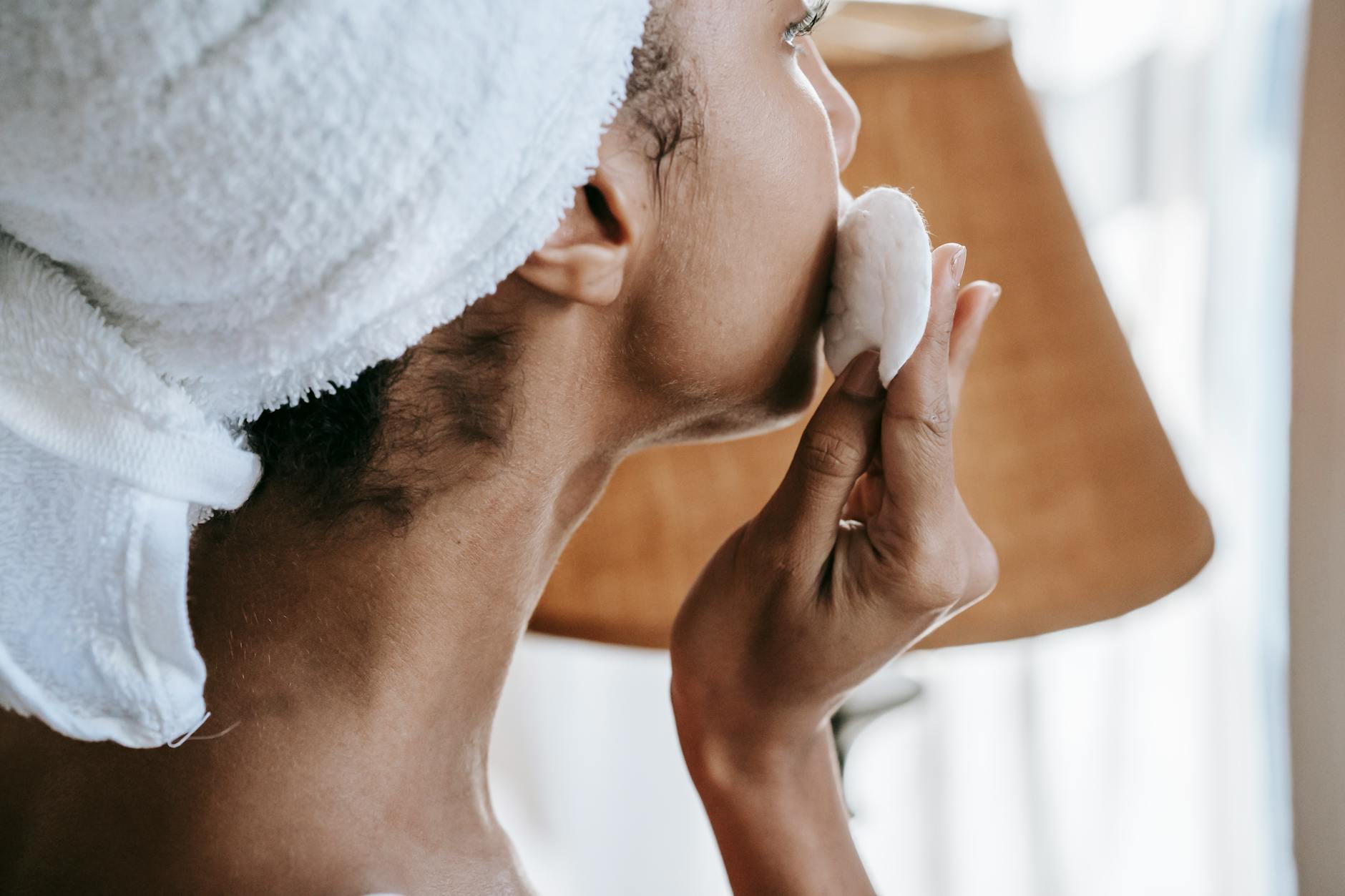
Building a skincare routine for sensitive skin doesn’t have to feel like navigating a minefield. Reactive skin often presents the frustration of wanting glowing skin but encountering redness and stinging instead. Research indicates that it is not about how many steps you do, but rather the quality and compatibility of the ingredients. This guide is here to demystify the process by providing science-backed recommendations and practical advice to help build a routine that nourishes and calms the complexion. The goal is to create a routine that supports skin that feels happy, healthy, and resilient.
What to Look For / Key Ingredients for Sensitive Skin
When you have sensitive skin, the mantra is less is more, and gentle is paramount. This isn’t just about avoiding harsh chemicals; it’s about understanding how certain ingredients interact with your skin. And what your skin actually needs to thrive. The skin barrier, your skin’s outermost protective layer, is often compromised in sensitive individuals. This barrier is crucial for retaining moisture and keeping irritants out. When it’s weakened, skin becomes more prone to redness, dryness, and reactivity. Therefore, a successful sensitive skin routine focuses on repairing and strengthening this barrier while avoiding anything that could further inflame or strip it.
Key Formulation Principles:
- Minimalist Formulas: Look for products with a short ingredient list. Fewer ingredients mean a lower chance of encountering something that triggers a reaction. Long lists of botanical extracts, essential oils, or synthetic fragrances are common culprits for irritation.
- Fragrance-Free: This is non-negotiable for sensitive skin. “Fragrance” or “parfum” on an ingredient list can hide dozens of chemicals, many of which are known allergens. Products explicitly labeled “fragrance-free” are generally preferred over “unscented” options, as unscented products might contain masking fragrances.
- pH-Balanced: Healthy skin has a slightly acidic pH (around 4.5-5.5). Cleansers and toners that are too alkaline can disrupt this pH, stripping the skin and weakening the barrier. Look for cleansers with a pH closer to your skin’s natural range.
- Hypoallergenic & Non-Comedogenic: While not always a guarantee, these labels indicate that a product is formulated to minimize the risk of allergic reactions and pore-clogging, respectively.
- Patch Testing: Always perform a patch test on a small, discreet area of skin (like behind your ear or on your inner forearm) for 24-48 hours before applying a new product to your entire face. This is the gold standard for identifying potential irritants.
Hero Ingredients for Sensitive Skin:
- Ceramides: These are natural lipids found in the skin barrier. When replenished, they help restore barrier function, improve hydration, and reduce sensitivity. They’re fundamental for healthy, resilient skin.
- Hyaluronic Acid: A humectant that draws moisture from the environment into the skin, providing hydration without greasiness. It’s generally well-tolerated by all skin types, including sensitive. Look for various molecular weights for multi-level hydration.
- Niacinamide (Vitamin B3): This multi-tasking ingredient is a powerhouse for sensitive skin. It helps to reduce inflammation and redness, strengthen the skin barrier, and improve the appearance of pores over time. It’s also an antioxidant. It is generally recommended to start with lower concentrations (2-5%) if you’re new to it, as some very sensitive individuals may react to higher percentages.
- Glycerin: Another excellent humectant, glycerin is a common and effective ingredient for attracting and retaining moisture. It’s gentle and widely used in sensitive skin formulations.
- Panthenol (Vitamin B5): Known for its soothing and healing properties. It can help calm irritation, reduce redness, and improve skin hydration. It’s a fantastic ingredient for post-procedure care or for skin that feels compromised.
- Centella Asiatica (Cica): This plant extract, also known as tiger grass, is revered for its anti-inflammatory and wound-healing benefits. It’s excellent for calming redness, soothing irritation, and promoting skin recovery.
- Oat Extract (Colloidal Oatmeal): A classic ingredient for sensitive skin, colloidal oatmeal has potent anti-inflammatory and anti-itch properties. It helps to soothe dryness and irritation, making it a staple in many sensitive skin products.
- Squalane: A hydrogenated form of squalene (a lipid naturally found in skin), squalane is an excellent emollient and moisturizer. It’s non-comedogenic, mimics skin’s natural oils, and helps to improve suppleness and reduce moisture loss.
- Gentle Exfoliants (used sparingly): While harsh physical scrubs and high-concentration AHAs/BHAs can be problematic, very gentle chemical exfoliants like Polyhydroxy Acids (PHAs), such as gluconolactone or lactobionic acid, offer exfoliation with humectant properties and a larger molecular size, making them less likely to penetrate and irritate. Mandelic acid, an Alpha Hydroxy Acid (AHA) with a larger molecule, is also often better tolerated.
Comparison Table
| Product | Key Ingredient(s) | Best For | Price Range |
|---|---|---|---|
| CeraVe Hydrating Facial Cleanser | Ceramides, Hyaluronic Acid, Niacinamide | Gentle daily cleansing, removing light makeup and impurities without stripping natural oils, suitable for dry and normal sensitive skin. | $12–$17 |
| La Roche-Posay Toleriane Double Repair Face Moisturizer | Ceramides, Niacinamide, Prebiotic Thermal Water | Daily hydration, barrier repair, soothing redness and irritation, suitable for normal to dry sensitive skin. | $20–$26 |
| EltaMD UV Clear Broad-Spectrum SPF 46 | Zinc Oxide, Octinoxate, Niacinamide, Hyaluronic Acid | Daily broad-spectrum sun protection, calming redness and breakouts, lightweight and non-greasy, ideal for acne-prone and sensitive skin. | $39–$44 |
| Paula’s Choice RESIST Barrier Repair Moisturizer with Retinol | Ceramides, Retinol (0.01%), Niacinamide, Peptides | Gentle anti-aging and barrier repair, suitable for sensitive skin tolerating low-dose retinol for evening use, addresses fine lines and uneven tone. | $30–$39 |
| Vanicream Moisturizing Cream | Petrolatum, Sorbitol, White Petrolatum | Intense, simple hydration for very dry and compromised sensitive skin, seals in moisture, free from common irritants like dyes, fragrance, parabens, and lanolin. | $12–$17 |
Detailed Reviews
CeraVe Hydrating Facial Cleanser
The CeraVe Hydrating Facial Cleanser has earned its cult status for a reason, especially within the sensitive skin community. Its formula is a masterclass in gentle efficacy. At its core are three essential ceramides (1, 3, and 6-II), which are vital lipids that make up a significant portion of the skin’s natural barrier. By replenishing these ceramides, this cleanser helps to restore and maintain the skin’s protective function, preventing moisture loss and reducing reactivity. It also contains hyaluronic acid, a potent humectant that draws moisture into the skin, ensuring that the complexion feels hydrated rather than tight after cleansing. The inclusion of niacinamide offers additional anti-inflammatory benefits, helping to calm redness and soothe irritation. What makes this cleanser particularly suitable for sensitive skin is what it doesn’t contain: it’s fragrance-free, soap-free, and non-foaming, which means it effectively removes dirt, oil, and makeup without stripping the skin’s natural moisture barrier or causing irritation. The MVE (MultiVesicular Emulsion) technology ensures a slow, steady release of ingredients for long-lasting hydration. The cleanser does not lather much, but this characteristic is generally considered beneficial for sensitive skin.
CeraVe Hydrating Facial Cleanser
Verdict: An exceptionally gentle and effective cleanser that supports barrier health while thoroughly cleansing.
La Roche-Posay Toleriane Double Repair Face Moisturizer
La Roche-Posay’s Toleriane line is specifically formulated for sensitive and intolerant skin, and their Double Repair Face Moisturizer is a standout product. This moisturizer is designed to do more than just hydrate; it actively works to restore the skin’s barrier function, making it an ideal choice for those struggling with redness, dryness, and sensitivity. The “double repair” comes from its potent blend of ingredients. Firstly, it contains a high concentration of ceramides and niacinamide. As we’ve discussed, ceramides are crucial for barrier integrity, while niacinamide is a star ingredient for reducing inflammation and improving skin resilience. Secondly, it incorporates prebiotic thermal water, sourced from La Roche-Posay’s thermal spring. This water is rich in minerals and selenium, known for its soothing and antioxidant properties. Together, these ingredients help to calm the skin, reduce the appearance of redness, and reinforce the skin’s natural defense system. The texture is a lightweight cream that absorbs quickly without feeling heavy or greasy, making it comfortable for daily use by normal to dry sensitive skin types. It provides lasting hydration without clogging pores or leaving a sticky residue.
La Roche-Posay Toleriane Double Repair Face Moisturizer
Verdict: A superior moisturizer that actively repairs the skin barrier while providing deep, comfortable hydration for sensitive skin.
EltaMD UV Clear Broad-Spectrum SPF 46
Sun protection is arguably the most critical step in any skincare routine, but for sensitive skin, finding an effective and non-irritating sunscreen can be a challenge. EltaMD UV Clear Broad-Spectrum SPF 46 is consistently recommended by dermatologists for a reason. This sunscreen utilizes 9% zinc oxide as its primary active ingredient, a mineral filter known for being gentle and effective. Zinc oxide is not only a broad-spectrum UVA and UVB protector but also possesses anti-inflammatory properties, making it particularly beneficial for calming redness and irritation associated with sensitive and acne-prone skin. The formula also includes octinoxate, another chemical filter that works synergistically with zinc oxide to provide comprehensive sun protection. What sets UV Clear apart are its additional skin-benefiting ingredients. It contains niacinamide, which helps to calm inflammation and improve skin tone, and hyaluronic acid to hydrate and plump the skin. The texture is incredibly lightweight, oil-free, and leaves no white cast, making it suitable for all skin tones and types, including those prone to acne or rosacea. It feels more like a light lotion than a traditional sunscreen, which is a huge win for sensitive skin.
EltaMD UV Clear Broad-Spectrum SPF 46
Verdict: An essential, dermatologist-loved sunscreen that offers robust protection with calming and hydrating benefits for sensitive skin.
Paula’s Choice RESIST Barrier Repair Moisturizer with Retinol
Introducing retinol to a sensitive skin routine requires caution, but Paula’s Choice has formulated their RESIST Barrier Repair Moisturizer with a very low concentration of retinol (0.01%) specifically for this purpose. Retinol, a derivative of Vitamin A, is a gold-standard ingredient for anti-aging, helping to boost collagen production, improve cell turnover, and reduce the appearance of fine lines and wrinkles. However, it can also be irritating. This moisturizer masterfully balances the benefits of retinol with ingredients that soothe and repair. It’s packed with ceramides, peptides, and niacinamide, all of which work together to support and strengthen the skin barrier, counteract potential dryness or irritation from the retinol, and improve overall skin texture and tone. The texture is a rich, creamy consistency that feels nourishing and comforting, making it ideal for use in the evening. For those with sensitive skin who wish to incorporate the benefits of retinol but are hesitant, this product offers a gentle entry point. It’s crucial to start slow, perhaps using it only 2-3 times a week initially, and always follow up with sunscreen during the day. This formulation is designed to allow users to experience the benefits of retinol while minimizing the risk of typical redness or peeling associated with other products. The only thing to watch out for is the price; it’s definitely an investment.
Paula’s Choice RESIST Barrier Repair Moisturizer with Retinol
Verdict: A sophisticated, barrier-focused moisturizer that allows sensitive skin to gently benefit from a low-dose of retinol.
Vanicream Moisturizing Cream
When skin is highly reactive and needs pure, unadulterated moisture, Vanicream Moisturizing Cream is an absolute lifesaver. This product is the epitome of a no-frills, highly effective moisturizer designed for the most sensitive and compromised skin types. Its ingredient list is intentionally short and free from common irritants such as dyes, fragrance, parabens, lanolin, formaldehyde, and other preservatives. The primary moisturizing agents are petrolatum and white petrolatum, which are occlusives. This means they create a physical barrier on the skin’s surface, effectively sealing in moisture and protecting the skin from environmental factors. It also contains sorbitol, a humectant that helps to attract and retain water. The texture is thick and rich, making it incredibly effective for very dry, flaky, or eczema-prone skin. While it might feel a bit heavy for some, its simplicity and efficacy are for restoring severely dry or irritated skin. It is often recommended for nighttime use or on areas of the body that are particularly dry and sensitive. It’s a budget-friendly powerhouse for barrier repair.
Vanicream Moisturizing Cream
Verdict: An indispensable, ultra-gentle, and highly effective cream for intense hydration and barrier support in severely dry or sensitive skin.
How to Build a Routine / Expert Tips
Building a skincare routine for sensitive skin is about consistency, patience, and understanding your skin’s unique needs. It’s not about complicated multi-step processes, but rather about choosing the right products and using them wisely. Here are key tips for creating a successful routine:
- Simplify and Prioritize the Core Three: Start with the absolute essentials: a gentle cleanser, a good moisturizer, and daily sunscreen. Don’t feel pressured to use a serum, toner, and essence right away. Focus on mastering these three steps first. A gentle cleanser removes impurities without stripping, a moisturizer replenishes and protects, and sunscreen is non-negotiable for preventing further damage and sensitivity.
- Introduce New Products One at a Time: This is perhaps the most critical rule for sensitive skin. When you introduce a new product, use it for at least two to three weeks before adding another new item. This allows you to accurately identify which product, if any, is causing irritation or breakouts. If you introduce multiple products at once, you won’t know which one is the culprit if a reaction occurs. Slowing down the routine can help distinguish between general sensitivity and specific product reactions.
- Listen to Your Skin and Adjust: Your skin’s needs can change based on the weather, stress levels, diet, and even hormonal fluctuations. Pay attention to how your skin feels. If it feels tight, dry, or sensitive, scale back on active ingredients (like retinoids or exfoliants) and focus on hydration and calming ingredients. If it feels comfortable and balanced, you can consider gradually introducing a targeted treatment if desired.
- Be Wary of “Active” Ingredients and Follow with Care: Ingredients like retinoids, AHAs, and BHAs can be beneficial but are also known irritants. If you choose to use them, opt for formulations designed for sensitive skin, start with low concentrations, and use them infrequently (e.g., 1-2 times per week). Always apply them at night, and be absolutely diligent with your SPF the next day, as these ingredients can increase photosensitivity. Consider gentler alternatives like PHAs or mandelic acid if you have very reactive skin.
- Cleanse Gently and Avoid Over-Washing: Sensitive skin often benefits from being cleansed just once a day, typically in the evening, to remove the day’s grime and makeup. In the morning, a simple splash of lukewarm water or a very quick, gentle rinse with your cleanser might be sufficient. Always use lukewarm water, as hot water can strip natural oils and increase redness. Pat your skin dry with a soft towel rather than rubbing.
FAQ
Q1: How often should I wash my face if I’ve sensitive skin? For sensitive skin, it’s often best to cleanse just once a day, preferably in the evening, to remove makeup and impurities. In the morning, a splash of lukewarm water may be enough to refresh your skin without stripping it. Over-washing can exacerbate dryness and irritation.
Q2: What are the biggest ingredients to avoid for sensitive skin? You should generally avoid fragrance (parfum), alcohol (denatured alcohol, ethanol), essential oils, and harsh sulfates (like SLS/SLES). These ingredients are common triggers for redness, stinging, and allergic reactions in sensitive complexions. These are typically the first ingredients to check on a label when identifying potential irritants for sensitive skin.
Q3: Can I use serums with sensitive skin? Yes, but with caution and careful selection. Look for serums with soothing ingredients like niacinamide, centella asiatica, hyaluronic acid, or ceramides. Introduce them slowly, one at a time, and always patch-test first. Avoid serums with high concentrations of AHAs, BHAs, or fragrance.
Q4: How long does it take to see results from a new skincare routine for sensitive skin? It takes patience! It can take anywhere from 4 to 12 weeks to see noticeable improvements in your skin’s condition and a reduction in sensitivity. This is because skin cell turnover is a cycle, and barrier repair takes time. Stick with your gentle routine consistently.
Q5: Is it okay to use makeup with sensitive skin? Yes, it’s! Look for mineral-based makeup or products specifically formulated for sensitive skin, often labeled as “hypoallergenic” or “non-comedogenic.” Always remove your makeup thoroughly at the end of the day with a gentle cleanser to prevent clogged pores and irritation.
Conclusion
Building a skincare routine for sensitive skin is a journey of understanding and gentle care. By prioritizing minimalist formulas, fragrance-free options, and ingredients that support and repair the skin barrier – such as ceramides, niacinamide, and hyaluronic acid – you can achieve a healthy, calm complexion. Remember to introduce new products slowly, listen to your skin’s cues, and never skip your SPF. The products reviewed, from CeraVe’s gentle cleanser to Vanicream’s comforting cream, are excellent starting points for sensitive skin. Consistency and patience are your greatest allies in this endeavor. With the right approach, your sensitive skin can transform into resilient, radiant skin.
Discover more gentle skincare options on Amazon
Where to Buy



💬 Join the Conversation
Have thoughts on this article? We'd love to hear from you.