When you purchase through links on our site, we may earn an affiliate commission. How it works.
Quick Answer Box
- Start Slow and Low: Begin with a 0.5-2% salicylic acid product 2-3 times a week, increasing frequency only if your skin tolerates it well.
- Prioritize Hydration: Always follow salicylic acid application with a soothing, non-comedogenic moisturizer to support your skin barrier and prevent dryness.
- Sunscreen is Non-Negotiable: Salicylic acid can increase sun sensitivity, so apply a broad-spectrum SPF 30+ sunscreen daily, even on cloudy days.
If you’re grappling with breakouts, how to use salicylic acid for acne is likely a top question on your mind. It’s a game-changer for clearing pores and reducing inflammation, but the common fear of over-drying often holds people back from experiencing its full benefits.
Many women seek clear skin without stripping away their natural moisture. The good news is, you absolutely can harness the power of salicylic acid for acne without leaving your skin feeling tight, flaky, or irritated. This guide will walk you through the science, the best products, and the expert tips to integrate this incredible ingredient into your routine. Get ready to understand exactly why salicylic acid works and how to make it work for you, maintaining a healthy, hydrated complexion while saying goodbye to breakouts.
What to Look For: Understanding Salicylic Acid Formulations
When it comes to choosing a salicylic acid product, it’s not just about grabbing the first one you see. Understanding the science behind its formulation and what to look for can make all the difference in achieving clear skin without undesirable dryness.
The Science Behind Salicylic Acid (BHA)
Salicylic acid is a beta-hydroxy acid (BHA), which sets it apart from alpha-hydroxy acids (AHAs) like glycolic or lactic acid. The key difference? BHAs are oil-soluble. This unique property allows salicylic acid to penetrate through the skin’s natural oils and deep into the pores. Once inside, it dissolves the sticky mixture of sebum and dead skin cells that can clog pores and lead to blackheads, whiteheads, and inflamed pimples. It effectively “unglues” the gunk, allowing it to be easily washed away.
Beyond its exfoliating abilities, salicylic acid also boasts anti-inflammatory properties. This means it can help calm redness and irritation associated with active breakouts, making it a dual-action hero for acne-prone skin.
Salicylic Acid Percentage Guide: Finding Your Sweet Spot
The concentration of salicylic acid is crucial for both efficacy and minimizing irritation. Here’s a general salicylic acid percentage guide:
- 0.5% - 2%: This is the most common and effective range for over-the-counter (OTC) products.
- 0.5% - 1%: Often found in cleansers and gentle toners. These lower concentrations are excellent for daily use, especially for those with sensitive skin or mild acne, as they provide gentle exfoliation without being overly harsh.
- 2%: The maximum OTC concentration, typically found in leave-on treatments, serums, and some stronger cleansers. This percentage is highly effective for moderate acne, blackheads, and whiteheads, as it offers deeper pore penetration and more significant exfoliation.
- 3% - 5%: These higher concentrations are usually found in spot treatments or body acne products. They’re potent and should be used sparingly and only on affected areas to avoid excessive dryness or irritation on broader skin surfaces.
- >5%: Concentrations above 5% are typically reserved for professional chemical peels and should only be applied by a dermatologist or licensed aesthetician.
pH Matters: Why it’s Important for Effectiveness
The effectiveness of salicylic acid is also influenced by the product’s pH level. For optimum penetration and exfoliation, salicylic acid products should be formulated at an acidic pH, typically between 3 and 4. At this pH, the salicylic acid remains in its “free acid” form, allowing it to work most effectively. If the pH is too high, the ingredient becomes neutralized and less potent, rendering it less effective at unclogging pores. Look for brands that mention their pH-balanced formulations if you’re concerned.
Formulation Types: Cleansers vs. Leave-On Treatments
Salicylic acid comes in various forms, each with its own benefits:
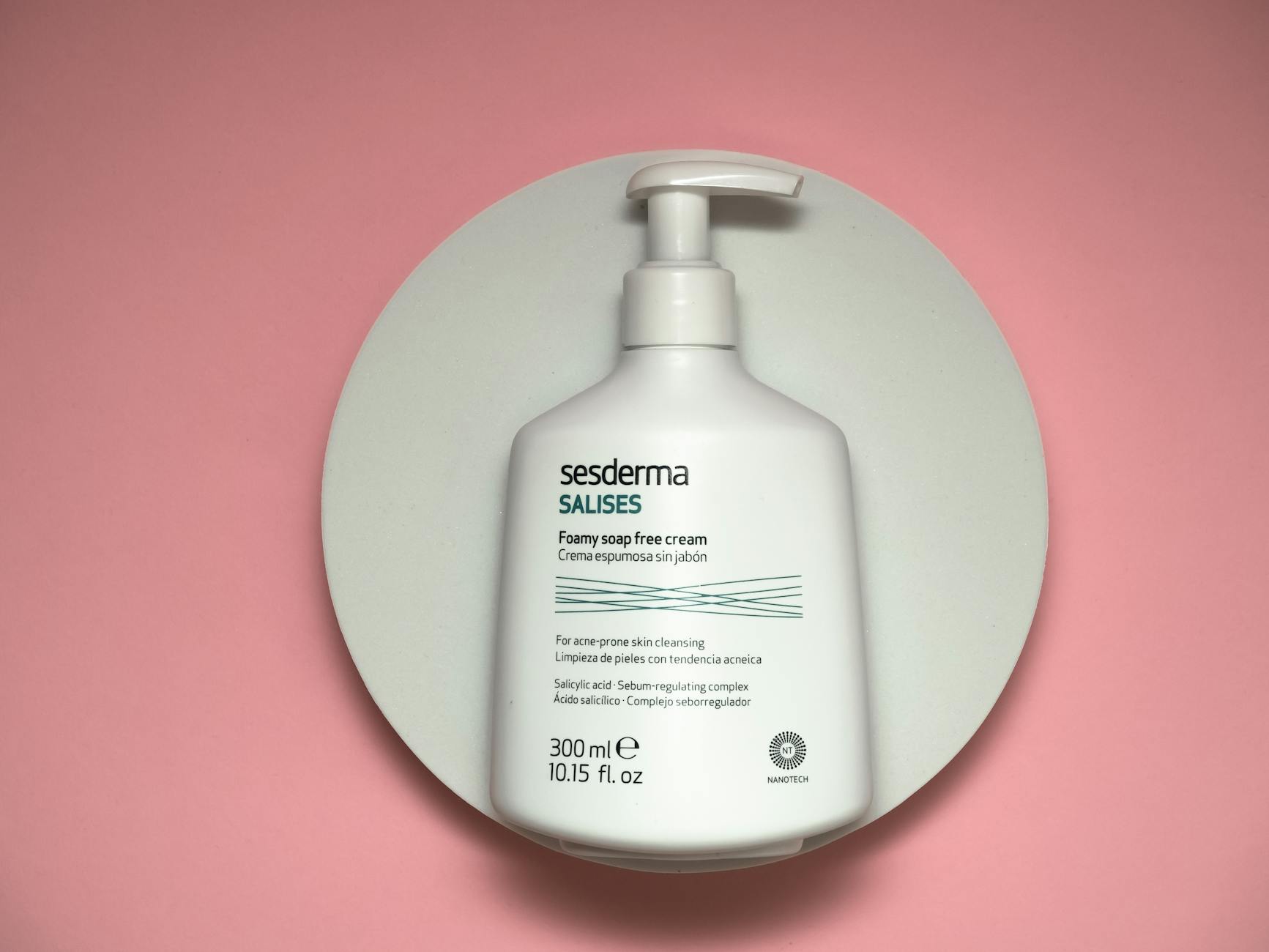
- Cleansers: These are a great entry point for beginners or those with milder acne. Because they’re rinsed off, they offer a gentler approach, removing surface oil and providing light exfoliation. They won’t penetrate as deeply as leave-on products, but they’re effective for preventing new breakouts.
- Leave-On Treatments (Serums, Toners, Gels): These formulations remain on the skin, allowing the salicylic acid to work continuously and penetrate deeper into the pores. They’re typically more potent and effective for moderate to severe acne, blackheads, and textural concerns. They require careful introduction to avoid over-drying.
- Spot Treatments: Designed for targeted application on individual blemishes, these often contain higher concentrations and are meant for occasional, localized use.
Complementary Ingredients: Hydration Heroes
To combat the potential for dryness, look for salicylic acid products that also contain hydrating and soothing ingredients. Ceramides, hyaluronic acid, glycerin, niacinamide, and panthenol (Vitamin B5) are excellent additions. These ingredients help to support the skin’s natural moisture barrier, replenish hydration, and reduce potential irritation, ensuring your skin remains balanced and comfortable. Avoid formulations with harsh alcohols, strong fragrances, or excessive exfoliants (like other AHAs or physical scrubs) when first introducing salicylic acid, as these can exacerbate dryness.
Comparison Table: Top Salicylic Acid Products for Acne
| Product | Key Ingredient | Best For | Price Range (USD) |
|---|---|---|---|
| CeraVe Renewing SA Cleanser | 2% Salicylic Acid, Ceramides, Niacinamide | Gentle daily exfoliation, maintaining skin barrier, body acne | $12–$17 |
| Paula’s Choice 2% BHA Liquid Exfoliant | 2% Salicylic Acid, Green Tea Extract | Blackheads, whiteheads, enlarged pores, overall skin texture improvement | $30–$37 |
| The Ordinary Salicylic Acid 2% Solution | 2% Salicylic Acid | Targeted treatment for congested skin, budget-friendly | $6–$10 |
| La Roche-Posay Effaclar Medicated Gel Cleanser | 2% Salicylic Acid, Lipo-Hydroxy Acid | Oily, acne-prone skin, deep cleansing, micro-exfoliation | $16–$24 |
| EltaMD UV Clear Facial Sunscreen Broad-Spectrum SPF 46 | Zinc Oxide, Niacinamide | Daily sun protection for acne-prone & sensitive skin, post-SA care | $39–$44 |
| Neutrogena Oil-Free Acne Wash Pink Grapefruit Facial Cleanser | 2% Salicylic Acid | Oily, acne-prone skin, refreshing cleanse, everyday use | $8–$13 |
Detailed Reviews: Our Top Picks for Balanced Acne Treatment
Choosing the right salicylic acid product can feel overwhelming, but these carefully selected options balance efficacy with skin health, helping you manage acne without sacrificing hydration.
CeraVe Renewing SA Cleanser
The CeraVe Renewing SA Cleanser is a perennial favorite for good reason, especially for those concerned about over-drying. Formulated with 2% salicylic acid, it offers effective chemical exfoliation to clear pores and smooth skin texture. What truly sets it apart, however, is its inclusion of three essential ceramides, hyaluronic acid, and niacinamide. These ingredients work synergistically to restore and maintain the skin’s natural barrier, attracting moisture and calming inflammation, which is crucial when using an exfoliant. It’s fragrance-free and non-comedogenic, making it suitable for even sensitive, acne-prone skin. Many find it gentle enough for daily use, even on the body for conditions like keratosis pilaris.
Verdict: An excellent choice for gentle, effective daily pore cleansing and barrier support, minimizing the risk of dryness.
Paula’s Choice 2% BHA Liquid Exfoliant
Widely hailed as a cult classic, the Paula’s Choice 2% BHA Liquid Exfoliant is a leave-on treatment that truly delivers. Its 2% salicylic acid concentration is highly effective at penetrating oil-filled pores to dissolve blockages, significantly reducing blackheads, whiteheads, and enlarged pores. The liquid texture absorbs quickly, and it’s formulated without abrasive ingredients, alcohol, or fragrance, making it suitable for various skin types, including sensitive skin. Green tea extract provides antioxidant and soothing benefits, further helping to reduce redness and irritation. This product is best used after cleansing and before moisturizing, allowing the BHA to work its magic overnight or throughout the day. It’s a powerful tool for improving overall skin texture and clarity.
Verdict: The gold standard for persistent blackheads, whiteheads, and textural issues, providing deep pore cleansing with soothing benefits.
The Ordinary Salicylic Acid 2% Solution
For those on a budget who still want potent results, The Ordinary Salicylic Acid 2% Solution is an unbeatable option. This water-based serum contains 2% salicylic acid, making it effective for targeting congested skin, active breakouts, and improving skin texture. Its straightforward formulation focuses on the key active ingredient without unnecessary frills, which keeps the price point accessible. While it doesn’t contain a long list of hydrating ingredients, its simplicity allows you to easily pair it with your favorite moisturizer to counteract potential dryness. It’s an ideal choice for direct application to affected areas or for incorporating into a minimalist routine focused on active treatment. Start using it a few times a week and gradually increase as tolerated.
Verdict: A highly effective, no-nonsense salicylic acid serum for targeted acne treatment at an incredibly affordable price.
La Roche-Posay Effaclar Medicated Gel Cleanser
The La Roche-Posay Effaclar Medicated Gel Cleanser is specifically designed for oily and acne-prone skin types. With 2% salicylic acid, it effectively clears blackheads and whiteheads while deeply purifying pores. What makes this cleanser stand out is the addition of Lipo-Hydroxy Acid (LHA), a derivative of salicylic acid. LHA provides precise, cell-by-cell exfoliation, which is even gentler and more targeted than traditional salicylic acid, helping to smooth skin texture without harshness. It’s known for its ability to reduce excess oil and shine, leaving the skin feeling fresh and clean without that tight, stripped sensation. The gel texture lathers nicely and rinses clean, making it a refreshing step in any acne-fighting routine.
Verdict: An excellent daily cleanser for oily and acne-prone skin, providing deep pore cleansing and gentle micro-exfoliation to control breakouts.
EltaMD UV Clear Facial Sunscreen Broad-Spectrum SPF 46
While not a salicylic acid product itself, the EltaMD UV Clear Facial Sunscreen Broad-Spectrum SPF 46 is an absolutely essential companion to any routine that includes salicylic acid. Salicylic acid can increase your skin’s sensitivity to the sun, making proper sun protection non-negotiable. This particular sunscreen is a favorite among dermatologists for acne-prone and sensitive skin because it’s oil-free, non-comedogenic, and contains 9% zinc oxide for broad-spectrum protection. It also includes niacinamide (Vitamin B3), which helps calm inflammation, reduce redness, and minimize the appearance of pores – all fantastic benefits for acne-prone skin. Its lightweight, silky texture leaves no white cast and layers beautifully under makeup.
Verdict: The indispensable daily sunscreen for anyone using salicylic acid, offering crucial sun protection and soothing benefits without clogging pores.
Neutrogena Oil-Free Acne Wash Pink Grapefruit Facial Cleanser
The Neutrogena Oil-Free Acne Wash Pink Grapefruit Facial Cleanser is a popular and accessible option for fighting acne with salicylic acid. Containing 2% salicylic acid, this cleanser works to clear breakouts and prevent new ones by penetrating pores and dissolving excess oil and impurities. The refreshing pink grapefruit scent (derived from natural grapefruit extract) and invigorating lather make it a pleasant experience for many. While it’s effective for managing oil and breakouts, some sensitive skin types might find the fragrance and stronger cleansing action a bit drying, so it’s best to pair it with a good moisturizer. It’s an excellent choice for those with oily skin who enjoy a thorough, refreshing cleanse and have a robust skin barrier.
Verdict: A refreshing and effective daily cleanser for oily, acne-prone skin, delivering potent salicylic acid treatment in an invigorating formula.
How to Incorporate Salicylic Acid into Your Routine Without Drying Out Your Skin: Expert Tips
Integrating salicylic acid into your skincare routine requires a thoughtful approach, especially if you want to avoid dryness and irritation. Here are 5 expert tips to ensure you get the best results while keeping your skin happy and hydrated:
- Start Low and Go Slow (The Golden Rule): This is the most critical advice. If you’re new to salicylic acid, begin by using a product with a lower concentration (0.5% to 1%) or applying a 2% product just 2-3 times a week. Observe how your skin reacts for a few weeks before gradually increasing frequency. For instance, start with every other day, then every day if your skin tolerates it. Consistency over intensity is key.
- Choose the Right Formulation for Your Skin: If you have sensitive or drier skin but still experience breakouts, a salicylic acid cleanser might be your best bet, as it’s rinsed off and has less contact time. If your skin is oilier and more resilient, or if you have stubborn blackheads, a leave-on serum or toner will provide deeper, more continuous treatment. Cleansers are a great preventative measure, while leave-ons are for more targeted treatment.
- Prioritize Hydration and Barrier Support: Salicylic acid can be exfoliating, so it’s vital to replenish moisture. Always follow your salicylic acid application with a rich, non-comedogenic moisturizer. Look for ingredients like hyaluronic acid, ceramides, glycerin, squalane, or colloidal oatmeal to soothe and strengthen your skin barrier. Applying these immediately after salicylic acid can lock in moisture and prevent transepidermal water loss.
- Layer Smartly and Avoid Over-Exfoliation: Be mindful of other active ingredients in your routine. Avoid using salicylic acid simultaneously with other strong exfoliants like AHAs (glycolic, lactic acid), retinoids, or physical scrubs, especially when you’re first introducing it. Combining too many actives can overwhelm your skin barrier and lead to irritation and extreme dryness. If you use a retinoid, consider using salicylic acid in the morning and retinoid at night, or alternate days. Listen to your skin – if it feels tight, red, or flaky, reduce frequency or pause use.
- Always, Always Use Sunscreen: Salicylic acid, like other exfoliants, can make your skin more susceptible to sun damage. This increased photosensitivity means diligent sun protection is non-negotiable. Apply a broad-spectrum sunscreen with at least SPF 30 every single morning, regardless of the weather. Reapply every two hours if you’re outdoors. This protects your skin from harmful UV rays and prevents hyperpigmentation that can worsen acne scars.
Frequently Asked Questions (FAQ)
1. Can I use salicylic acid every day?
Yes, many people with oily or acne-prone skin can use salicylic acid daily, especially in a cleanser or a low-concentration leave-on product. However, it’s crucial to start slowly and monitor your skin’s reaction, ensuring you don’t experience dryness or irritation. Always pair it with a good moisturizer and daily sunscreen.
2. What percentage of salicylic acid is best for acne?
For over-the-counter acne treatment, a concentration of 0.5% to 2% salicylic acid is generally most effective. Lower percentages (0.5-1%) are great for gentle daily exfoliation, while 2% is excellent for moderate acne, blackheads, and whiteheads. Higher concentrations are usually reserved for targeted spot treatments or professional peels.
3. How long does it take for salicylic acid to work on acne?
You might start to see some improvement in oiliness and surface texture within a few days to a week. For significant reduction in blackheads, whiteheads, and active breakouts, it typically takes 4-6 weeks of consistent use. Patience and consistent application are key to seeing the best results.
4. Can salicylic acid make acne worse before it gets better?
Sometimes, yes, you might experience an initial “purging” period where your acne seems to worsen briefly. This happens as salicylic acid speeds up cell turnover and brings existing blockages to the surface. This phase typically lasts 2-4 weeks and is a sign the product is working to clear out your pores.
5. What should I avoid mixing with salicylic acid?
To prevent irritation and dryness, avoid using salicylic acid at the same time as other strong exfoliants like high-strength AHAs (glycolic acid) or retinoids, especially when first starting. Physical scrubs can also be too harsh when combined with chemical exfoliation. Introduce new active ingredients gradually and consider alternating them on different days or times of day.
Conclusion
Navigating the world of acne treatments can be tricky, but salicylic acid remains one of the most reliable and science-backed ingredients for achieving clearer skin. By understanding its unique oil-soluble properties and following a smart, hydrated approach, you can harness its power to effectively banish breakouts, decongest pores, and improve your skin’s overall texture without the fear of over-drying. Remember to start slow, prioritize rich hydration, protect your skin with daily sunscreen, and listen carefully to what your skin is telling you.
With the right product and a mindful routine, you’ll be well on your way to a balanced, radiant complexion that truly glows from within. Embrace the journey to clearer skin with confidence, knowing you’re making informed, science-backed choices. Explore our recommended products and find your perfect match for a blemish-free future. You can find a wide range of effective salicylic acid treatments and complementary hydrating products on Amazon.
Where to Buy

💬 Join the Conversation
Have thoughts on this article? We'd love to hear from you.