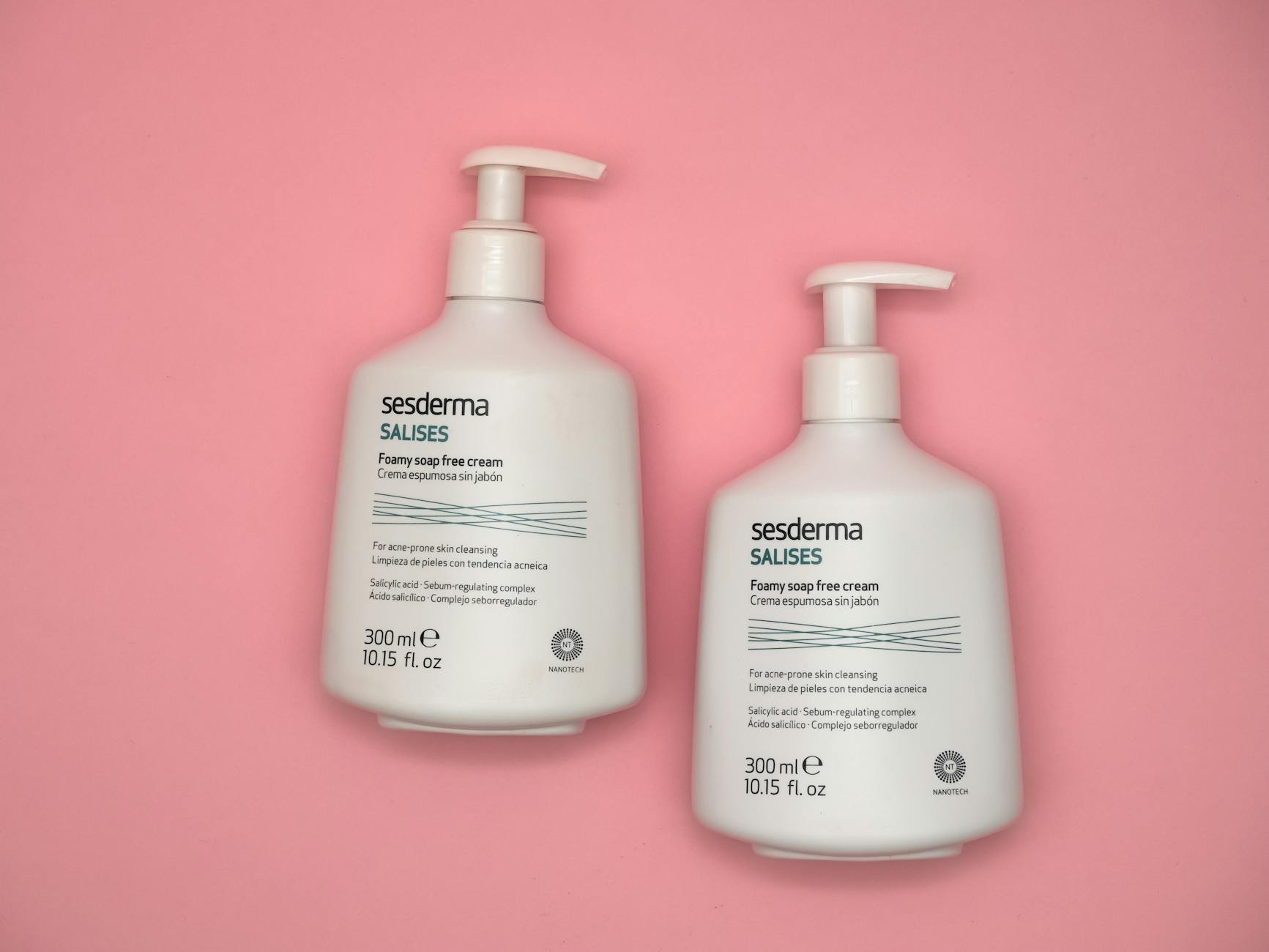
What is a good skincare routine for acne-prone skin?
- Morning Routine: Start with a gentle cleanser, apply a targeted serum (like niacinamide or a BHA), moisturize with a non-comedogenic formula, and finish with a broad-spectrum SPF 30+.
- Evening Routine: Double cleanse to remove makeup and impurities, apply a powerful treatment (like adapalene, benzoyl peroxide, or salicylic acid), and follow with a hydrating, barrier-supporting moisturizer.
- Key Principles: Consistency, patience, and avoiding harsh, stripping products are crucial for managing acne and maintaining a healthy skin barrier.
Honestly, navigating a skincare routine for acne-prone skin can feel like you’re constantly fighting a losing battle. Believe me, I get it. I’ve personally tested countless products and spent years digging deep into the science of breakouts. That frustration with stubborn blemishes, painful cysts, and persistent redness? I’ve felt it. It’s not just about what you put on your skin; it’s about why it works and how it all fits together. My experience, both in the clinic with clients and with my own skin, has shown me that a thoughtful, evidence-based approach is truly the clearest path to calmer skin.
I’ve crafted this guide especially for you, my fellow skincare enthusiasts who want real, science-backed results. We’re going to explore the AM and PM steps that actually make a difference. We’ll break down the ingredients, discuss the science, and I’ll share specific products I trust. Forget the fleeting fads. We’re focusing on honest, knowledgeable advice that’ll help you build a routine you can genuinely rely on. Let’s start this journey to healthier, more radiant skin, armed with the know-how to tackle acne head-on.
What to Look For: Key Ingredients and Formulation Science for Acne-Prone Skin
When I’m helping a client build an effective skincare routine for their acne-prone skin, understanding the science behind the ingredients is everything. It’s not about piling on every “acne-fighting” product you see. No, it’s about choosing formulas that hit the root causes of breakouts without messing with your skin’s delicate barrier. Here’s what I always tell them to prioritize and why:
Targeting the Causes of Acne: Key Ingredients
Acne, at its core, usually comes down to four things: too much oil, clogged pores, bacteria (P. acnes, specifically), and inflammation. The best ingredients? They tackle one or more of these issues head-on.
- Salicylic Acid (BHA - Beta Hydroxy Acid):
- How it works: Salicylic acid is oil-soluble. That means it can sneak right past your skin’s oil and dive deep into your pores. Once inside, it exfoliates the pore lining, dissolving all that gunk – dead skin cells and oil – that causes blackheads and whiteheads. It’s also got some anti-inflammatory perks.
- Concentrations: You’ll typically find it at 0.5% to 2% in cleansers, toners, and serums.
- Best for: Blackheads, whiteheads, mild inflammatory acne, and just generally making your pores look better.
- Benzoyl Peroxide (BP):
- How it works: BP is a powerhouse antibacterial. It releases oxygen right into the pore, creating an environment where P. acnes bacteria just can’t survive. It also gives you a mild exfoliating kick, helping those dead skin cells shed.
- Concentrations: OTC, you’ll see 2.5% to 10% formulas. Always start low to avoid irritation.
- Best for: Inflammatory acne (think papules, pustules, cysts) and keeping new breakouts from popping up.
- Retinoids (Retinol, Adapalene):
- How it works: Retinoids are Vitamin A derivatives. They speed up your skin’s cell turnover, stopping dead skin cells from clumping together and clogging pores. Plus, they’re great at calming inflammation and can even help fade those annoying post-acne dark spots (PIH). Adapalene is a retinoid specifically for acne and often plays nicer with sensitive skin than other retinoids.
- Concentrations: Retinol usually goes from 0.1% to 1%. Adapalene is often 0.1% OTC.
- Best for: Stopping new breakouts, treating existing acne, smoothing skin texture, and fading acne marks. Start slow – I’m talking 2-3 times a week – to build up tolerance.
- Niacinamide (Vitamin B3):
- How it works: Oh, niacinamide! It’s such a multi-tasker. It dials down inflammation, helps control oil production, strengthens your skin barrier, and can really improve the look of enlarged pores and redness.
- Concentrations: Effective at 2% to 10%.
- Best for: Reducing redness, cutting down on oiliness, boosting skin barrier function, and fading post-inflammatory hyperpigmentation.
- Azelaic Acid:
- How it works: This dicarboxylic acid is antibacterial, anti-inflammatory, and a mild exfoliator. I’ve found it super effective for redness and post-inflammatory hyperpigmentation.
- Concentrations: You’ll find it OTC at 10% and prescription strengths up to 20%.
- Best for: Inflammatory acne, rosacea, and fading dark spots. It’s often really well-tolerated, even by sensitive skin.
Crucial Formulation Considerations:
- Non-Comedogenic: This isn’t optional. It’s non-negotiable. Always look for products that say “non-comedogenic” or “non-acnegenic.” It means they’re formulated not to clog your pores.
- Gentle & pH-Balanced: Harsh cleansers and high-pH toners? They’ll strip your skin, mess up its natural barrier, and can actually make your acne worse. Always pick gentle, low-pH (around 5.5) formulas. My skin definitely thanks me for this.
- Fragrance-Free: Fragrance, whether it’s synthetic or natural, can be irritating. It often triggers breakouts or sensitivity, especially for acne-prone skin. Always go fragrance-free.
- Hydrating & Barrier-Supporting: Even if your skin is oily and acne-prone, it needs hydration. Ingredients like hyaluronic acid, ceramides, glycerin, and squalane help keep your skin barrier healthy. That’s key for healing and preventing irritation from active treatments.
- Sun Protection: Many acne treatments make your skin more sun-sensitive. A broad-spectrum sunscreen with SPF 30 or higher is an absolute must, every single morning. If you’re super sensitive or break out from chemical filters, try mineral-based options (zinc oxide, titanium dioxide).
By really understanding these ingredients and how products are put together, you’re making smart choices that truly support your skin’s health. That leads to lasting clarity.
Product Comparison Table
| Product | Key Ingredient | Best For | Price Range |
|---|---|---|---|
| CeraVe Renewing SA Cleanser | Salicylic Acid, Ceramides | Gentle exfoliation, daily cleansing, maintaining skin barrier | $10-$15 |
| Paula’s Choice 2% BHA Liquid Exfoliant | Salicylic Acid | Unclogging pores, blackheads, whiteheads, improving skin texture | $30-$35 |
| PanOxyl Acne Foaming Wash 10% Benzoyl Peroxide | Benzoyl Peroxide | Killing acne-causing bacteria, treating inflammatory acne | $10-$15 |
| The Ordinary Niacinamide 10% + Zinc 1% | Niacinamide, Zinc PCA | Reducing oiliness, minimizing pores, redness, and inflammation | $5-$10 |
| La Roche-Posay Toleriane Double Repair Face Moisturizer | Niacinamide, Ceramides, Prebiotics | Hydration, skin barrier repair, soothing irritated skin | $20-$25 |
| EltaMD UV Clear Broad-Spectrum SPF 46 | Zinc Oxide, Niacinamide | Sun protection, soothing, non-comedogenic, ideal for sensitive/acne-prone | $35-$40 |
Detailed Product Reviews
Finding a cleanser that actually treats acne without totally stripping your skin? It’s tough. But the CeraVe Renewing SA Cleanser consistently earns its top spot. This gentle, non-foaming cleanser contains salicylic acid (0.5%), a BHA that expertly exfoliates. It helps smooth skin texture and clear out pores. It’s an amazing first step for any acne-prone routine. What truly makes it shine for me, though, is the inclusion of three essential ceramides (1, 3, 6-II) and hyaluronic acid. These work together to restore and maintain your skin’s natural barrier. So while you’re tackling breakouts, you’re also hydrating and protecting your skin. Many acne cleansers leave skin feeling tight and dry, but CeraVe’s MVE Delivery Technology gives you controlled release of those moisturizing ingredients. My only gripe? I wish the SA concentration was just a tiny bit higher for those really stubborn clogs, but it’s still fantastic for daily use. It’s fragrance-free, non-comedogenic, and even sensitive skin types can use it daily.
Verdict: An outstanding choice for a daily cleanser that gently exfoliates, cleanses, and helps maintain a healthy skin barrier. It’s crucial for managing acne without irritation.
When it comes to specific treatments for clogged pores, blackheads, and uneven texture, the Paula’s Choice 2% BHA Liquid Exfoliant is a cult favorite for a reason. This leave-on exfoliant delivers a potent 2% concentration of salicylic acid. It’s incredibly effective at getting into the oil within your pores, dissolving debris, and stopping breakouts. Unlike those harsh physical scrubs, this chemical exfoliant works without friction. That means less irritation and fewer micro-tears that can actually make acne worse. Its liquid texture sinks in fast, leaving my skin feeling smooth and looking clearer over time. Regular use can really cut down on blackheads and whiteheads, reduce redness, and refine the look of enlarged pores. It also has green tea extract, an antioxidant for soothing benefits. This product is a cornerstone for anyone wanting clearer skin; it tackles clogged pores – a primary cause of acne – with scientific precision.
Verdict: The gold standard for chemical exfoliation. It’s highly effective at clearing blackheads, whiteheads, and refining skin texture for a smoother, clearer complexion.
For my clients battling inflammatory acne – you know, those red, painful papules and pustules – PanOxyl Acne Foaming Wash 10% Benzoyl Peroxide is a total powerhouse. It’s got the highest OTC concentration of 10% benzoyl peroxide. This wash directly targets and wipes out P. acnes bacteria, which is the main bacterial culprit behind inflammatory acne. Benzoyl peroxide also offers a mild exfoliating effect, helping to shed dead skin cells and prevent new clogs. It’s potent, yes, but its foaming texture allows for a really thorough cleanse. You can even use it on your body, which is fantastic for bacne and chest acne. Fair warning: you have to start slow with this product. Maybe every other day, or as a short-contact therapy (just leave it on for a minute or two before rinsing). This builds tolerance because higher BP concentrations can cause dryness or irritation. Always follow up with a good moisturizer.
Verdict: An extremely effective and affordable treatment for moderate to severe inflammatory acne. It directly targets bacteria and helps prevent future breakouts.
Sometimes, acne-prone skin needs more than just direct treatment. It needs support for overall skin health. The Ordinary Niacinamide 10% + Zinc 1% is an incredibly popular and effective serum that tackles so many common concerns for those of us with acne. With a robust 10% concentration of niacinamide (Vitamin B3), it genuinely helps reduce congestion and balance visible sebum activity. That means less oiliness and minimized pore appearance. The added 1% Zinc PCA really boosts niacinamide’s effects by further regulating sebum and offering anti-inflammatory benefits. This lightweight serum is excellent for calming redness, improving skin barrier function, and reducing breakout severity without drying you out or causing irritation. It’s a fantastic addition for managing oily skin, post-inflammatory hyperpigmentation, and just overall skin resilience. My only small wish is for a slightly more elegant texture, but for the price, it’s unbeatable.
Verdict: A versatile and effective serum for reducing oiliness, minimizing pores, calming inflammation, and supporting a healthy skin barrier in acne-prone skin.
Even oily and acne-prone skin needs proper hydration. Honestly, often it’s a lack of moisture that makes breakouts worse or causes irritation from active treatments. The La Roche-Posay Toleriane Double Repair Face Moisturizer is specifically formulated to hydrate deeply and repair your skin barrier without clogging pores. It’s got a blend of niacinamide, ceramides, and prebiotic thermal water. These work together to soothe, restore, and protect your skin. The ceramides help rebuild your skin’s natural lipid barrier, preventing moisture loss and defending against environmental damage. Niacinamide helps reduce inflammation and redness, while the prebiotic thermal water helps balance your skin’s microbiome. This formula is non-comedogenic, oil-free, and fragrance-free. It’s gentle enough for even the most sensitive skin.
Verdict: An essential, non-comedogenic moisturizer that deeply hydrates, repairs the skin barrier, and soothes irritation, making it perfect for sensitive and acne-prone skin undergoing active treatment.
Sun protection isn’t just negotiable for acne-prone skin. It’s absolutely crucial. Not only does it prevent sun damage, but it also stops post-inflammatory hyperpigmentation (PIH) from darkening and sticking around forever. The EltaMD UV Clear Broad-Spectrum SPF 46 is a top recommendation from dermatologists for good reason. Its unique formula caters specifically to sensitive, acne-prone, and rosacea-prone skin. It uses zinc oxide (9%) as its main active ingredient. That means gentle, broad-spectrum physical sun protection that’s less likely to irritate. But what truly makes it amazing for acne-prone skin is the 5% niacinamide it includes. That helps calm inflammation, reduce redness, and minimize oiliness. It’s incredibly lightweight, oil-free, non-comedogenic, and leaves absolutely no white cast. Honestly, it’s a joy to apply daily. This sunscreen doesn’t just protect you from UV rays; it actively works to improve your skin’s health and appearance. Genuinely, this changed my morning routine.
Verdict: The ultimate daily sunscreen for acne-prone skin. It offers robust sun protection with soothing, anti-inflammatory benefits in a lightweight, non-comedogenic formula.
How to Build a Skincare Routine for Acne-Prone Skin: Expert Tips
Crafting an effective skincare routine for acne-prone skin is a delicate dance between treatment and TLC. As an esthetician, I’ve seen firsthand how a well-structured routine, paired with a few key tips, can totally transform someone’s complexion. Here’s how I guide my clients to build their AM and PM regimens:
1. Gentle Cleansing is Your Foundation (AM & PM)
So many people with acne-prone skin think they need to scrub hard or use harsh, foamy cleansers. But here’s the thing — that usually backfires. Over-cleansing strips your skin of its natural oils, which messes with your skin barrier and can actually lead to more oil production and irritation.
- Morning: A simple, gentle, pH-balanced cleanser is truly all you need. Use lukewarm water and your fingertips. This just removes any sweat or excess oil from overnight without stripping anything away.
- Evening: If you wear makeup or heavy sunscreen (and you should be!), I always recommend a double cleanse. Start with an oil-based cleanser or micellar water to dissolve makeup and sunscreen. Then, follow up with your gentle, water-based cleanser (like that CeraVe SA Cleanser). This makes sure all impurities are gone, letting your treatments penetrate effectively.
2. Strategically Apply Targeted Treatments (AM & PM)
This is where the real magic happens, but timing and layering are super important to avoid irritation.
- Morning:
- Antioxidant Serum (Optional but Recommended): A Vitamin C serum can help protect against environmental damage and fade dark spots. I think it’s worth it.
- Niacinamide Serum: If you’re using a niacinamide serum (like The Ordinary’s), apply it after cleansing and before moisturizer. It’s great for oil control and redness.
- Salicylic Acid (BHA): If you’re using a BHA toner or serum (Paula’s Choice is a fave), apply it after cleansing or after your niacinamide. BHAs are fantastic for keeping pores clear during the day.
- Evening:
- Retinoid (Adapalene/Retinol): Apply your retinoid (e.g., Differin Gel or a retinol serum) to dry skin right after cleansing. Start just 2-3 times a week and slowly increase frequency as your skin allows. Retinoids are best at night because they make your skin more sun-sensitive.
- Benzoyl Peroxide: If you’re using a Benzoyl Peroxide product (like the PanOxyl wash), use it as your cleanser or as a short-contact treatment. If it’s a leave-on BP cream, apply it after your retinoid or on alternating nights to keep irritation minimal. Don’t apply a leave-on BP and a retinoid at the same time; they can deactivate each other or cause excessive dryness. Consider using BP in the morning and a retinoid at night, or just alternate nights.
- Azelaic Acid: This one’s versatile. You can use it once or twice daily. If you’re using it with a retinoid, apply the retinoid first, let it absorb, then apply azelaic acid.
3. Hydration is Non-Negotiable (AM & PM)
Even oily skin needs moisture. Dehydrated skin can actually pump out more oil to compensate. That’s a vicious cycle! Plus, acne treatments can be drying. A good moisturizer is essential for maintaining your skin barrier.
- Morning & Evening: Pick a lightweight, non-comedogenic, fragrance-free moisturizer (La Roche-Posay Toleriane Double Repair is a go-to for me). Apply it after your serums and treatments have had a moment to absorb. This locks in moisture and helps soothe any potential irritation from your active ingredients. Look for ingredients like hyaluronic acid, ceramides, and glycerin.
4. Prioritize Sun Protection Every Single Morning (AM)
This step is absolutely critical, especially when you’re using active ingredients like retinoids, BHAs, or benzoyl peroxide. These make your skin way more sensitive to the sun. Sun exposure can also make post-inflammatory hyperpigmentation worse.
- Morning: Apply a broad-spectrum sunscreen with at least SPF 30 as the very last step in your morning routine. Look for formulas specifically made for acne-prone skin, usually labeled “non-comedogenic” and “oil-free” (EltaMD UV Clear SPF 46 is a dream). Reapply every two hours if you’re outdoors or sweating.
5. Practice Patience and Consistency
Skincare? It’s a marathon, never a sprint. Acne treatments take time to work. You’re often looking at 6-12 weeks before you see truly significant improvement.
- Be Consistent: Stick to your routine daily, even when you don’t feel like it. It’s worth it.
- Don’t Overdo It: Introducing too many new products at once or using too much of an active ingredient is a recipe for irritation, redness, and a messed-up skin barrier. That can actually make acne worse. Introduce one new active at a time. Patch test if you have sensitive skin.
- Listen to Your Skin: If your skin feels overly dry, tight, red, or irritated, pull back on your active treatments. Reduce frequency or concentration. Focus on gentle hydration and barrier repair for a few days. Your skin will thank you.
By following these expert tips, you’re doing more than just treating breakouts. You’re creating a healthier, more resilient skin environment that’s much better equipped to manage and prevent acne long-term.
FAQ
Can I use salicylic acid and benzoyl peroxide together in my skincare routine for acne prone skin?
You can, but I’d proceed with caution! Both are strong acne fighters. Using salicylic acid and benzoyl peroxide at the exact same time can be really drying and irritating for many skin types. I usually suggest using them on alternate mornings and evenings. Or, maybe one in the morning and the other at night. Just listen to your skin. If you get too dry or red, dial back the frequency.
How long does it take for an acne routine to show results?
Patience is truly your best friend when starting a new acne routine. It typically takes at least 6-12 weeks of consistent use to see significant changes in your skin. Your skin needs time to adjust to new ingredients, and your cell turnover cycle takes about a month. So, visible improvements just won’t happen overnight.
Should I pop my pimples, even if I’ve acne-prone skin?
As tempting as it might be – and trust me, I know that urge – it’s generally best to resist popping pimples. Doing so can push bacteria deeper into your skin, which leads to more inflammation, infection, scarring, and those stubborn dark spots (post-inflammatory hyperpigmentation). Focus on your consistent routine and targeted spot treatments instead.
Is moisturizing important for acne-prone skin? I thought it would make my skin oilier.
Yes, moisturizing is incredibly important for acne-prone skin! This is a common misconception. Dehydrated skin can actually produce more oil to try and compensate, which potentially worsens breakouts. Plus, many acne treatments can be quite drying. A good non-comedogenic moisturizer helps maintain a healthy skin barrier, reduces irritation, and promotes healing without clogging your pores. It’s a must-have.
What causes adult acne, and is it different from teenage acne?
Adult acne often shares similar root causes with teenage acne – excess oil, clogged pores, bacteria, inflammation. However, it can also be heavily influenced by hormonal fluctuations, stress, diet, and even certain medications. It frequently pops up around the jawline, chin, and neck, and you might see more painful cystic breakouts rather than just blackheads or whiteheads.
Conclusion
Starting a new skincare routine for acne-prone skin? Think of it as a journey of discovery and consistency. My goal for you isn’t just to clear up existing breakouts. No, it’s about helping you build a healthy, resilient skin barrier that can prevent future blemishes. By embracing science-backed ingredients like salicylic acid, benzoyl peroxide, niacinamide, and retinoids, and pairing them with gentle, hydrating formulas, you’re genuinely giving your skin the best possible chance to thrive.
The real power here is understanding why these ingredients work and thoughtfully adding them into your daily AM and PM regimen. Be patient with your skin, really listen to what it’s telling you, and commit to consistent care. With the right approach, clearer, calmer, and more confident skin is absolutely within your reach. Keep exploring, find what truly nourishes your unique complexion, and remember that maintaining a balanced skin barrier is always your best defense.
Shop top-rated acne skincare products on Amazon!
Where to Buy

💬 Join the Conversation
Have thoughts on this article? We'd love to hear from you.