When you purchase through links on our site, we may earn an affiliate commission. How it works.
Quick Answer
- Comedogenic ingredients block pores. Think blackheads, whiteheads, acne.
- Common culprits? Certain natural oils, isopropyl myristate, lanolins. But sensitivity varies.
- For oily skin: Look for “non-comedogenic” and check ingredient lists. It’s key to preventing breakouts.
Introduction
Finding the right moisturizer can feel like a quest. Especially when you’re navigating moisturizer ingredients that clog pores. Many aim for intense hydration. But some use emollients and occlusives that are great for dry skin, yet a disaster for breakout-prone skin. A common mistake? Assuming all moisturizers work for everyone. You overlook how ingredients impact pore health. For oily or acne-prone skin, knowing pore-clogging ingredients isn’t just helpful—it’s essential. You need a clear, healthy complexion.
We’re here to demystify “comedogenicity.” We’ll give you the knowledge to make smart choices. We’ll explore what makes an ingredient a pore-clogger. We’ll look at the infamous comedogenic list. And we’ll highlight good alternatives. Our goal is simple: empower you. Choose moisturizers that nourish your skin barrier. Don’t contribute to blemishes. By focusing on solid recommendations, we can help you find formulations that truly support your skin. Get ready for a clearer, more balanced look.
What to Look For / Key Ingredients
Related reading: Hyaluronic Acid Skincare Guide: How to Use It, Layer It, and Pick the Right Formula
Choosing a moisturizer, especially for oily or acne-prone skin, means understanding ingredient science. It’s not just about avoiding some things. It’s also about finding beneficial ingredients that support skin health without causing congestion.
What Exactly Does “Comedogenic” Mean?
Comedogenic means an ingredient tends to block pores. This forms comedones—blackheads and whiteheads. When pores get clogged with sebum, dead skin cells, and bacteria, acne happens. This is usually tested in labs or on animals. But remember, individual skin reacts differently. What clogs one person’s pores might not affect another’s. The concentration in a product also matters. A “non-comedogenic” label suggests a lower risk of pore clogging.
Why Do Some Ingredients Clog Pores More Than Others?
Related reading: Retinol for Beginners: The Complete Guide to Starting Safely
Ingredients clog pores by forming a barrier. This traps sebum and dead skin cells. It’s great for preventing moisture loss in dry skin. But for oily skin, it can cause buildup.
- Occlusive Agents: These create a film to stop water evaporation. Essential for barrier repair. But heavy occlusives can be too much for oily skin. They can build up in pores. Petrolatum and mineral oil are examples. They often get a bad rap. But in their pure form, they’re usually non-comedogenic. They can become an issue when mixed with other ingredients. Or if you don’t cleanse well.
- Emollients: These soften and smooth skin. Some emollients, especially heavier oils and fatty acids, can be comedogenic. It’s due to their structure and how they mix with skin sebum.
- Binding Agents and Thickeners: Some ingredients give products texture. They can also contribute to pore blockage.
Real talk: it’s not always about an ingredient being “bad.” It’s about how it works on your skin. And at what concentration and combination.
The Comedogenic Scale: Understanding the Numbers
The comedogenic scale ranks ingredients (0-5) by how likely they’re to clog pores.
- 0: Won’t clog pores.
- 1: Very low likelihood.
- 2: Moderately low likelihood.
- 3: Moderate likelihood.
- 4: Fairly high likelihood.
- 5: High likelihood of clogging.
Look, this scale is a reference. Don’t treat it as gospel. Ratings often come from rabbit ear tests or concentrated ingredients on human skin. These might not reflect how a diluted ingredient acts in a complex formula on your face. Many factors matter. How often you cleanse, your oil production, the product’s overall formulation. They all influence breakouts. So, use the scale as a guide. Not a hard rule.
Common Comedogenic Ingredients to Be Aware Of
Want to know which moisturizer ingredients clog pores? Here are the usual suspects. Remember, context and concentration are key. But these are good to know about, especially for oily skin:
- Coconut Oil (Cocos Nucifera Oil): Rated 4. Popular, but highly comedogenic for many.
- Algae Extract & Seaweed: Nutrient-rich. Some forms are rated 4-5.
- Lanolin & derivatives: (e.g., Acetylated Lanolin, Lanolin Acid, Isopropyl Lanolate) Often rated 3-4.
- Isopropyl Myristate: Synthetic emollient. Commonly rated 3-5.
- Isostearyl Isostearate: Another synthetic ester. Often rated 4.
- Stearic Acid: Fatty acid. Often rated 2-3. Can be higher in some forms.
- Myristyl Myristate: Emollient. Often rated 5.
- Oleth-3: Emulsifier. Often rated 5.
- Lauric Acid: In coconut oil. Rated 4.
- Wheat Germ Oil: Rated 5.
- Soybean Oil: Can be rated 3.
- Red Algae: Can be rated 5.
- Cocoa Butter: Rated 4.
- Flax Seed Oil (Linum Usitatissimum Seed Oil): Can be rated 4.
This isn’t every single ingredient. But it covers common concerns for acne-prone skin. Always read the full list if a product causes issues.
Beneficial Non-Comedogenic Ingredients for Oily Skin
Conversely, many ingredients are known to be non-comedogenic. They’re great for oily and acne-prone skin. Look for these in your moisturizers:
- Hyaluronic Acid: Amazing humectant. Pulls moisture in. No added oil. Lightweight and hydrating.
- Glycerin: Another excellent humectant. Like hyaluronic acid. Provides hydration.
- Niacinamide (Vitamin B3): Regulates oil. Reduces inflammation. Minimizes pores. Improves barrier function.
- Ceramides: Essential lipids. Restore and strengthen the skin barrier. Crucial for healthy skin.
- Salicylic Acid (BHA): Penetrates oil. Exfoliates inside the pore. Helps prevent blockages. Best as a leave-on treatment, not a primary moisturizer.
- Green Tea Extract: Antioxidant. Anti-inflammatory. Often in lightweight formulas.
- Aloe Vera: Soothing. Hydrating. Generally well-tolerated.
- Squalane: Stable, non-comedogenic oil. Mimics skin sebum. Lightweight hydration.
- Dimethicone: Silicone-based. Smooth feel. Lightweight occlusive. Not comedogenic.
- Urea: Humectant. Mild exfoliant. Softens and hydrates skin.
Moisturizers with a mix of these can hydrate. They balance oil. They support a healthy skin barrier. All without causing breakouts.
Comparison Table
| Product | Key Hydrating/Active Ingredient | Best For | Price Range |
|---|---|---|---|
| CeraVe PM Facial Moisturizing Lotion | Niacinamide, Ceramides | Oily, normal, sensitive, acne-prone skin | $14–$18 |
| La Roche-Posay Toleriane Double Repair Face Moisturizer | Niacinamide, Ceramides, Glycerin | Sensitive, normal to oily, compromised barrier | $20–$25 |
| Neutrogena Hydro Boost Water Gel | Hyaluronic Acid | Oily, combination, dehydrated skin | $17–$21 |
| Paula’s Choice RESIST Barrier Repair Moisturizer with Retinol | Retinol, Peptides, Ceramides | Oily, mature, acne-prone, anti-aging | $35–$40 |
| Vanicream Moisturizing Cream | Petrolatum, Ceramides | Sensitive, very dry, eczema-prone skin | $13–$17 |
Detailed Reviews
CeraVe PM Facial Moisturizing Lotion
This lightweight, oil-free moisturizer is a favorite for good reason. Especially for those worried about moisturizer ingredients that clog pores. It’s formulated with three essential ceramides, niacinamide, and hyaluronic acid. It restores and maintains your skin’s natural barrier. It also provides soothing hydration. Niacinamide is particularly good for oily and acne-prone skin. It calms inflammation, reduces redness, and regulates sebum production. All without feeling heavy. Its non-comedogenic and fragrance-free formula works for sensitive skin too. The PM designation means it’s designed for overnight repair. We appreciate its gentle yet effective approach to hydration. It’s a staple for a balanced evening routine.
Verdict: An excellent, barrier-supporting choice for oily, normal, or sensitive skin needing non-comedogenic evening hydration. CeraVe PM Facial Moisturizing Lotion
La Roche-Posay Toleriane Double Repair Face Moisturizer
La Roche-Posay’s Toleriane Double Repair Face Moisturizer is built with prebiotic action. It restores the skin barrier. Great for sensitive or compromised skin that’s also mindful of comedogenic ingredients. It has a blend of ceramides, niacinamide, and glycerin. This provides intense hydration and helps repair your skin’s protective layer. The La Roche-Posay Prebiotic Thermal Water also soothes and supports a healthy skin microbiome. Its oil-free and non-comedogenic formula won’t cause breakouts. The lightweight texture absorbs quickly. Skin feels comfortable and hydrated, not greasy. This moisturizer is perfect for normal to oily skin types needing strong barrier support.
Verdict: A highly effective, non-comedogenic moisturizer for sensitive, normal to oily skin. Focuses on repairing and strengthening the skin barrier. La Roche-Posay Toleriane Double Repair Face Moisturizer
Neutrogena Hydro Boost Water Gel
The Neutrogena Hydro Boost Water Gel has earned its cult status. Its texture is unique and refreshing. It delivers potent hydration. Its star ingredient is hyaluronic acid. This powerful humectant attracts and locks in moisture. It provides intense hydration without heavy oils. The gel-cream formula feels incredibly light. It absorbs almost instantly. Skin feels smooth and supple. It’s ideal for oily, combination, or dehydrated skin. These types usually avoid traditional creams. They worry about feeling heavy or causing clogged pores. It’s oil-free, dye-free, and non-comedogenic. It’s made to hydrate effectively without congestion or irritation. We love its ability to deliver a burst of moisture. Skin looks plump and healthy.
Verdict: A refreshing, lightweight, and highly effective hyaluronic acid-based gel moisturizer. Perfect for oily and dehydrated skin types. Neutrogena Hydro Boost Water Gel
Paula’s Choice RESIST Barrier Repair Moisturizer with Retinol
Paula’s Choice RESIST Barrier Repair Moisturizer with Retinol offers multiple benefits. It combines hydration with anti-aging and skin-strengthening. This lotion has a gentle retinol concentration. It improves skin texture, reduces fine lines, and targets breakouts. Plus, peptides and ceramides support your skin’s barrier function. Its carefully balanced formula means it delivers potent actives. Yet, it’s suitable for those worried about moisturizer ingredients that clog pores. The texture is lightweight. It absorbs well. Good for oily, combination, or mature skin. It won’t feel heavy or cause congestion. Its non-comedogenic status is well-deserved. It offers effective results without compromising pore health. The price point is higher, but the multi-benefit approach justifies it for many.
Verdict: A versatile, non-comedogenic moisturizer. Combines anti-aging retinol with barrier repair. Ideal for oily, mature, and acne-prone skin. Paula’s Choice RESIST Barrier Repair Moisturizer with Retinol
Vanicream Moisturizing Cream
Vanicream Moisturizing Cream is known for its simple, gentle formula. It’s a great choice for extremely sensitive, eczema-prone, or very dry skin. It’s even a contender for those seeking non-comedogenic options for barrier support. It contains petrolatum, a strong occlusive. But petrolatum itself is largely non-comedogenic. This cream is free of common irritants. Think dyes, fragrance, parabens, formaldehyde. This lowers the risk of sensitivity. It provides intense, long-lasting hydration. It helps restore and maintain your skin’s natural moisture barrier. For those with oily skin experiencing dryness from acne treatments, or needing robust barrier repair without fragrance or other triggers, Vanicream offers reliable, non-comedogenic relief.
Verdict: A highly effective, minimalist, non-comedogenic cream for extremely sensitive, dry, or compromised skin. Including oily skin needing gentle barrier repair. Vanicream Moisturizing Cream
How to Build a Routine / Expert Tips
Building an effective skincare routine, especially when avoiding moisturizer ingredients that clog pores, takes more than just picking the right product. It’s about understanding how products interact. And best practices for application.
- Prioritize Gentle Cleansing: Before any moisturizer, cleanse thoroughly but gently. A mild, pH-balanced cleanser removes surface impurities, excess oil, and makeup. It won’t strip your skin. This creates a clean canvas. Your non-comedogenic moisturizer can penetrate effectively. It also reduces trapping debris in pores.
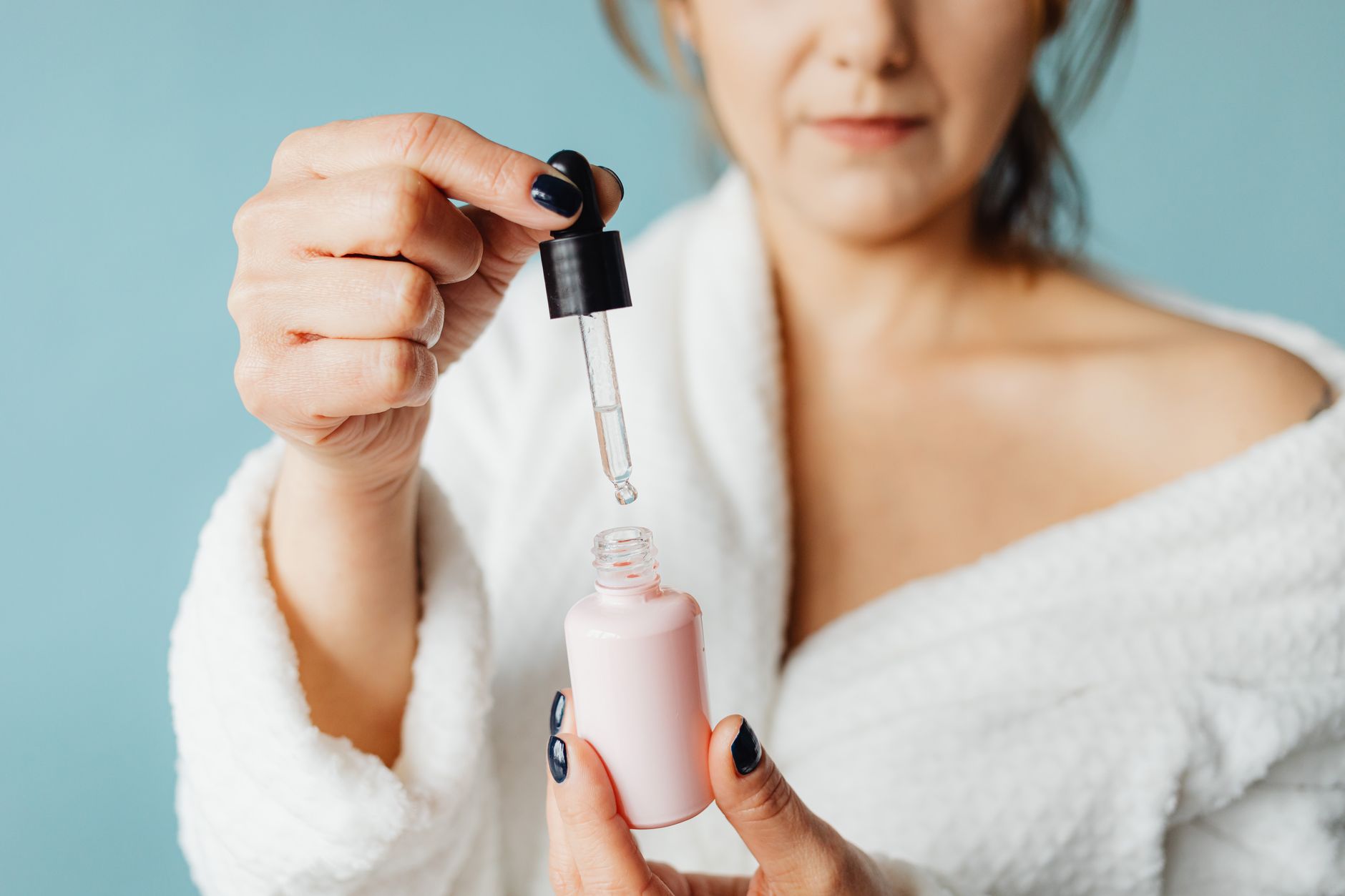
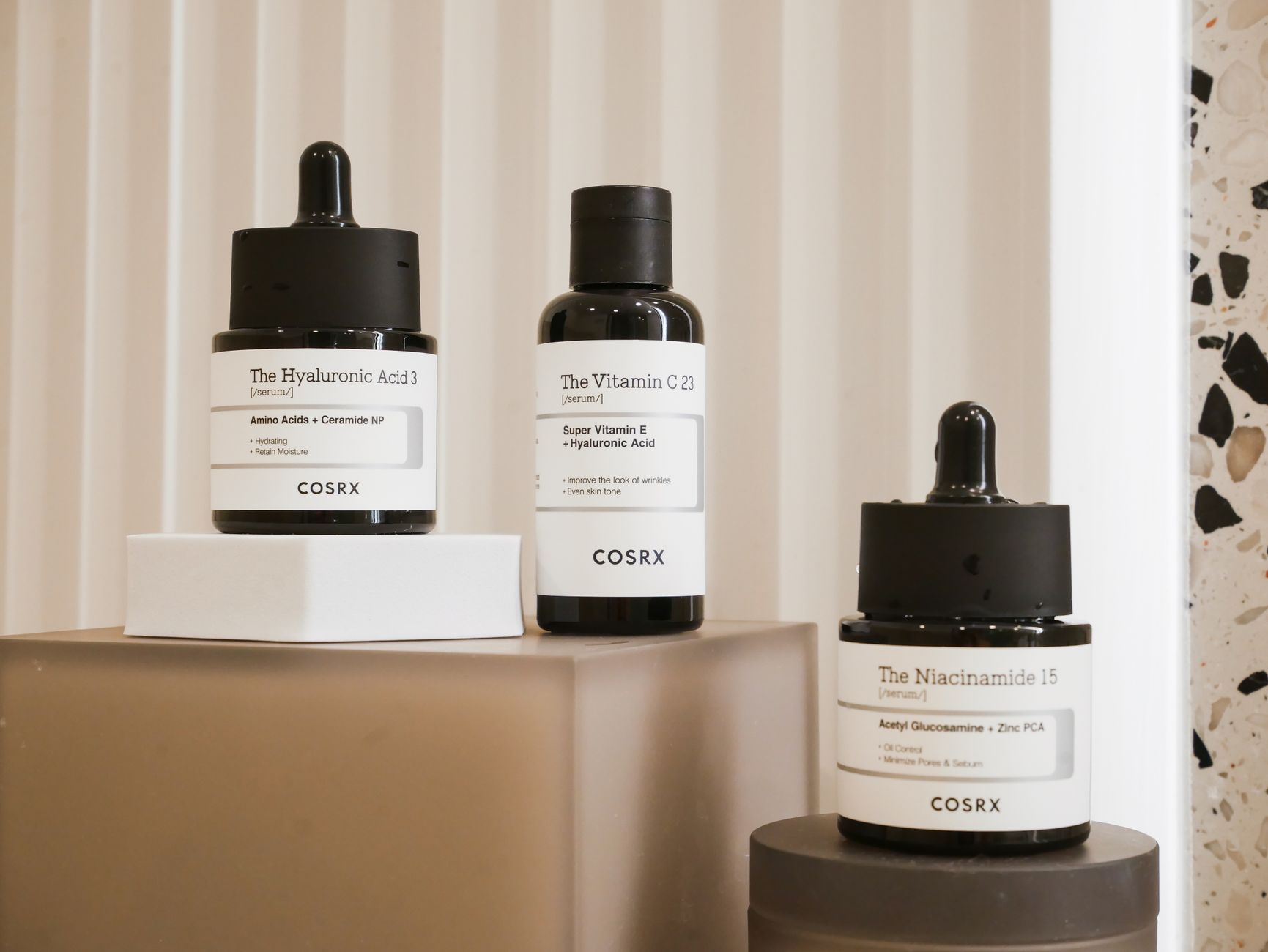
- Layering for Optimal Hydration Without Clogging: For oily or combination skin, one moisturizer might not be enough. Or you might need different textures for different areas. Try layering a lightweight serum (like hyaluronic acid) under a non-comedogenic gel or lotion. This gives you multiple layers of hydration. No need for one heavy product. Lower overall risk of pore blockage.
- Patch Testing is Your Friend: Even with non-comedogenic claims, skin reacts differently. Before using a new product all over, patch test. Apply a small amount behind your ear or on your jawline for a few days. Watch for redness, irritation, or breakouts. Then decide on full application.
- Don’t Forget Sunscreen (and choose wisely): Sunscreen is non-negotiable. For oily skin, look for mineral sunscreens (zinc oxide, titanium dioxide). Or lightweight chemical sunscreens. Make sure they’re labeled “non-comedogenic” and “oil-free.” Many sunscreens now double as moisturizers. Simplifies your routine.
- Be Patient and Consistent: Skincare results aren’t instant. It can take weeks (usually 4-6 for skin cell turnover) to see benefits. Or to know if a product truly works. Consistency in application, plus patience, is key. Get that clearer, balanced skin.
FAQ
Is “non-comedogenic” a regulated term?
No, “non-comedogenic” isn’t regulated by bodies like the FDA. It usually means a product was tested and shown not to clog pores. But testing methods and standards vary by manufacturer.
Can natural oils clog pores?
Yes, absolutely. While many natural oils are good, some can be problematic for acne-prone skin. Think coconut oil (often rated highly comedogenic), wheat germ oil, and flax seed oil. Research the rating of specific natural oils if you have oily skin.
How quickly can a comedogenic product cause breakouts?
Breakouts from a comedogenic product can vary. It’s often not immediate. It can take days to weeks for pores to clog enough for a breakout. Depends on your skin’s sensitivity and sebum production.
Should I avoid all ingredients on a comedogenic list?
Not necessarily. The comedogenic scale is a guide. Ingredient concentration in a formula matters. How it interacts with other ingredients is also significant. Some moderately rated ingredients might be fine for your skin in a well-formulated product.
What’s the difference between “non-comedogenic” and “oil-free”?
“Non-comedogenic” means the product is formulated not to clog pores. “Oil-free” just means it doesn’t contain oils. An oil-free product can still have comedogenic ingredients. Conversely, some non-comedogenic products might contain beneficial, non-clogging oils (like squalane).
Conclusion
Knowing which moisturizer ingredients clog pores is a powerful tool. Especially if you have oily or acne-prone skin. The concept of “comedogenicity” can seem complex. But armed with knowledge of common culprits and good alternatives, you’re set to make smarter choices. Remember, every skin reacts differently. The product’s overall formulation often matters more than a single ingredient’s rating. Prioritize gentle, science-backed formulas. Look for humectants, ceramides, and niacinamide. Always listen to your skin. By focusing on non-comedogenic options, you can hydrate effectively. Strengthen your skin barrier. Get closer to that clear, balanced complexion you want.
Shop for more non-comedogenic moisturizers on Amazon
Related Articles
- Peptides in Skincare: What They Do and Which Products Are Worth It for Mature Skin 2026
- Salicylic Acid Guide: How to Use It for Acne Without Over-Drying
- How to Fade Dark Spots: The Ingredients That Actually Work for Mature Skin
- Niacinamide Benefits for Skin: The Complete Ingredient Guide for 2026
Where to Buy

💬 Join the Conversation
Have thoughts on this article? We'd love to hear from you.