When you purchase through links on our site, we may earn an affiliate commission. How it works.
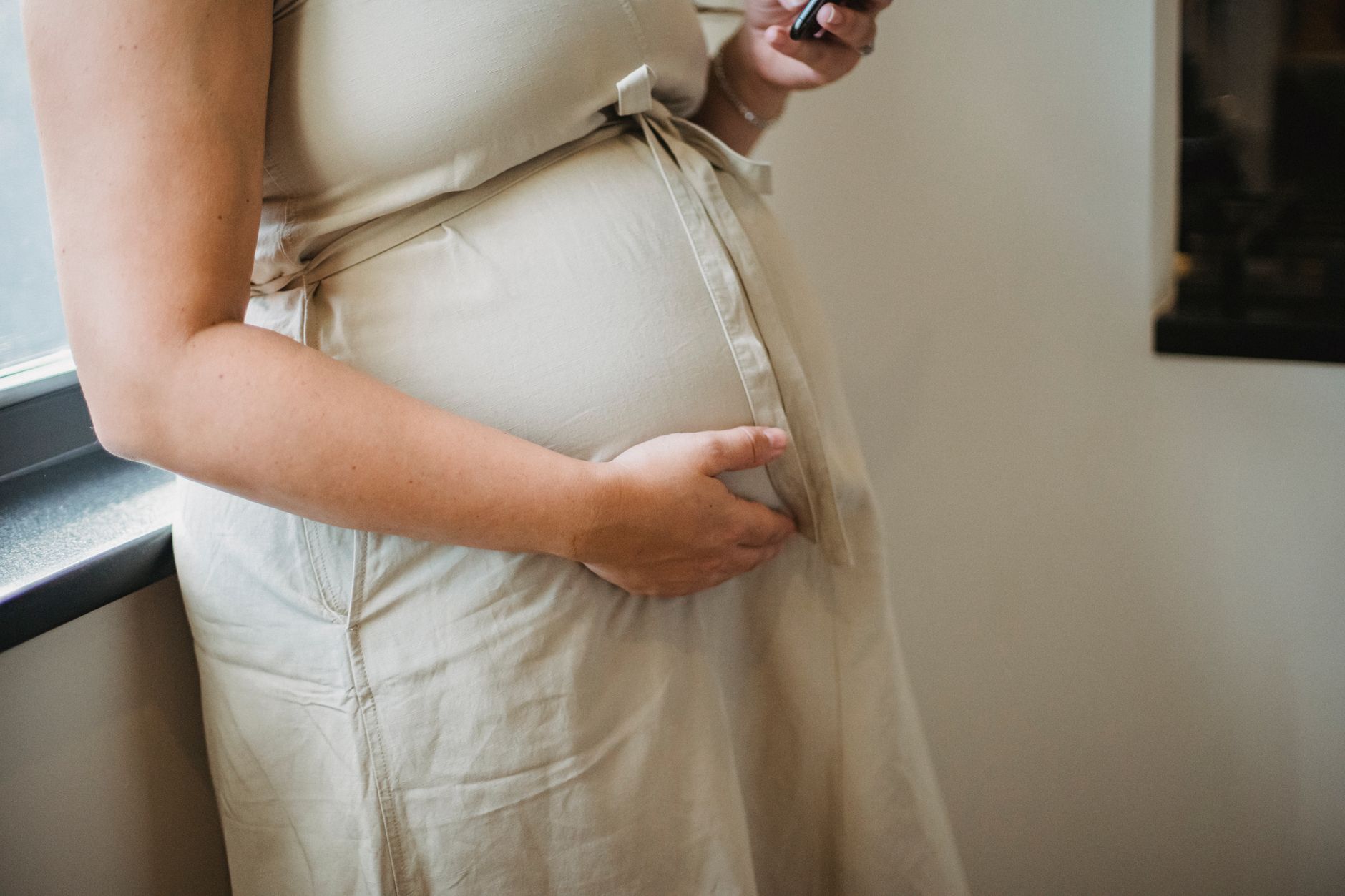
Yes, ceramides are safe and beneficial during pregnancy. They support the skin’s natural barrier, helping maintain skin health and comfort during this time.
Why Are Ceramides Safe During Pregnancy?
As lipid molecules, ceramides naturally make up about 50% of your skin’s outermost layer. They act like the “mortar” between skin cells, forming a protective barrier that locks in moisture and keeps irritants out. Topical ceramides are biochemically identical to those your skin already produces; applying them replenishes what your skin naturally contains instead of introducing a foreign substance.
This natural compatibility explains why dermatologists and OB-GYNs often recommend ceramide-containing moisturizers for pregnant individuals. They don’t penetrate beyond the outer skin layers in significant amounts, meaning systemic absorption is negligible. Ceramides also have a multi-decade history of cosmetic use without documented adverse effects, even appearing in infant skincare products.
The Benefits of Ceramides for Pregnant Skin
Related reading: Hyaluronic Acid Skincare Guide: How to Use It, Layer It, and Pick the Right Formula
Pregnancy brings hormonal changes that can significantly impact skin. Many expectant mothers experience increased dryness, sensitivity, irritation, or even new skin conditions. Ceramides offer particular value here:
- Strengthening the Skin Barrier: Ceramides are crucial for a healthy skin barrier. By reinforcing it, they help skin retain moisture and better defend against environmental stressors and potential irritants. A stronger barrier can prevent the uncomfortable dryness and tightness often accompanying pregnancy.
- Combating Dryness and Itchiness: As your body changes and stretches, skin can become particularly dry and itchy. Ceramides seal in hydration, preventing moisture loss and providing relief. This is especially helpful for areas prone to stretching, like the abdomen.
- Reducing Sensitivity: Hormonal shifts can make skin more reactive, turning previously well-tolerated products into irritants. Ceramides are gentle and can help soothe compromised skin, making your routine more comfortable.
- Supporting Skin Health: Maintaining adequate hydration and barrier function means ceramides contribute to overall skin health, keeping it supple and resilient.
How to Incorporate Ceramides into Your Pregnancy Skincare Routine
Integrating ceramides into your routine is straightforward. They’re typically found in moisturizers, a foundational step for any skin type.
- Choose Gentle Formulations: We recommend fragrance-free, hypoallergenic moisturizers designed for sensitive skin. Look for products combining ceramides with other hydrating ingredients like hyaluronic acid and glycerin.
- Apply Regularly: For best results, apply a ceramide-rich moisturizer twice daily, after cleansing, to damp skin. This effectively locks in moisture.
- Listen to Your Skin: Pregnancy can make skin unpredictable. If you notice new sensitivities, consult your dermatologist or OB-GYN. While ceramides are generally safe, always discuss your full skincare routine with your healthcare provider.
Our Top Ceramide Moisturizer Picks
Related reading: Retinol for Beginners: The Complete Guide to Starting Safely
We recommend well-formulated moisturizers that prioritize skin barrier support.
- CeraVe Moisturizing Cream | Daily Face & Body Moisturizer for Dry Skin CeraVe’s rich, non-greasy cream is popular for good reason. It features three essential ceramides (Ceramide NP, AP, EOP) along with hyaluronic acid to hydrate and restore the skin’s protective barrier. Its MVE Delivery Technology ensures a continuous release of moisturizing ingredients for long-lasting hydration. It’s fragrance-free and suitable for normal to very dry skin, making it an excellent choice during pregnancy. You can typically find CeraVe Moisturizing Cream for around $14-$20 for a 16 oz tub.
- La Roche-Posay Lipikar AP+M Triple Repair Body Moisturizing Cream Formulated for dry to very dry skin, this cream helps rebalance the skin microbiome and restore the skin’s protective barrier. It contains Ceramide-3, shea butter, glycerin, and niacinamide, offering 48-hour hydration and helping reduce dry, rough skin. It’s also fragrance-free and accepted by the National Eczema Association, making it suitable for sensitive skin during pregnancy. This moisturizer typically ranges from about $12-$23, depending on the size.
What Other Skincare Ingredients are Pregnancy-Safe?
Many other ingredients are safe for use during pregnancy and can complement a ceramide-focused routine. These include:
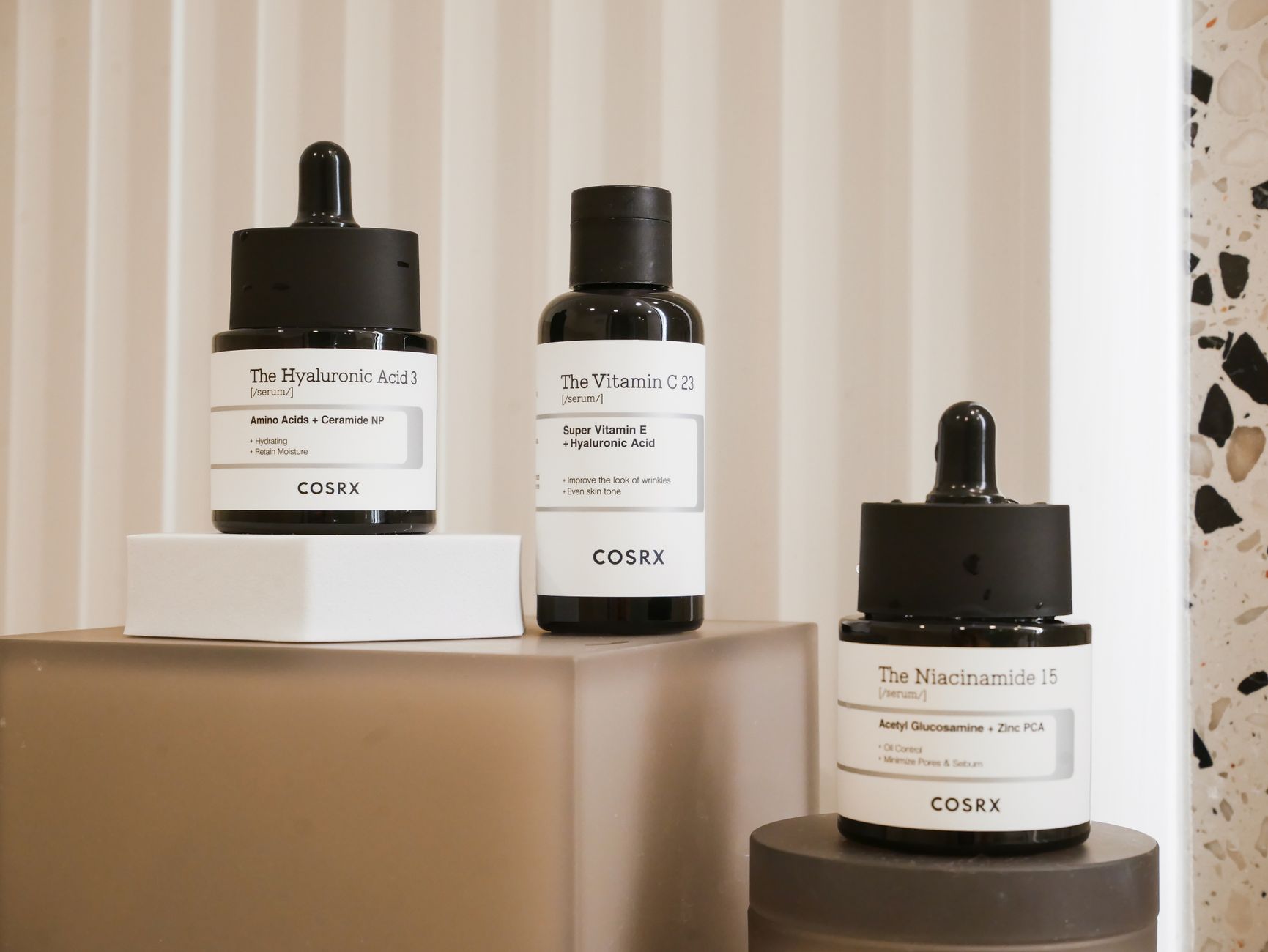
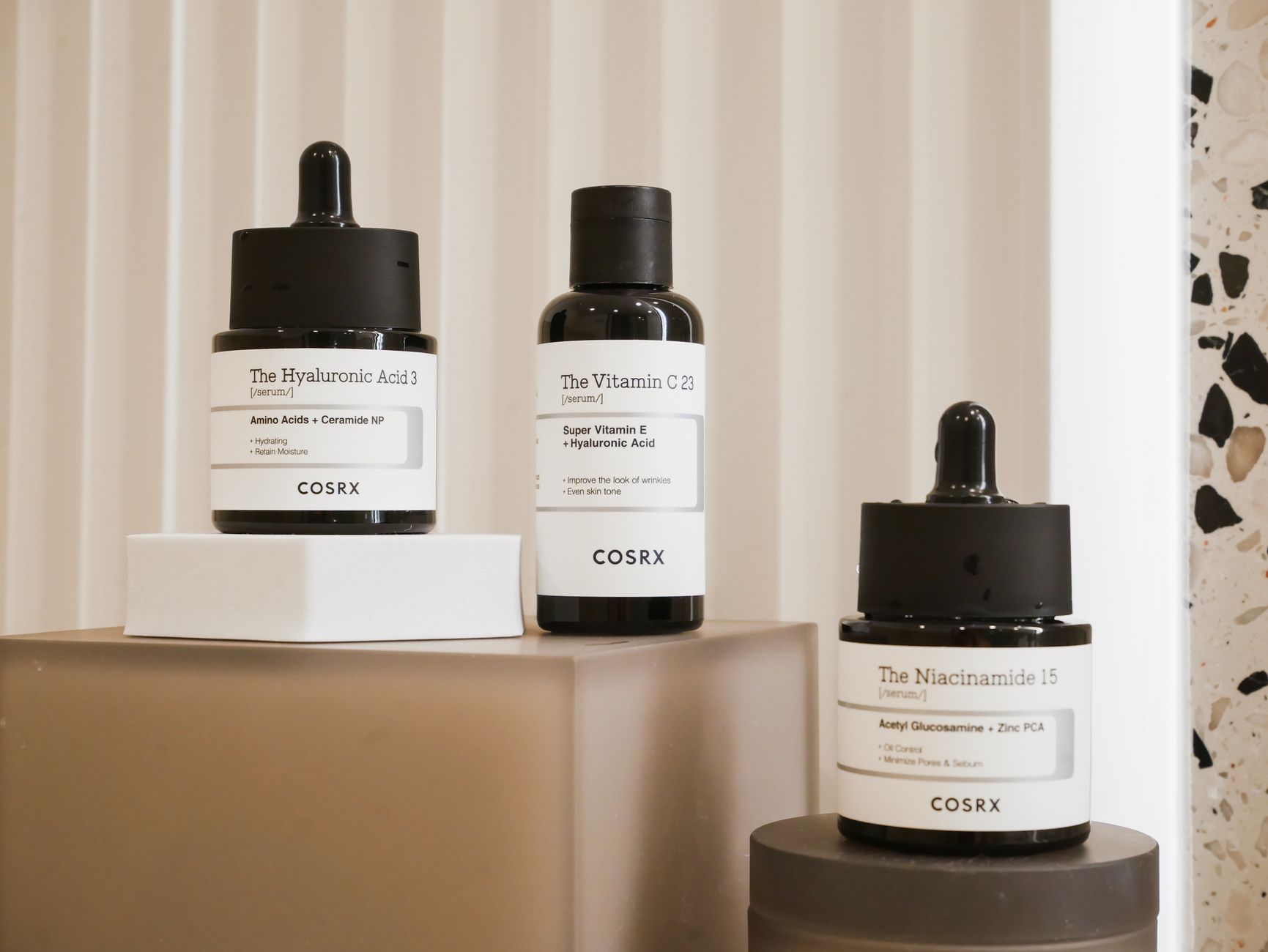
- Hyaluronic Acid: A powerful humectant that draws moisture into the skin, providing deep hydration.
- Glycerin: Another excellent humectant that helps hydrate and soften the skin.
- Niacinamide (Vitamin B3): Helps strengthen the skin barrier, reduce redness, and improve uneven tone.
- Vitamin C: An antioxidant that can help with brightening and protecting the skin.
- Mineral Sunscreens (Zinc Oxide and Titanium Dioxide): Recommended for sun protection during pregnancy.
Be aware of ingredients generally advised against during pregnancy, such as retinoids (retinol, tretinoin), high concentrations of salicylic acid, hydroquinone, and benzoyl peroxide. Always consult your doctor or dermatologist for personalized advice regarding your pregnancy skincare routine.
Frequently Asked Questions
Do ceramides help with stretch marks during pregnancy?
While ceramides excel at maintaining skin elasticity and hydration, which can theoretically support skin as it stretches, no direct evidence suggests they prevent or treat stretch marks. Focus on keeping the skin well-moisturized and supple.
Can I use ceramide serums during pregnancy?
Yes, ceramide serums are generally safe during pregnancy if you prefer that format. Ensure the rest of the serum’s ingredient list is pregnancy-safe and always check with your healthcare provider.
How do I know if my skin barrier is compromised during pregnancy?
Signs of a compromised skin barrier include increased dryness, flakiness, redness, itching, stinging or burning sensations when applying products, and heightened sensitivity. Ceramides can help restore and maintain a healthy barrier.
Ultimately, a ceramide-rich moisturizer like the CeraVe Moisturizing Cream or La Roche-Posay Lipikar AP+M offers reliable barrier support and comfort for pregnant skin, making it a category we frequently recommend.
Related Articles

💬 Join the Conversation
Have thoughts on this article? We'd love to hear from you.