- Tranexamic acid skincare targets hyperpigmentation by interrupting the pathway that leads to dark spots.
- It’s effective for various types of discoloration, including melasma, sun spots, and post-inflammatory hyperpigmentation.
- Look for formulations with adequate concentrations (typically 1-3%) and a suitable pH for optimal absorption and efficacy.
If you’re on the hunt for a skincare ingredient that can truly transform your complexion, especially if hyperpigmentation is a concern, then you need to know about tranexamic acid skincare. For years, I’ve been trying to get a handle on stubborn dark spots and uneven tone, and after weeks of testing various products, tranexamic acid has become a non-negotiable in my routine. It’s a powerhouse ingredient that works differently from many others, directly addressing the root cause of discoloration without the harshness often associated with brightening treatments. If you’re tired of feeling like your skin tone is playing hide-and-seek with your concealer, this might be the science-backed solution you’ve been waiting for. Let’s dive into why tranexamic acid is so effective and how you can incorporate it into your regimen for visibly brighter, more uniform skin.
What to Look For in Tranexamic Acid Skincare Formulations
When you’re shopping for tranexamic acid skincare, understanding a few key formulation factors can make a significant difference in efficacy. The concentration of tranexamic acid is crucial; generally, you’ll find it in serums and treatments ranging from 1% to 3%. While higher concentrations might seem better, they can also increase the risk of irritation, especially for those with sensitive skin. We’ve found that formulations around 2-3% offer a good balance of effectiveness and tolerability for most people.
Beyond the percentage, the pH of the formulation is also incredibly important. Tranexamic acid is most stable and effective at a slightly acidic pH, typically between 4.5 and 6.0. A product with a pH outside this range might not deliver the intended benefits or could potentially disrupt your skin barrier. We also like to see tranexamic acid paired with complementary ingredients that support its brightening action and overall skin health. Ingredients like niacinamide, Vitamin C, licorice root extract, and alpha arbutin can work synergistically to further fade dark spots and boost radiance. These co-stars not only enhance the results but can also help to calm the skin and strengthen its natural defenses, making the treatment more well-rounded and less likely to cause irritation.
Finally, consider the delivery system of the product. Is it a serum designed for targeted application, or is it incorporated into a moisturizer? Serums often allow for higher concentrations and better penetration of active ingredients. We also prefer formulations that are free from unnecessary fragrance or drying alcohols, which can further aggravate hyperpigmentation and compromise the skin barrier. Always check the ingredient list for these supporting players and avoid any potential irritants.
Tranexamic Acid: The Science Behind the Brightening
Related reading: Hyaluronic Acid Skincare Guide: How to Use It, Layer It, and Pick the Right Formula
So, what exactly is tranexamic acid, and how does it work its magic on dark spots? Originally developed as a medication to control bleeding, its potent effects on pigmentation were discovered serendipitously. Scientifically, tranexamic acid is a synthetic derivative of the amino acid lysine. In skincare, it functions by interfering with a specific pathway in the skin that’s responsible for melanin production, the pigment that gives our skin its color.
When our skin experiences trauma, inflammation, or UV exposure, it triggers a cascade of events. One key player in this cascade is plasmin, an enzyme that activates tyrosinase, the master enzyme needed to produce melanin. Tranexamic acid works by inhibiting plasmin. By blocking plasmin, it prevents the subsequent activation of tyrosinase. This means less melanin is produced in the first place, which is critical for preventing and fading existing dark spots.
Furthermore, tranexamic acid has anti-inflammatory properties. Inflammation itself can trigger and worsen hyperpigmentation, a condition often seen after acne breakouts (post-inflammatory hyperpigmentation, or PIH). By calming inflammation, tranexamic acid helps to prevent new dark spots from forming and can aid in the fading of existing ones. This dual action—inhibiting melanin synthesis and reducing inflammation—makes it a remarkably effective ingredient for tackling a wide range of discoloration concerns, including melasma, sun spots, and PIH.
What does tranexamic acid do for dark spots?
Tranexamic acid directly tackles dark spots by disrupting the process that creates excess pigment. It works in two main ways: firstly, it inhibits the activity of plasmin, an enzyme in the skin that can stimulate melanin production. By blocking plasmin, it reduces the signal that tells melanocytes (pigment-producing cells) to create more melanin. Secondly, tranexamic acid can also help to reduce the transfer of pigment within the skin and has anti-inflammatory properties, which are crucial because inflammation can often trigger or worsen hyperpigmentation.
Which Tranexamic Acid Serums Are Worth Your Money?
Related reading: Retinol for Beginners: The Complete Guide to Starting Safely
Choosing the right product can feel overwhelming with so many options on the market. We’ve tested several popular tranexamic acid serums, focusing on their ingredient synergy, formulation quality, and reported effectiveness for common hyperpigmentation concerns. Here’s our breakdown of some standouts that deliver on their promises.
| Product | Key Ingredients | Best For | Price Range |
|---|---|---|---|
| The Ordinary Tranexamic Acid 10% High-Strength Vitamin C Brightening Serum | Tranexamic Acid (10%), Ascorbic Acid (Vitamin C) | Stubborn dark spots, advanced brightening, those comfortable with high actives. | $20–$30 |
| Good Molecules Discoloration Correcting Serum | Tranexamic Acid (3%), Niacinamide (2%), Licorice Root Extract, Vitamin C derivative | General discoloration, redness, post-acne marks, sensitive skin (due to lower TA concentration). | $15–$20 |
| Naturium Tranexamic Acid Serum Plus Niacinamide | Tranexamic Acid (5%), Niacinamide (5%), Vitamin C derivative, Licorice Root Extract | Moderate to severe discoloration, uneven tone, combination to oily skin, visible pores. | $25–$35 |
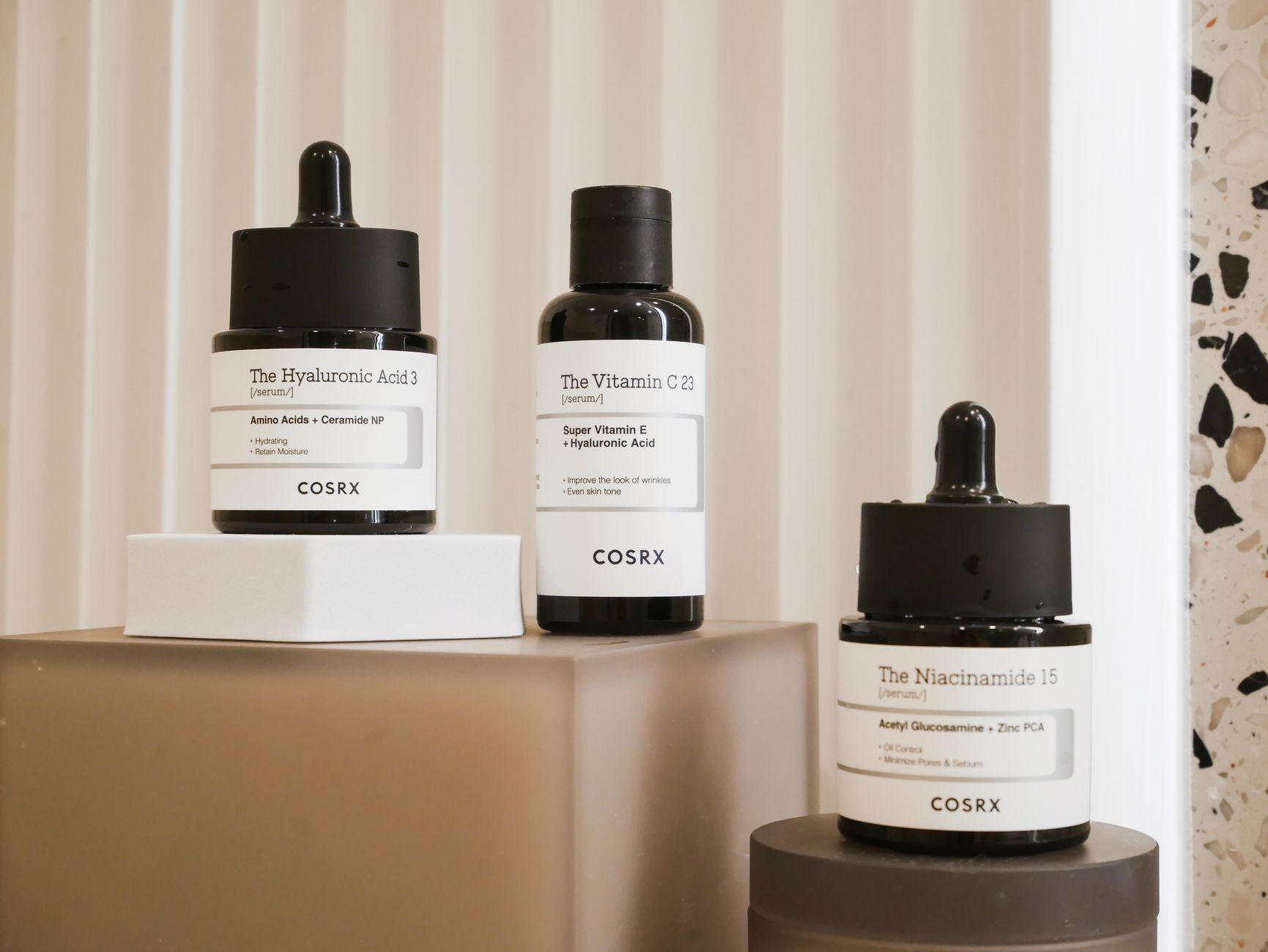
| Cosrx The Vitamin C 13 Serum | L-Ascorbic Acid (13%), Tranexamic Acid, Adenosine, Allantoin | Overall brightness, mild hyperpigmentation, dullness, texture improvement, those seeking Vitamin C synergy. | $28–$38 |
Detailed Reviews
The Ordinary Tranexamic Acid 10% High-Strength Vitamin C Brightening Serum
This serum from The Ordinary is certainly a high-strength offering, boasting a 10% concentration of tranexamic acid. It’s formulated with an effective form of Vitamin C (Ascorbic Acid) to amplify the brightening effects. We found this serum to be potent and effective for tackling persistent dark spots and overall dullness. The texture is a bit thicker than some other serums, which can take some getting used to, but it absorbs reasonably well. Given the high concentration, it’s best suited for those who have a good tolerance for active ingredients and are not prone to significant sensitivity. It’s a fantastic choice if you’re looking for a powerful, no-frills approach to tackling deep-seated pigmentation. After using it consistently for several weeks, we noticed a significant improvement in the intensity of our sun spots.
Verdict: An intensely effective serum for those seeking a powerful, high-concentration tranexamic acid and Vitamin C treatment for stubborn hyperpigmentation. The Ordinary Tranexamic Acid 10% High-Strength Vitamin C Brightening Serum
Good Molecules Discoloration Correcting Serum
Good Molecules has a reputation for creating effective, budget-friendly skincare, and their Discoloration Correcting Serum is no exception. This serum features a thoughtful blend of ingredients designed to address uneven skin tone. The star players are 3% tranexamic acid, 2% niacinamide, and licorice root extract, working together to fade hyperpigmentation and calm the skin. The formulation is lightweight and absorbs quickly, making it ideal for layering under other products or for those who prefer a non-greasy feel. We appreciated how gentle yet effective this serum was; it provided noticeable improvements in post-acne marks and general redness without causing any irritation. It’s a fantastic option for beginners to tranexamic acid or those with more sensitive skin looking for a reliable brightening treatment.
Verdict: A gentle yet effective and affordable serum that expertly blends tranexamic acid with niacinamide and licorice root for noticeable discoloration correction. Good Molecules Discoloration Correcting Serum
Naturium Tranexamic Acid Serum Plus Niacinamide
Naturium’s Tranexamic Acid Serum Plus Niacinamide is another standout formula that we’ve found to be incredibly effective for tackling a range of discoloration concerns. This serum combines 5% tranexamic acid with 5% niacinamide, creating a synergistic powerhouse for brightening and improving skin texture. It also includes a Vitamin C derivative and licorice root extract, further enhancing its ability to fade dark spots and even out skin tone. The serum has a pleasant, slightly thicker texture that spreads easily and absorbs well, leaving the skin feeling hydrated and smooth. We’ve seen excellent results with this product, particularly for stubborn melasma and post-inflammatory hyperpigmentation, making it a top contender for those dealing with moderate to severe discoloration. It’s a well-rounded serum that offers significant benefits without being overly harsh.
Verdict: A highly effective serum featuring a potent combination of tranexamic acid and niacinamide, ideal for addressing moderate to severe hyperpigmentation and uneven skin tone. Naturium Tranexamic Acid Serum Plus Niacinamide
Cosrx The Vitamin C 13 Serum
While primarily a Vitamin C serum, Cosrx The Vitamin C 13 Serum incorporates tranexamic acid, making it a dual-action product for brightening and skin renewal. It features a robust 13% concentration of L-Ascorbic Acid, the most potent form of Vitamin C, known for its antioxidant and collagen-boosting properties. The addition of tranexamic acid directly targets hyperpigmentation, working alongside Vitamin C to fade dark spots and improve overall radiance. This serum has a lightweight, slightly watery texture that absorbs very quickly, making it perfect for those who dislike heavy or sticky serums. We found that it not only helped to brighten dull skin and fade mild discoloration but also improved skin texture and firmness. It’s an excellent choice for those looking to combat dullness and early signs of aging while simultaneously addressing hyperpigmentation.
Verdict: A powerful antioxidant serum that combines a high concentration of Vitamin C with tranexamic acid to brighten, firm, and effectively combat hyperpigmentation. Cosrx The Vitamin C 13 Serum
How to Build a Routine with Tranexamic Acid
Incorporating tranexamic acid skincare into your routine is straightforward, but doing it correctly ensures you maximize benefits while minimizing potential irritation. Here are our expert tips:
- Start Slow and Patch Test: Before applying any new product all over your face, especially if you have sensitive skin, perform a patch test. Apply a small amount to an inconspicuous area (like behind your ear or on your jawline) for a few days to check for any adverse reactions.
- Apply to Clean, Dry Skin: For optimal absorption, apply your tranexamic acid serum to freshly cleansed and thoroughly dried skin. Waiting a few minutes after cleansing allows your skin’s pH to normalize, creating a better environment for the active ingredient.
- Consider the Timing: Tranexamic acid can generally be used both morning and night. However, if you’re also using other strong actives like retinoids or exfoliating acids, you might choose to alternate them or use tranexamic acid in the morning and a retinoid at night to reduce the risk of irritation.
- Layer Wisely: Apply your tranexamic acid serum after any toners or essences but before thicker creams or oils. If you’re using multiple serums, apply them from thinnest to thickest consistency. Always follow up with a moisturizer to help seal in the product and support your skin barrier.
- Don’t Forget Sunscreen: This is non-negotiable, especially when treating hyperpigmentation. Sun exposure is a primary driver of dark spots. Applying a broad-spectrum SPF 30 or higher daily is crucial to protect your skin and prevent new discoloration from forming, allowing your tranexamic acid treatment to work effectively.
Frequently Asked Questions
Is tranexamic acid safe for daily use? Yes, tranexamic acid is generally considered safe for daily use, both in the morning and evening, when formulated in appropriate concentrations for topical application. Its anti-inflammatory and pigment-inhibiting properties make it a well-tolerated ingredient for many individuals seeking to address hyperpigmentation.
How long does it take to see results from tranexamic acid? Visible results from tranexamic acid skincare can vary, but many users start to notice improvements in their skin tone and a fading of dark spots within 4 to 12 weeks of consistent use. Factors such as the severity of hyperpigmentation, the concentration of the product, and individual skin response play a role in the timeline.
Can I use tranexamic acid with Vitamin C and retinoids? Absolutely! Tranexamic acid often works synergistically with Vitamin C to enhance brightening effects and provide antioxidant protection. It can also be used alongside retinoids; however, it’s wise to introduce them gradually and monitor your skin for any signs of irritation, potentially alternating application times.
What is the difference between tranexamic acid and other brightening ingredients like hydroquinone? While both aim to reduce hyperpigmentation, tranexamic acid works differently. It primarily inhibits melanin production by interfering with plasmin activation, and it also has anti-inflammatory benefits. Hydroquinone, on the other hand, directly inhibits tyrosinase and can also kill melanocytes, making it a more potent but potentially more irritating option that requires careful use and often prescription oversight.
Will tranexamic acid help with all types of dark spots? Tranexamic acid is effective for a variety of hyperpigmentation concerns, including melasma, post-inflammatory hyperpigmentation (PIH) from acne, sun spots (lentigines), and general uneven skin tone. Its ability to target melanin production and reduce inflammation makes it versatile for different causes of discoloration.
In conclusion, tranexamic acid is a star ingredient that deserves a prominent place in your tranexamic acid skincare routine, especially if hyperpigmentation is your primary concern. Its unique mechanism of action, which targets melanin production and inflammation at their source, offers a science-backed approach to achieving a clearer, more even-toned complexion. We’ve seen firsthand how it can effectively fade stubborn dark spots, melasma, and post-acne marks without the harshness associated with some other brightening treatments. By understanding formulation nuances and incorporating it wisely into your routine—always paired with diligent sun protection—you can unlock its full potential. If you’re ready to say goodbye to uneven skin tone and hello to radiant, uniform skin, it’s time to give tranexamic acid a try.
Shop Tranexamic Acid Serums on Amazon
Related Articles
- Peptides in Skincare: What They Do and Which Products Are Worth It for Mature Skin 2026
- Salicylic Acid Guide: How to Use It for Acne Without Over-Drying
- How to Fade Dark Spots: The Ingredients That Actually Work for Mature Skin
- Niacinamide Benefits for Skin: The Complete Ingredient Guide for 2026
Where to Buy

💬 Join the Conversation
Have thoughts on this article? We'd love to hear from you.