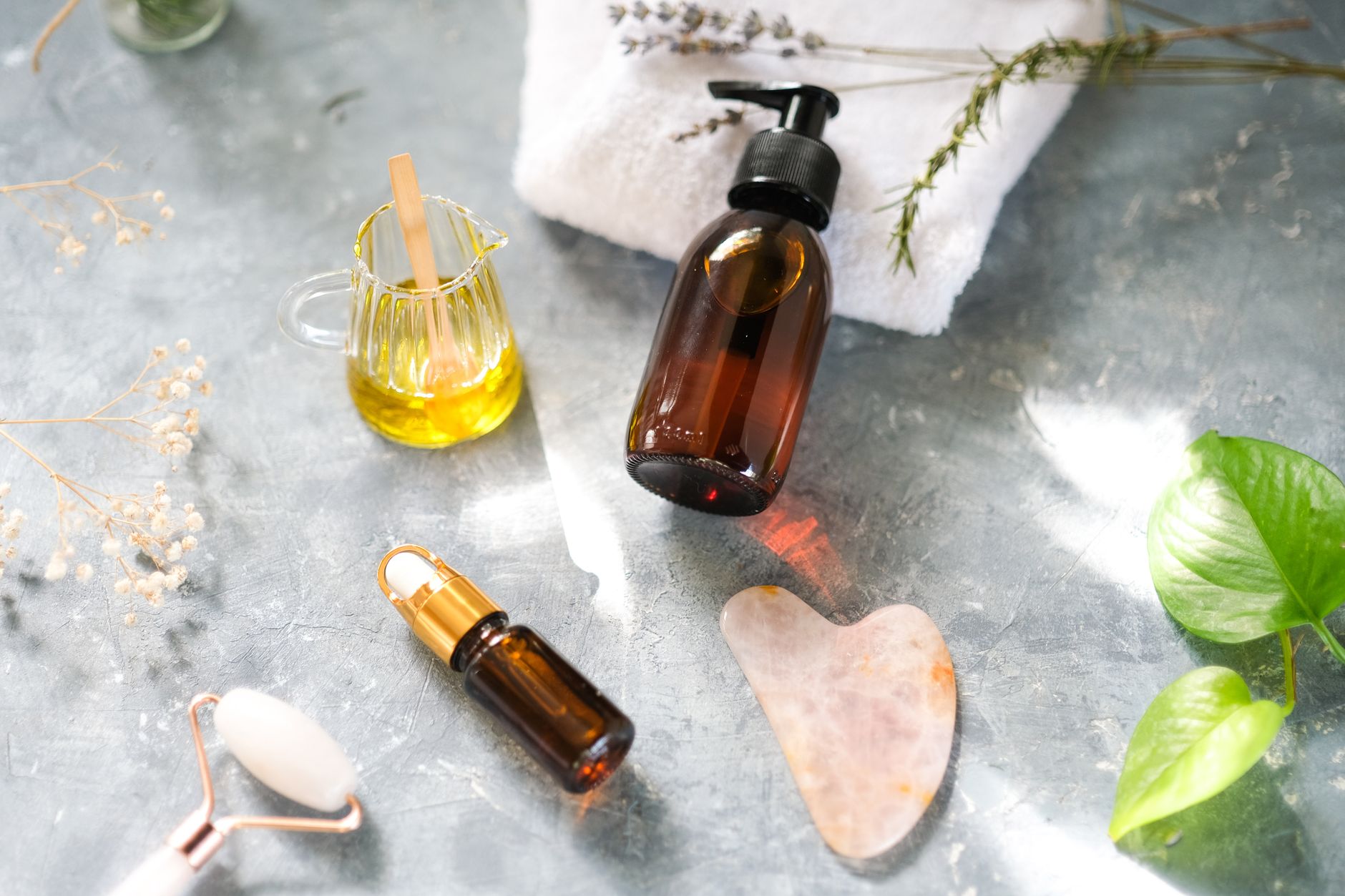
- Rosehip Seed Oil: Excellent for regeneration and reducing the appearance of scars and fine lines.
- Marula Oil: A potent antioxidant powerhouse, ideal for protecting and nourishing dry or mature skin.
- Argan Oil: Rich in Vitamin E and fatty acids, it deeply moisturizes and balances combination to oily skin.
The quest for that coveted glowing skin often leads us down a rabbit hole of serums, creams, and masks. But for years, I’ve personally found that incorporating the right facial oil into my routine has been a game-changer. After weeks of testing various formulations, paying close attention to how my skin reacted and evolved, I can confidently say that the best facial oils 2026 offer a potent, science-backed approach to achieving healthier, more radiant skin. This isn’t just about slapping on any oil; it’s about understanding your skin type and choosing an ingredient that works in harmony with your natural biology. We’re here to demystify the world of facial oils, breaking down the science behind why they work and guiding you to the perfect bottle for your unique needs.
What to Look For in a Facial Oil
When you’re looking for the best facial oils 2026, it’s essential to understand what makes them effective. At SkinPetals, we believe in transparency and science, so let’s dive into the key factors that differentiate a good facial oil from a mediocre one.
Firstly, the type of oil is paramount. Facial oils are typically derived from seeds, nuts, or fruits, and each possesses a unique fatty acid profile, vitamin content, and absorption rate. These differences dictate how the oil will interact with your skin. For instance, oils rich in linoleic acid (an omega-6 fatty acid) are often lighter and can help balance sebum production, making them suitable for acne-prone or oily skin. Conversely, oils high in oleic acid (an omega-9 fatty acid) tend to be richer and more emollient, providing intense hydration for dry or mature skin.
Secondly, consider the comedogenicity of the oil. This refers to how likely an ingredient is to clog pores. Oils are often rated on a scale of 0 to 5, with 0 being non-comedogenic and 5 being highly comedogenic. For those prone to breakouts, selecting oils with a low comedogenic rating (0-2) is crucial. Ingredients like squalane, jojoba oil, and rosehip seed oil are generally considered non-comedogenic or very low in their potential to clog pores.
Thirdly, the extraction method matters. Cold-pressing is often the preferred method for extracting botanical oils because it preserves the delicate nutrients, vitamins, and antioxidants within the oil without the use of harsh chemicals or excessive heat. This ensures you’re getting the most potent and beneficial form of the ingredient. Look for terms like “cold-pressed,” “unrefined,” or “virgin” on the label.
Finally, formulation and purity are key. Ideally, you want a facial oil that’s 100% pure, with minimal or no added fragrances, artificial colors, or preservatives, especially if you have sensitive skin. Some oils are blended with other beneficial ingredients, which can be fantastic, but understanding the base oil and its properties is the first step. We’ll be looking at oils that are either single-ingredient powerhouses or thoughtfully formulated to maximize their benefits. Understanding these components will empower you to make informed decisions and find the best facial oils 2026 for your specific skin type and concerns.
Comparison Table: Top Facial Oils 2026
Related reading: Best Sunscreen Without White Cast 2026: 7 Picks for Every Skin Tone
| Product | Key Ingredient | Best For | Price Range |
|---|---|---|---|
| Rosehip Seed Oil by Radha Beauty | Rosehip Seed Oil | Scarring, hyperpigmentation, fine lines, regeneration, all skin types | $15–$25 |
| Marula Oil by The Ordinary | Marula Oil | Dryness, environmental protection, mature skin, antioxidant support | $10–$20 |
| Argan Oil by Josie Maran Cosmetics | Argan Oil | Dryness, dullness, combination skin, balancing | $40–$50 |
| Squalane Oil by Biossance | Squalane (Olive-Derived) | Hydration, barrier support, sensitive skin, all skin types | $25–$35 |
| Jojoba Oil by Kate Blanc Cosmetics | Jojoba Oil | Balancing oil production, acne-prone skin, sensitive skin, all skin types | $10–$20 |
Detailed Reviews: Best Facial Oils 2026
Rosehip Seed Oil by Radha Beauty
Rosehip seed oil has been a staple in my personal skincare arsenal for years, and the Radha Beauty offering is a fantastic, accessible choice for anyone looking to harness its regenerative power. Derived from the seeds of rosehips, this oil is particularly rich in provitamin A (a precursor to retinol), vitamin C, and essential fatty acids like linoleic acid and linolenic acid. These components work synergistically to promote cell turnover, reduce the appearance of scars and hyperpigmentation, and combat the signs of aging. I’ve found it to be incredibly effective in fading post-acne marks and improving overall skin tone, making it a go-to for achieving that face oil for glowing skin effect. Its texture is relatively light, absorbing well without leaving an overly greasy residue, which makes it suitable even for combination skin types when used in moderation. It’s also known for its soothing properties, which can be beneficial for sensitive complexions.
Verdict: Radha Beauty’s Rosehip Seed Oil is a highly recommended, budget-friendly option for targeting hyperpigmentation, fine lines, and promoting overall skin renewal.
Radha Beauty Organic Rosehip Seed Oil
Marula Oil by The Ordinary
The Ordinary has a knack for delivering potent, single-ingredient formulations at accessible price points, and their Marula Oil is no exception. Marula oil is extracted from the kernels of the marula tree fruit and is renowned for its exceptionally high concentration of antioxidants, including vitamin E and flavonoids. These powerful compounds help to neutralize free radicals, protecting the skin from environmental damage caused by pollution and UV exposure – a critical step in preventing premature aging. It’s also rich in oleic acid and linoleic acid, offering significant moisturizing and emollient properties. I’ve personally found this oil to be a wonderful addition for boosting hydration, particularly during drier months or when my skin feels compromised. It has a slightly richer feel than rosehip oil but still absorbs reasonably well, leaving the skin feeling comforted and supple. It’s an excellent choice for those with dry, mature, or environmentally stressed skin seeking robust protection and nourishment.
Verdict: The Ordinary’s Marula Oil is an excellent antioxidant-rich hydrator, perfect for protecting and nourishing dry and mature skin.
The Ordinary 100% Cold-Pressed Marula Oil
Argan Oil by Josie Maran Cosmetics
Josie Maran’s 100% Pure Argan Oil is a cult favorite for a reason. Sourced from Morocco, argan oil is packed with vitamin E, fatty acids, and antioxidants. Its fatty acid profile is predominantly oleic acid and linoleic acid, which makes it a fantastic emollient, capable of deeply moisturizing the skin without feeling heavy or greasy for most. I’ve used this oil on my combination skin when it feels dehydrated, and it’s remarkable how it quenches thirsty areas without exacerbating oiliness in my T-zone. It also contributes to improved skin elasticity and can help soothe irritation. What sets this product apart is its commitment to pure, high-quality argan oil. It’s often available in various sizes, including convenient travel-friendly options, and the brand emphasizes ethical sourcing. This oil is a true multi-tasker, suitable for face, hair, and body.
Verdict: Josie Maran Cosmetics’ 100% Pure Argan Oil is a luxurious, effective, and versatile moisturizer that balances hydration and nourishment for most skin types.
Josie Maran Cosmetics 100% Pure Argan Oil
Squalane Oil by Biossance
Squalane, often derived from olives or sugarcane (Biossance uses sugarcane), is a hydrogenated form of squalene, a lipid naturally found in our skin. As we age, our natural squalene production decreases, which can lead to dryness and a compromised skin barrier. Squalane oil is incredibly biocompatible, meaning our skin readily recognizes and absorbs it. Its non-greasy, lightweight texture makes it a dream for virtually all skin types, including oily and acne-prone. I love using squalane because it mimics the skin’s natural oils, providing essential hydration and barrier support without clogging pores. It helps to improve skin’s suppleness and elasticity, leaving it feeling soft and smooth. For anyone with a compromised skin barrier, sensitivity, or just a desire for gentle, effective hydration, squalane is an absolute must-try. Biossance is known for its sustainable and high-purity squalane.
Verdict: Biossance Squalane Oil is a superior, lightweight hydrator that strengthens the skin barrier and is ideal for all skin types, especially sensitive or compromised complexions.
Biossance 100% Squalane Oil
Jojoba Oil by Kate Blanc Cosmetics
Jojoba oil is unique because, chemically, it’s not a true oil but rather a liquid wax ester. This is significant because its molecular structure is very similar to the sebum naturally produced by our skin. This similarity allows jojoba oil to effectively balance oil production, making it an excellent choice for both dry and oily skin types. For those with oily or acne-prone skin, jojoba oil can help signal to the skin that it doesn’t need to produce excess sebum, thus reducing shine and congestion. For dry skin, it provides excellent emollience and helps to lock in moisture. Kate Blanc Cosmetics offers a pure, cold-pressed jojoba oil that’s highly regarded for its quality. I’ve personally found it to be a fantastic balancing agent, particularly in my T-zone, and it’s gentle enough to use daily without irritation. Its non-comedogenic nature makes it a safe bet for almost anyone.
Verdict: Kate Blanc Cosmetics’ Jojoba Oil is a versatile, balancing oil that effectively hydrates and regulates sebum production, making it suitable for all skin types, particularly those prone to oiliness or breakouts.
Kate Blanc Cosmetics Organic Jojoba Oil
How to Build a Routine with Facial Oils
Related reading: Best Eye Creams 2026: Top 5 for Dark Circles, Puffiness, and Fine Lines
Incorporating facial oils into your skincare routine doesn’t have to be complicated. Here are a few practical tips to help you maximize their benefits and achieve that healthy glow.
- Cleanse and Tone First: Always apply facial oils to a clean, toned face. This ensures that the oil can penetrate effectively without being blocked by dirt, makeup, or impurities. If you’re using a water-based serum, apply that before your oil.
- The Order Matters: Oil After Water: A general rule of thumb is to apply your thinnest, most watery products first (like toners and serums) and then move to thicker consistencies. Facial oils are typically applied after your water-based serums and before your heavier creams or moisturizers. This allows the oil to seal in the beneficial ingredients from your serums.
- Less is More: You only need a few drops – typically 2-4 – to cover your entire face and neck. Overusing oil can lead to greasiness and breakouts. Start with a small amount and add more if needed.
- Warm it Up: Gently rub the oil between your palms to warm it slightly. This helps it spread more easily and aids in absorption. Then, press the oil into your skin rather than rubbing vigorously.
- Listen to Your Skin: Pay attention to how your skin responds. If an oil feels too heavy, try using it only at night or mixing a drop with your moisturizer. If your skin craves more hydration, you might use it morning and night. Experimentation is key to finding what works best for you.
Frequently Asked Questions About Facial Oils
Q1: Can I use facial oil if I’ve oily or acne-prone skin? Absolutely! Many facial oils, like jojoba and squalane, are non-comedogenic and can actually help balance your skin’s natural oil production. By providing adequate moisture, they can signal to your skin that it doesn’t need to overproduce sebum, which can reduce shine and breakouts.
Q2: How often should I use a facial oil? Most people can use facial oil once or twice a day, depending on their skin type and the specific oil. If you have very dry skin, you might benefit from using it morning and night. For oily or combination skin, starting with once a day, perhaps in the evening, is a good approach.
Q3: What’s the difference between a facial oil and a serum? Serums are typically water-based and formulated with highly concentrated active ingredients designed to target specific concerns like wrinkles or dark spots. Facial oils are oil-based and primarily work to moisturize, nourish, and support the skin barrier. They’re often applied after serums to seal in benefits.
Q4: Can I mix facial oil with my moisturizer? Yes, you can! Mixing a drop or two of facial oil with your regular moisturizer can boost its hydrating and nourishing properties. This is a great way to introduce oils into your routine or to add extra richness to your moisturizer on days when your skin feels particularly dry.
Q5: How long does it take to see results from using facial oils? Results can vary, but many people notice an improvement in skin hydration and texture within a few days to a couple of weeks of consistent use. More significant changes, like improvements in hyperpigmentation or fine lines, may take several weeks to months to become apparent.
Conclusion
Finding the best facial oils 2026 is about understanding your skin’s unique needs and selecting an ingredient that can effectively address them. From the regenerative power of rosehip seed oil to the antioxidant protection of marula oil, and the balancing properties of jojoba and squalane, there’s a facial oil out there for everyone. We’ve explored five exceptional options that offer science-backed benefits and are readily available. Remember to apply them correctly, typically after your serums and before your moisturizer, and always listen to your skin. With consistent use, these potent botanical extracts can help you achieve a healthier, more radiant complexion and that sought-after face oil for glowing skin effect.
Explore more facial oils on Amazon
Related Articles
- Best Moisturizers for Dry Skin 2026: Rich Creams That Actually Hydrate
- Best Retinol Serums 2026: Top 5 Ranked by Strength and Results
- Best Eye Creams for Dark Circles 2026: Do They Actually Work
- Best Toners 2026: Hydrating vs Exfoliating — Which Do You Need
Where to Buy


💬 Join the Conversation
Have thoughts on this article? We'd love to hear from you.