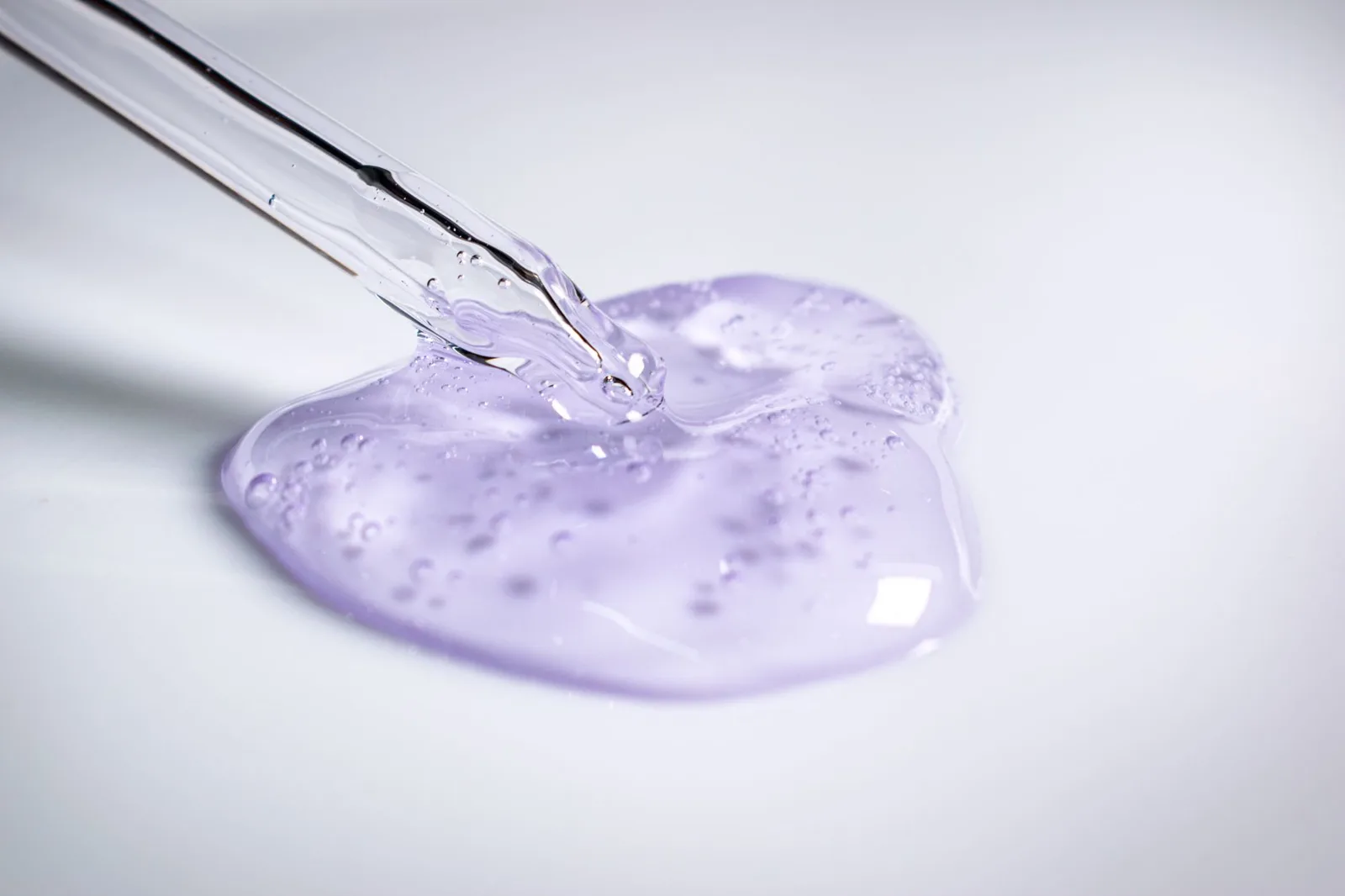
The most effective way to moisturize oily skin is to use a lightweight, oil-free gel or gel-cream. While it seems counterintuitive to add moisture to skin that already produces excess sebum, dehydration often triggers sebaceous glands to overproduce oil, creating a vicious cycle of shine and congestion.
Note: We’ve not personally tested these products. Our recommendations rely on published ingredient lists, manufacturer specifications, label claims, and established dermatological consensus.
Why Does Oily Skin Need a Moisturizer?
Oily skin produces excess sebum, but sebum is not the same as hydration. Hydration refers to the water content within your skin cells. When skin lacks that water, it becomes dehydrated, which signals the sebaceous glands to compensate by releasing even more oil. Applying a suitable moisturizer restores this water balance and supports the barrier, which eventually helps regulate oil production.
What Makes Oily Skin Worse?
Using harsh or heavily occlusive products can exacerbate surface shine and trigger breakouts. We’d suggest avoiding the following:
- Drying Alcohols: Denatured alcohol (alcohol denat.), SD alcohol, and isopropyl alcohol strip surface moisture, triggering a rebound increase in oil production.
- Heavy Occlusives: Petroleum, mineral oil, and heavy butters like cocoa butter trap sebum and dead skin cells, which is a recipe for clogged pores.
- Comedogenic Plant Oils: Ingredients with high comedogenic ratings, such as coconut oil, frequently block pores.
- Heavy Fragrances: Complex fragrance blends and concentrated essential oils often cause irritation, compromising your barrier health.
How Should You Choose a Moisturizer for Oily Skin?
Prioritize formulas designed for rapid absorption and oil control.
Optimal Formulas and Labels
- Gel, Gel-Cream, or Lightweight Lotions: These textures provide hydration without the heavy, greasy feel of traditional creams.
- Oil-Free: Formulations without added oils prevent unnecessary buildup.
- Non-Comedogenic: This label indicates a formula tested to minimize pore blockage.
Key Ingredients to Look For
- Humectants: Hyaluronic acid, glycerin, and panthenol (Pro-Vitamin B5) bind water to the skin without adding weight.
- Barrier & Oil Support: Niacinamide (Vitamin B3) regulates sebum and calms redness, while ceramides maintain the natural lipid barrier.
- Oil Control & Matte Finishers: Zinc PCA manages oil, while salicylic acid penetrates pores to clear out excess sebum. Ingredients like perlite, silica, and starches absorb shine.
- Lightweight Texture Enhancers: Squalane offers a dry-touch emollient feel; dimethicone provides a smooth finish and helps manage surface oil.
Recommended Product Options
- CeraVe Ultra-Light Moisturizing Gel (around $14): A fast-absorbing gel we’d start with for weightless daily hydration.
- Cetaphil Oil Absorbing Moisturizer SPF 30 (around $14): This is a solid choice if you want to combine oil-absorbing technology with daytime sun protection.
- Neutrogena Hydro Boost Water Gel (around $19.99): This relies on hyaluronic acid for a grease-free, water-based hydration boost.
- La Roche-Posay Toleriane Double Repair Face Moisturizer (around $11.49 – $24.99): We recommend this for those needing barrier support who also have reactive or sensitive skin.
While niacinamide and salicylic acid offer proven sebum management, individual results depend on the complete formula. Keep in mind that a general comedogenic rating doesn’t guarantee a product will be breakout-free for every user.
When Should You See a Dermatologist?
Over-the-counter options aren’t a cure-all for every skin issue. Consult a board-certified dermatologist if you encounter:
- Persistent, deep acne, painful cysts, or severe inflammation that fails to respond to non-comedogenic care.
- Chronic redness, peeling, or burning during the application of mild products, which signals a compromised barrier.
- Sudden, drastic changes in oiliness or severe breakouts that appear linked to hormonal shifts.
If you struggle with significant barrier damage, we would suggest starting with the La Roche-Posay Toleriane Double Repair Face Moisturizer to prioritize soothing before attempting to control oil.
Sources
- Oily Skin Needs Moisturizer Too! Your Guide to Hydrated, Happy Skin | Native
- shop.bohemiaskin.com
- Oily Skin Moisturizer: 12 Tips for Lightweight Hydration
- Top 10 Dermatologist-Recommended Moisturizers for Oily Skin -
- How To Choose a Facial Moisturizer for Oily Skin | CeraVe