Learning how to treat a burn right after an accident happens is essential for soothing pain and protecting your skin barrier. Minor skin burns usually respond well to basic first aid at home, where the primary goals are cooling the affected area, protecting the tissue, and managing discomfort.
What Causes Minor Skin Burns?
Minor skin burns usually happen from brief contact with household heat sources or environmental elements. Common triggers include touching hot pans or stove tops, contact with styling tools like curling irons, splashes of hot tap water or steam, and mild sunburn from solar exposure. These brief exposures damage the outer surface of the skin, leading to immediate redness, mild swelling, and localized pain.
What Makes a Minor Burn Worse?
Certain traditional home remedies and common mistakes can trap heat, irritate delicate tissue, and increase your risk of infection.
Here is what you should avoid to prevent further skin damage:
- Applying ice or icy water: Extreme cold can worsen tissue damage. Always stick to cool tap water.
- Using kitchen remedies: Putting butter, oils, or toothpaste on damaged skin traps heat inside the tissue and increases the risk of bacterial contamination.
- Popping blisters: Blisters act as a natural, sterile bandage for healing skin. Popping them leaves an open wound that’s vulnerable to infection. While medical professionals sometimes evaluate whether larger blisters need de-roofing, smaller blisters should always be left alone.
- Pulling stuck clothing: Forcing off fabric that has adhered to burned skin can tear fragile tissue.
How Do You Treat a Burn Step by Step?
If you need to know how to treat a burn safely at home, follow these essential first-aid steps immediately after the injury:
- Cool the area: Immediately run cool (not cold or icy) water over the burn for at least 5 to 10 minutes, or until the pain subsides. For burns on your face, apply a clean, cool, wet cloth.
- Remove constrictive items: Gently take off rings, watches, jewelry, or tight clothing near the area before swelling starts. Leave any clothing that’s stuck directly to the burn.
- Clean gently: Wash the burned skin gently using mild soap and water.
- Keep it moist: Apply a thin layer of soothing petroleum jelly or pure aloe vera gel to keep the skin hydrated. Routine antibiotic ointments are generally unnecessary and can sometimes cause allergic skin reactions.
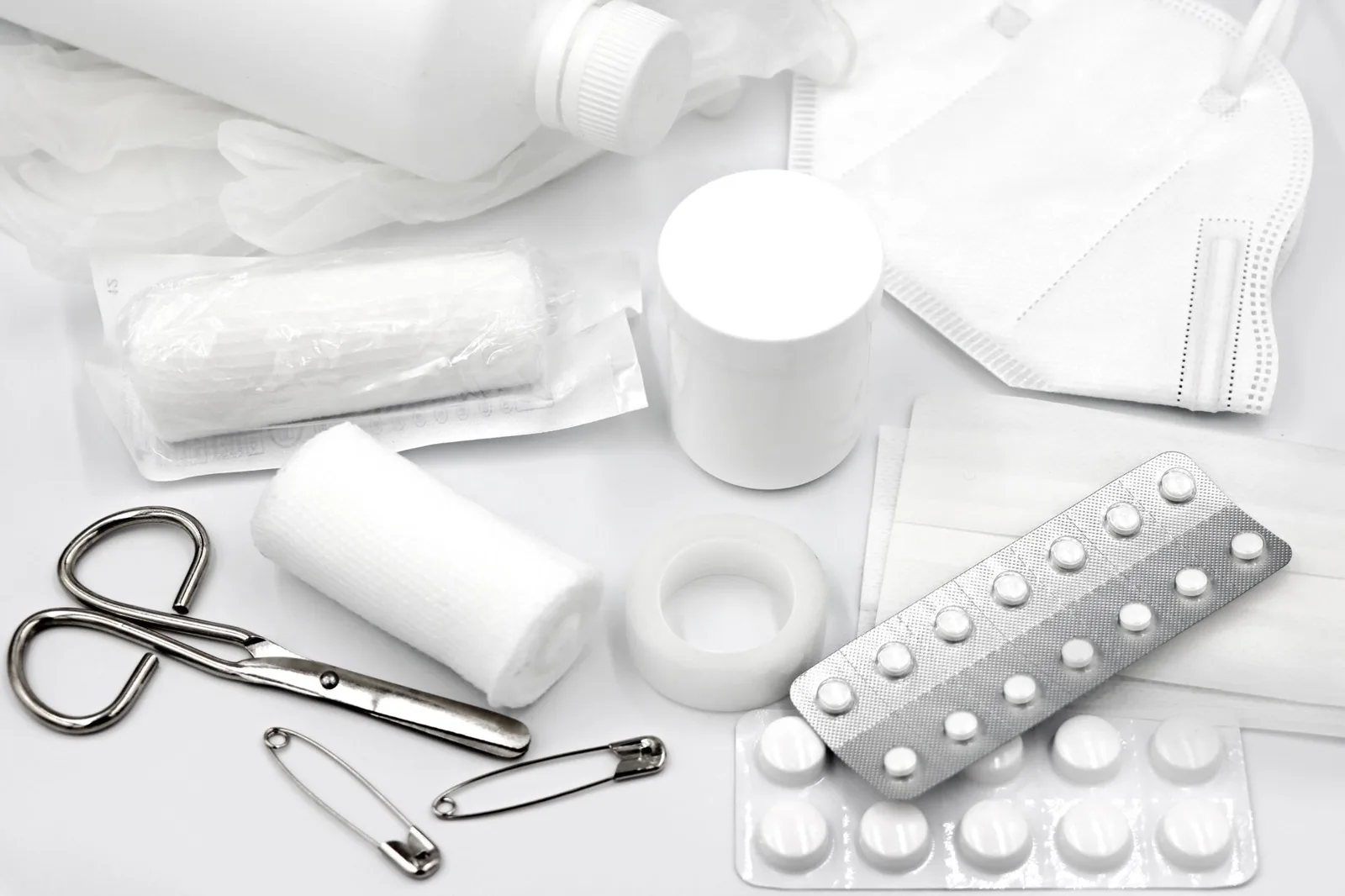
- Cover loosely: Protect the surface by loosely applying a clean, non-fluffy cloth or a non-stick sterile bandage. Temporary cling film can also serve as a protective layer. Superficial burns may only need to be covered for a day or two until the skin feels comfortable.
- Manage pain and stay hydrated: Over-the-counter pain relievers like acetaminophen (Tylenol) or ibuprofen (Advil or Motrin IB) can help control soreness. Drink plenty of water or electrolyte beverages if you feel dehydrated.
When Should You See a Dermatologist or Doctor?
While most minor burns heal quickly with simple home care, established dermatological consensus dictates professional attention for certain presentations.
Don’t delay seeing a doctor or dermatologist if you notice any of these signs:
- The burn is larger than the palm of your hand.
- The burn worsens over time or shows signs of infection, such as increased pain, redness, swelling, or oozing.
- The skin doesn’t show clear signs of healing within a few days.
- The burn affects vulnerable areas like your face, hands, major joints, or groin.
Sources
- mayoclinic.org
- Minor burns - aftercare: MedlinePlus Medical Encyclopedia
- How to treat a first-degree, minor burn
- pmc.ncbi.nlm.nih.gov
- Burn First Aid