When you purchase through links on our site, we may earn an affiliate commission. How it works.
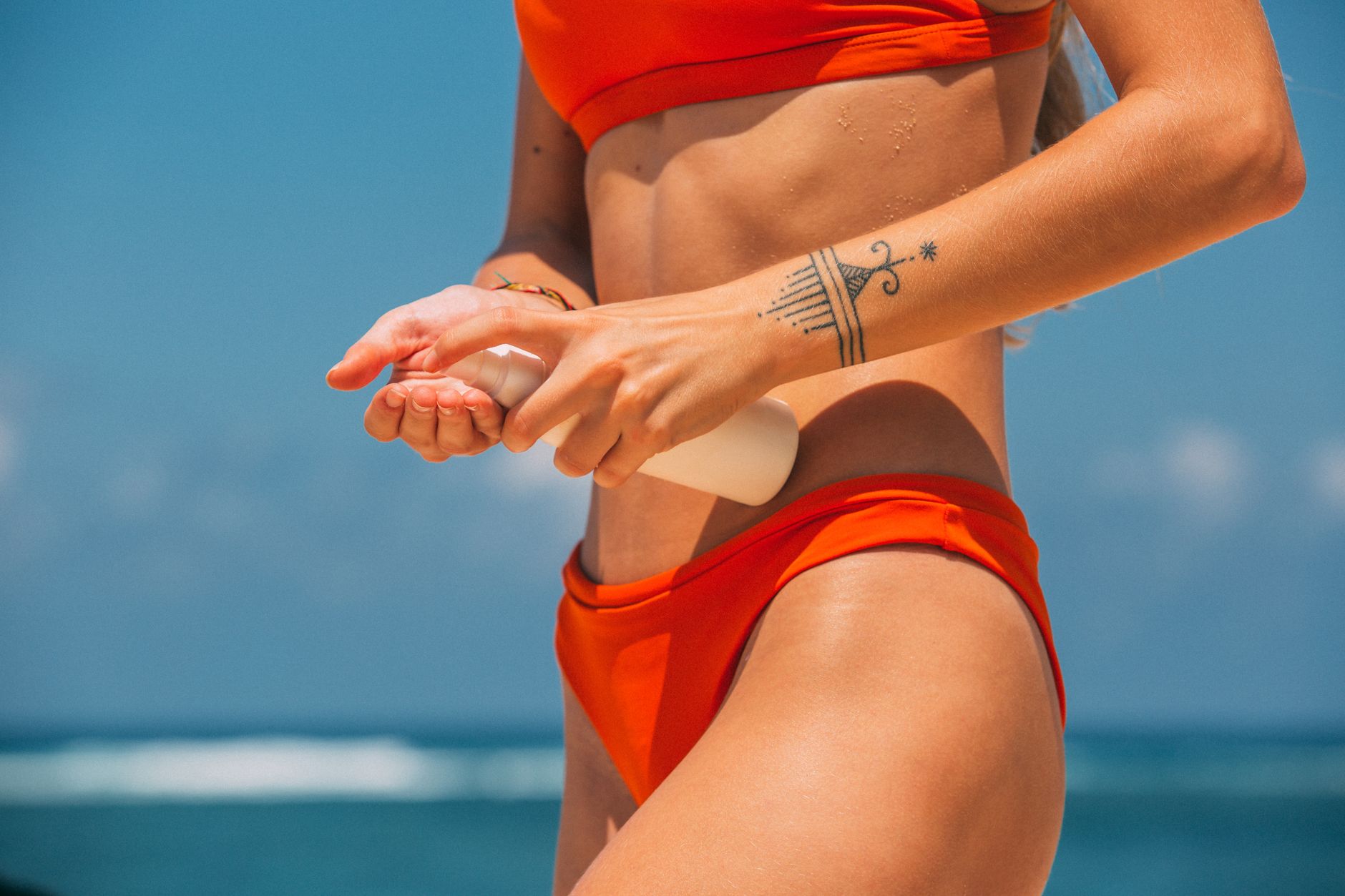
Yes, you can use sunscreen for your face on your body, but it’s generally not the most practical or economical choice for widespread application. While both types of sunscreen offer crucial UV protection, their formulations are often tailored to the distinct needs of facial and body skin.
Why Are Face and Body Sunscreens Different?
The primary difference between sunscreens designed for the face and those for the body lies in their formulation, texture, and added skincare benefits, which directly impact their cost and user experience. Facial skin is typically thinner, more sensitive, and has a higher density of oil glands, making it more prone to breakouts and irritation. Body skin, being thicker and generally less reactive, can tolerate richer, heavier formulations.
- Texture and Finish: Face sunscreens are often lightweight, non-comedogenic (meaning they won’t clog pores), and designed to absorb quickly without leaving a greasy residue or white cast. Many are formulated to wear seamlessly under makeup. In contrast, body sunscreens tend to be thicker and more spreadable to efficiently cover larger areas. While effective, their richer texture might feel heavy or cause breakouts on sensitive facial skin.
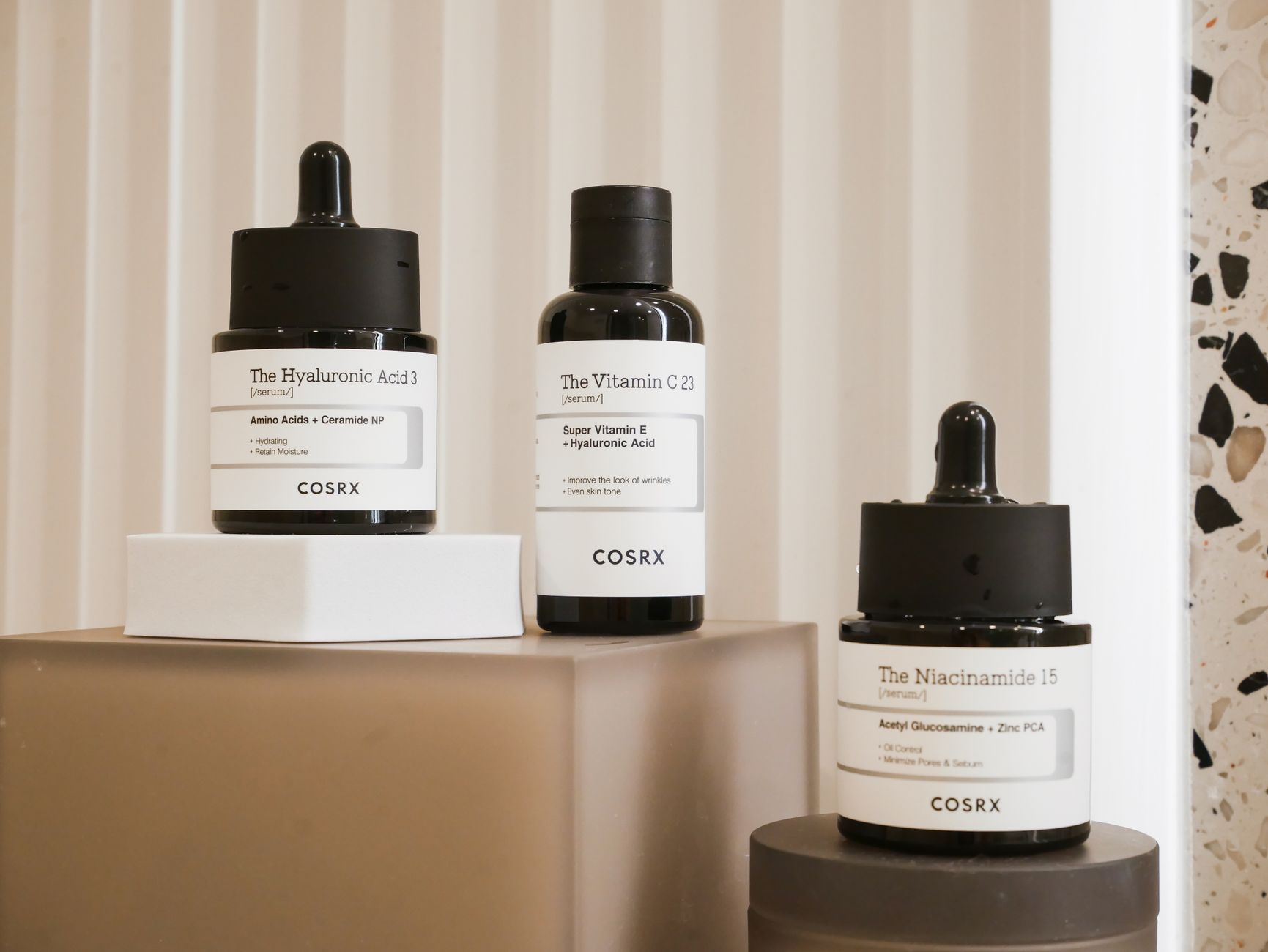
- Ingredients and Added Benefits: Facial sunscreens frequently include additional skincare ingredients such as antioxidants (like vitamin E), humectants (like hyaluronic acid), and soothing agents (like niacinamide) to address concerns like hydration, anti-aging, and sensitivity. Body sunscreens prioritize broad-spectrum protection and water resistance, often in larger volumes, making them more cost-effective for extensive application.
- Cost-Effectiveness: Due to specialized ingredients, lighter textures, and smaller packaging, face sunscreens typically have a higher price per ounce. Using a small, expensive tube of face sunscreen to cover your entire body would be costly and likely lead to using an insufficient amount for proper protection.
What are the Key Ingredients to Look For?
Related reading: Hyaluronic Acid Skincare Guide: How to Use It, Layer It, and Pick the Right Formula
Regardless of whether it’s for your face or body, we always recommend choosing a broad-spectrum sunscreen with an SPF of 30 or higher and water resistance if you’ll be swimming or sweating.
- Mineral Sunscreens: These use zinc oxide and/or titanium dioxide to physically block and reflect UV rays. They’re often recommended for sensitive skin.
- Chemical Sunscreens: These absorb UV radiation and convert it into heat, using active ingredients like avobenzone, homosalate, octisalate, and octocrylene.
Some sunscreens, referred to as hybrids, combine both mineral and chemical active ingredients.
When Should You Use Face Sunscreen on Your Body?
While not ideal for daily full-body coverage, there are specific situations where using your face sunscreen on your body makes sense:
- Targeted Sensitive Areas: If you have a specific, highly sensitive area on your body, like the neck, chest, or hands, that benefits from a gentler, non-comedogenic formula, using your face sunscreen there can be beneficial.
- Emergency Situations: If you’re caught without a body sunscreen, using your face sunscreen is always better than no protection at all. Remember to apply a generous amount—about one ounce for the entire body (the size of a shot glass)—and reapply every two hours, or more frequently if swimming or sweating.
- Small, Exposed Areas: For small, frequently exposed areas like the tops of your ears or the back of your hands during a quick outing, a dab of face sunscreen can suffice.
How to Choose the Right Sunscreen for Each Area
Related reading: Retinol for Beginners: The Complete Guide to Starting Safely
For optimal sun protection and skin health, we generally recommend having separate sunscreens for your face and body.
-
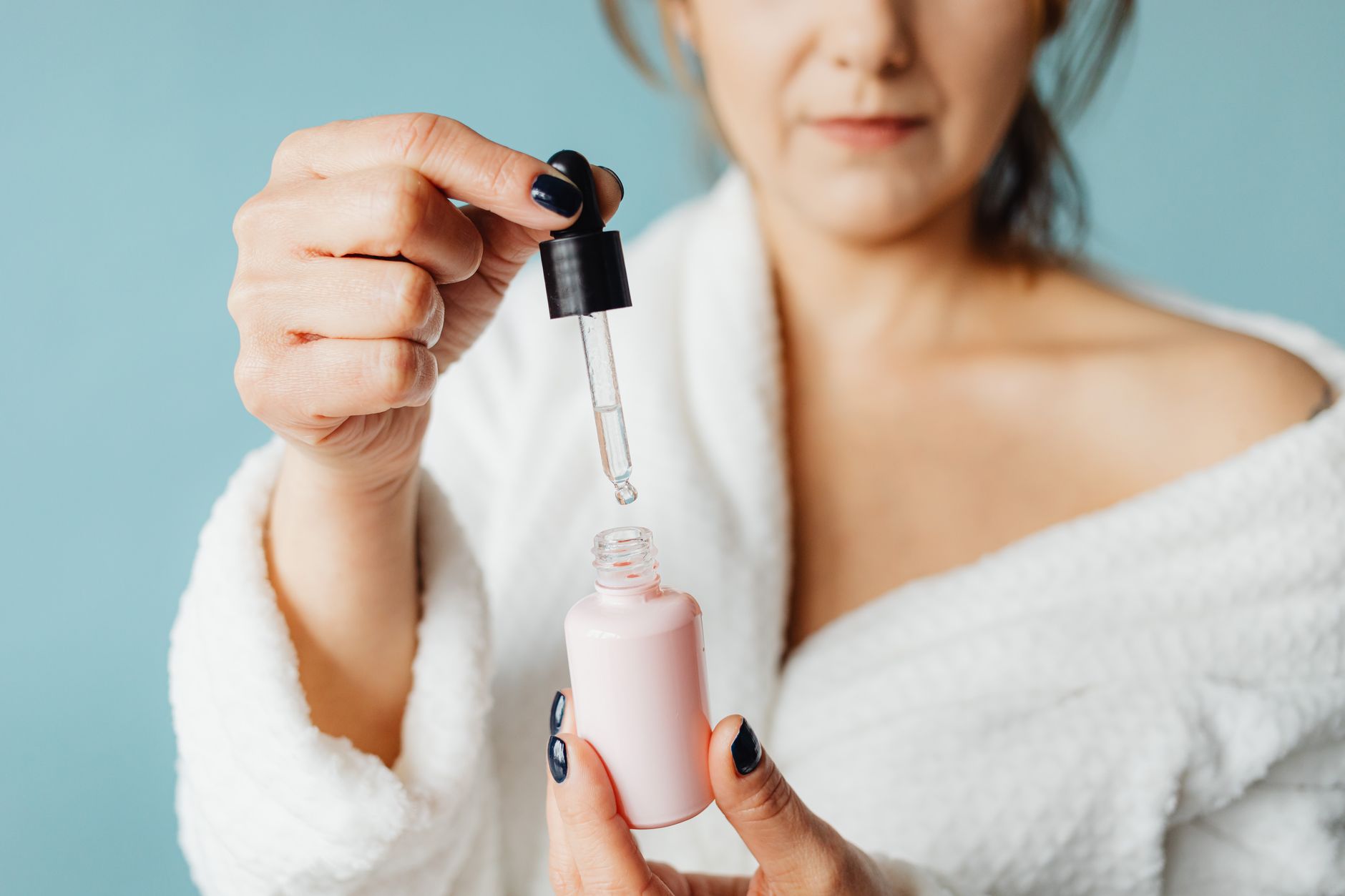
For Your Face: Look for formulations specifically labeled “for face” or “facial sunscreen.” These are often non-comedogenic, fragrance-free, and may contain additional skincare benefits suited for delicate facial skin.
-
EltaMD UV Clear Broad-Spectrum SPF 46 is a popular choice for sensitive, acne-prone, or rosacea-prone skin. It contains 9.0% zinc oxide and 7.5% octinoxate for broad-spectrum protection, along with niacinamide to help reduce redness and hyaluronic acid for hydration. Its oil-free, lightweight texture makes it suitable for daily wear, even under makeup. You can find EltaMD UV Clear Broad-Spectrum SPF 46 for around $36-$47 at the time of writing.
-
For Your Body: Prioritize broad-spectrum SPF 30 or higher and water resistance (80 minutes) if engaging in outdoor activities. Body sunscreens come in larger containers, offering a more economical way to cover extensive areas.
-
La Roche-Posay Anthelios Melt-in Milk Sunscreen SPF 60 is designed for both face and body, offering broad-spectrum protection with a non-greasy, fast-absorbing texture. It’s water-resistant for up to 80 minutes and formulated with Cell-Ox Shield® Technology, which includes antioxidants to protect against free radicals. This formula is often oil-free, fragrance-free, and non-comedogenic, making it a versatile option. Expect to find La Roche-Posay Anthelios Melt-in Milk Sunscreen SPF 60 for around $25-$37 depending on size.
-
Shop La Roche-Posay Anthelios Melt-in Milk Sunscreen SPF 60 on Amazon
Ultimately, consistency in applying broad-spectrum SPF 30+ sunscreen generously and reapplying every two hours (or after swimming/sweating) is the most critical factor for effective sun protection, regardless of whether it’s labeled for face or body.
Related Articles
- Peptides in Skincare: What They Do and Which Products Are Worth It for Mature Skin 2026
- Salicylic Acid Guide: How to Use It for Acne Without Over-Drying
- How to Fade Dark Spots: The Ingredients That Actually Work for Mature Skin
- Niacinamide Benefits for Skin: The Complete Ingredient Guide for 2026
Where to Buy

💬 Join the Conversation
Have thoughts on this article? We'd love to hear from you.