When you purchase through links on our site, we may earn an affiliate commission. How it works.
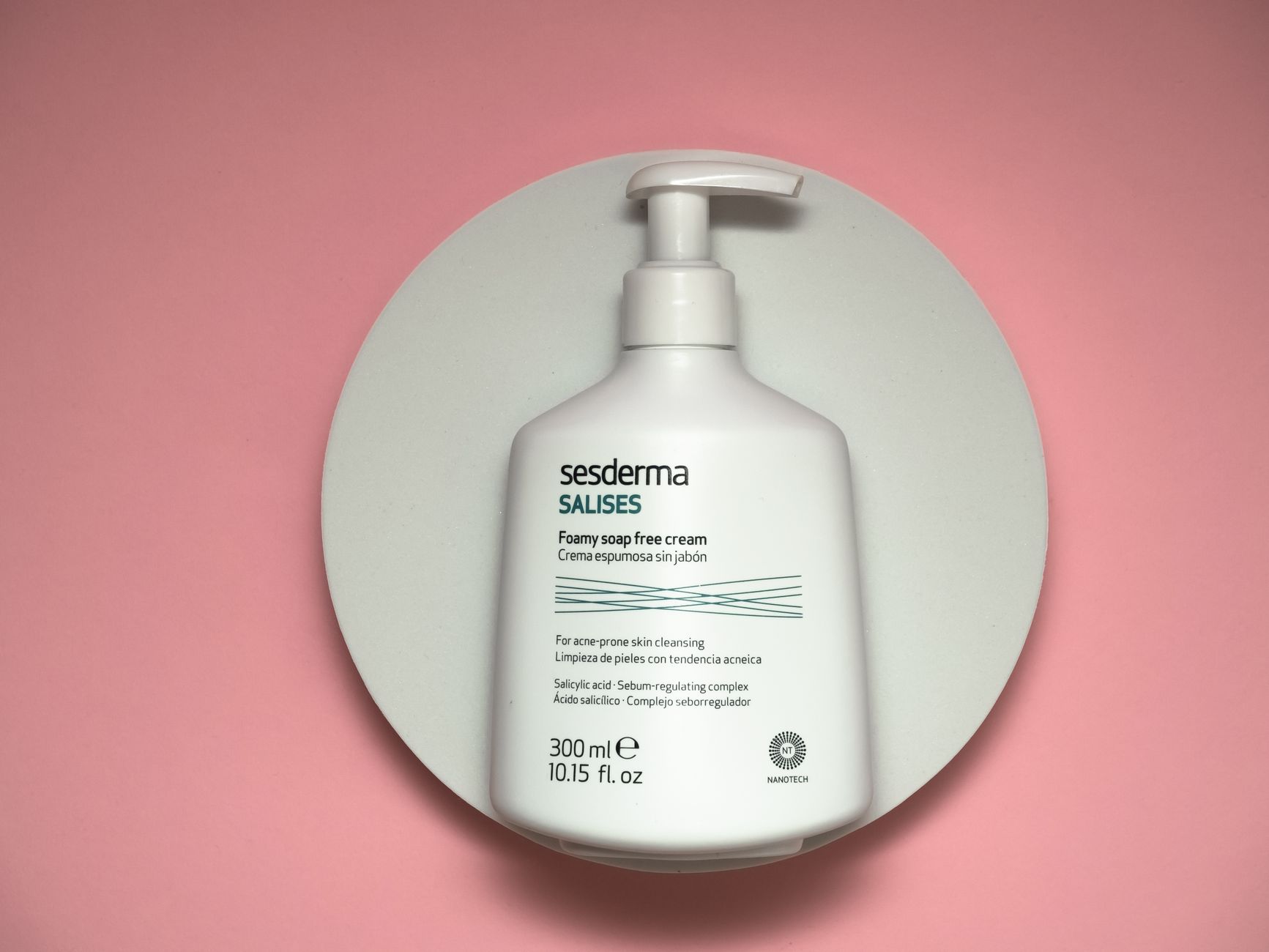
Yes, for many, daily salicylic acid is absolutely an option, especially if your skin is oily or acne-prone and has gradually adjusted to the ingredient. Gentle, wash-off cleansers containing salicylic acid are often well-tolerated from the start, even twice daily, because the contact time with skin is brief.
The Reasoning: Why Frequency Matters
Salicylic acid (SA), a beta hydroxy acid (BHA), is an oil-soluble exfoliant. It can penetrate deep into pores, dissolving excess oil and dead skin cells that cause blackheads, whiteheads, and breakouts. This makes it particularly effective for congested and acne-prone skin.
However, salicylic acid is also a potent active ingredient. Overuse, especially with leave-on products or higher concentrations, can lead to irritation, dryness, redness, flaking, or a compromised skin barrier. A damaged skin barrier can paradoxically lead to increased oil production and more breakouts.
How Salicylic Acid Works:
- Exfoliation: SA breaks down the bonds between dead skin cells, helping them shed more effectively from both the skin’s surface and within the pore lining.
- Oil Soluble: Its oil-soluble nature allows it to penetrate through sebum, clearing out clogged pores and managing excess oil production.
- Anti-inflammatory: Salicylic acid also possesses anti-inflammatory properties, which can help reduce the redness and swelling associated with acne.
- pH Level: For optimal effectiveness, leave-on salicylic acid products should have a pH between 3 and 4, which is compatible with the skin’s natural acidic pH. Rinse-off products may have a higher pH, offering more soothing benefits than strong exfoliation.
When the Answer Changes: Skin Type, Formulation, and Tolerance
Related reading: Hyaluronic Acid Skincare Guide: How to Use It, Layer It, and Pick the Right Formula
The ideal frequency for using salicylic acid depends largely on your individual factors:
-
Skin Type:
-
Oily and Acne-Prone Skin: This skin type generally tolerates daily use of salicylic acid well once adjusted. Consistent use can help manage excess oil and prevent breakouts.
-
Dry or Sensitive Skin: Daily salicylic acid use is generally not recommended for sensitive or dry skin. We’d suggest starting with 2-3 times per week and monitoring your skin’s response. If irritation occurs, reduce frequency or take a break. Gentle, low-concentration cleansers might be tolerated more frequently than leave-on treatments.
-
Combination Skin: You might find success using salicylic acid daily on oily areas (like the T-zone) and less frequently on drier areas.
-
Product Formulation:
-
Cleansers: Salicylic acid cleansers are generally milder because they’re rinsed off, limiting contact time. Most people can use a salicylic acid cleanser daily, or even twice daily, from the start.
-
Leave-on Treatments (Serums, Toners, Moisturizers): These products, typically containing 0.5% to 2% salicylic acid for exfoliation, require a slower introduction. We recommend starting 2-3 times per week and gradually increasing frequency as your skin builds tolerance over 4-6 weeks.
-
Concentration: Over-the-counter salicylic acid products usually contain between 0.5% and 2% of the active ingredient. Lower strengths may be better suited for daily use, while higher concentrations (e.g., 4-9% for stubborn concerns, or higher for warts/calluses) should be used less frequently.
-
Individual Tolerance: Your skin’s response is your ultimate guide. Signs of overuse include tightness, flaking, redness, stinging, increased sensitivity to other products, or even more breakouts. If you notice these signs, reduce the frequency or pause use to allow your skin barrier to recover.
How to Act On It: Incorporating Salicylic Acid into Your Routine
To safely incorporate salicylic acid, especially if you’re new to it or have sensitive skin, consider these steps:
- Start Slow and Low: Begin with a lower concentration (e.g., 0.5% or a wash-off cleanser) 2-3 times per week.
- Patch Test: Before applying a new salicylic acid product to your entire face, patch test it on a small, inconspicuous area (like behind the ear or on the inner wrist) for 24-48 hours to check for adverse reactions.
- Gradual Increase: If your skin tolerates it well after a few weeks, you can gradually increase the frequency. For leave-on products, this might mean moving to every other night, then eventually nightly if your skin remains comfortable.
- Listen to Your Skin: Pay close attention to how your skin feels. If you experience irritation, redness, dryness, or stinging, reduce the frequency or take a break.
- Moisturize: Always follow salicylic acid with a good moisturizer to help offset potential dryness and support your skin barrier. Ingredients like niacinamide, hyaluronic acid, and ceramides pair well with salicylic acid to soothe and hydrate the skin.
- Sun Protection: Salicylic acid can increase your skin’s sensitivity to UV exposure. Always use a broad-spectrum sunscreen with SPF 30 or higher during the day.
- Avoid Over-Exfoliating: Be cautious when combining salicylic acid with other strong active ingredients like retinoids (retinol, adapalene), other AHAs (glycolic acid, lactic acid), or physical exfoliants. We often recommend alternating these on different days or using salicylic acid in the morning and a retinoid at night.
Featured Products:
Related reading: Retinol for Beginners: The Complete Guide to Starting Safely
For those looking to incorporate salicylic acid, we recommend considering these options:
-
CeraVe Renewing SA Cleanser: This gentle, wash-off cleanser contains a blend of salicylic acid (around 0.8-1.2%), ceramides, niacinamide, and hyaluronic acid. It’s designed to exfoliate and smooth skin without compromising the skin’s natural barrier. Its mild formulation makes it a good option for daily use, especially for normal to acne-prone skin. This is the one we keep recommending for a gentle daily SA cleanse. Shop CeraVe Renewing SA Cleanser on Amazon
-
Paula’s Choice 2% BHA Liquid Exfoliant: A popular leave-on treatment, this liquid exfoliant contains 2% salicylic acid and green tea extract, which acts as an antioxidant and soothes irritated skin. It’s formulated at an optimal pH (between 3 and 4) to effectively unclog and refine pores, making it suitable for normal, combination, and oily skin types. We recommend starting with 2-3 times a week and gradually increasing frequency as tolerated. Genuinely, this is the one worth the money for a leave-on BHA. Shop Paula’s Choice 2% BHA Liquid Exfoliant on Amazon
FAQ
What are the signs of over-exfoliation with salicylic acid? Signs include increased sensitivity, dryness, tightness, redness, flaking, stinging upon product application, a shiny yet tight appearance, and even new breakouts in unusual areas. If you notice these, reduce frequency or take a break.
Can I use salicylic acid and retinol in the same routine? We generally recommend alternating salicylic acid and retinol on different nights, or using one in the morning and the other at night, to minimize irritation. Both are potent actives that can increase skin sensitivity. Some experienced users with tolerant skin may be able to use them in the same routine, but a gradual introduction and careful monitoring are essential.
How long does it take to see results from salicylic acid? It typically takes several weeks, often 3-4 weeks, to notice a difference in your skin when using salicylic acid consistently. Full effects may take longer, with clearer, more even skin visible around 8 weeks of consistent use (if tolerated). For managing existing congestion and preventing new breakouts, a daily SA cleanser like the CeraVe Renewing SA Cleanser is a great starting point.
Related Articles
- Peptides in Skincare: What They Do and Which Products Are Worth It for Mature Skin 2026
- Salicylic Acid Guide: How to Use It for Acne Without Over-Drying
- How to Fade Dark Spots: The Ingredients That Actually Work for Mature Skin
- Niacinamide Benefits for Skin: The Complete Ingredient Guide for 2026
Where to Buy

💬 Join the Conversation
Have thoughts on this article? We'd love to hear from you.