When you purchase through links on our site, we may earn an affiliate commission. How it works.
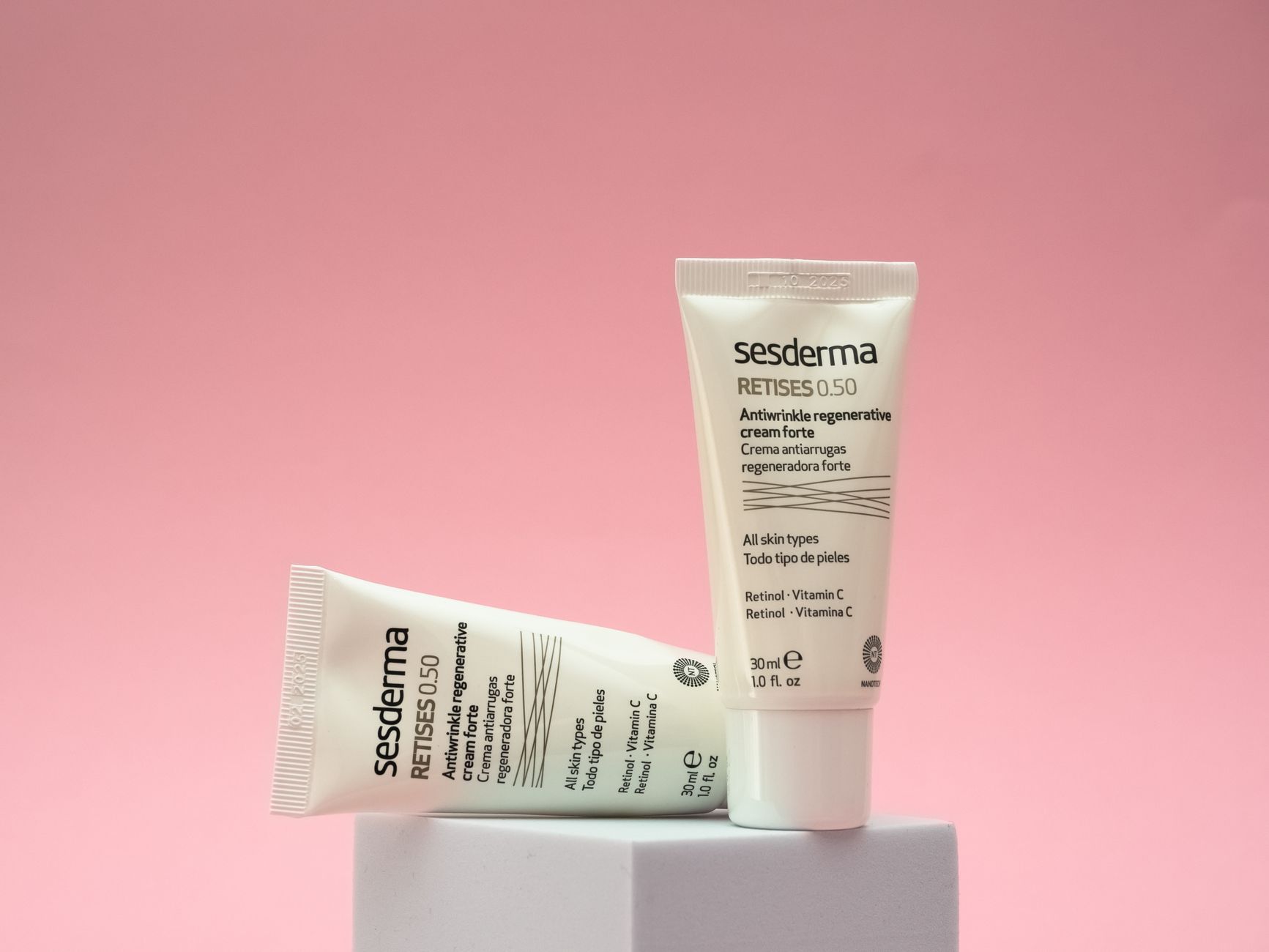
Yes, you can eventually use retinol every night, but it’s crucial to build your skin’s tolerance gradually rather than starting with daily application. Most dermatologists and skincare professionals recommend a slow introduction to this potent ingredient to minimize irritation and allow your skin to adjust.
The Science Behind Retinol and Skin Adjustment
Retinol, a derivative of Vitamin A, is celebrated for its ability to promote healthy cell growth and regeneration, boost collagen production, and reduce the appearance of fine lines, wrinkles, acne, and hyperpigmentation. However, its powerful mechanism of action, which involves accelerating skin cell turnover, can initially lead to a period of adjustment known as “retinization”.
During this retinization phase, your skin may experience common side effects such as dryness, redness, flaking, peeling, itching, and increased sensitivity, sometimes referred to as “retinol burn”. This occurs because retinol temporarily alters the skin’s barrier function. It thins and compacts the stratum corneum (the outermost layer) while thickening the living epidermis and dermis beneath it, which contributes to its long-term benefits. Overuse, especially at the beginning, can inflame the lipid layer of your skin, leading to increased sensitivity and a compromised barrier.
The goal is to allow your skin to “warm up” and strengthen its barrier, adapting to the retinol and tolerating it better over time. Consistent use, once tolerance is established, produces more pronounced collagen stimulation and skin improvement.
When the Answer Changes: Skin Type, Concentration, and Experience
Related reading: Hyaluronic Acid Skincare Guide: How to Use It, Layer It, and Pick the Right Formula
The ideal frequency for using retinol largely depends on individual factors:
- Skin Type:
- Sensitive or Dry Skin: These skin types are more prone to irritation, redness, and a burning sensation. We recommend starting with a very low concentration (0.25% or less) once a week and slowly increasing. The “sandwich method” (moisturizer, then retinol, then another layer of moisturizer) can help buffer the intensity.
- Oily or Acne-Prone Skin: These types might tolerate more frequent application initially, but a gradual approach is still best to prevent irritation. Retinol helps unclog pores, reducing breakouts and minimizing existing acne.
- Retinol Concentration: Products come in various strengths, from gentle over-the-counter options (0.25%-0.5%) to higher concentrations (0.5%-1%) and prescription retinoids, which are more potent. Beginners should always start with a low dose.
- Experience Level: If you’re new to retinol, a slow and low approach is paramount. Experienced users with well-acclimated skin may be able to use higher concentrations more frequently, even nightly.
How to Introduce Retinol into Your Routine Safely
To safely incorporate retinol and work towards nightly use, follow these concrete steps:
- Start Slow: Begin by applying a low-concentration retinol serum or cream just 1-2 nights a week for the first few weeks. This gives your skin time to acclimate without overwhelming it.
- Cleanse and Dry: Apply retinol to clean, completely dry skin in the evening. Applying it to damp skin can increase absorption and potential irritation.
- Use a Pea-Sized Amount: A small amount is all you need for your entire face and neck.
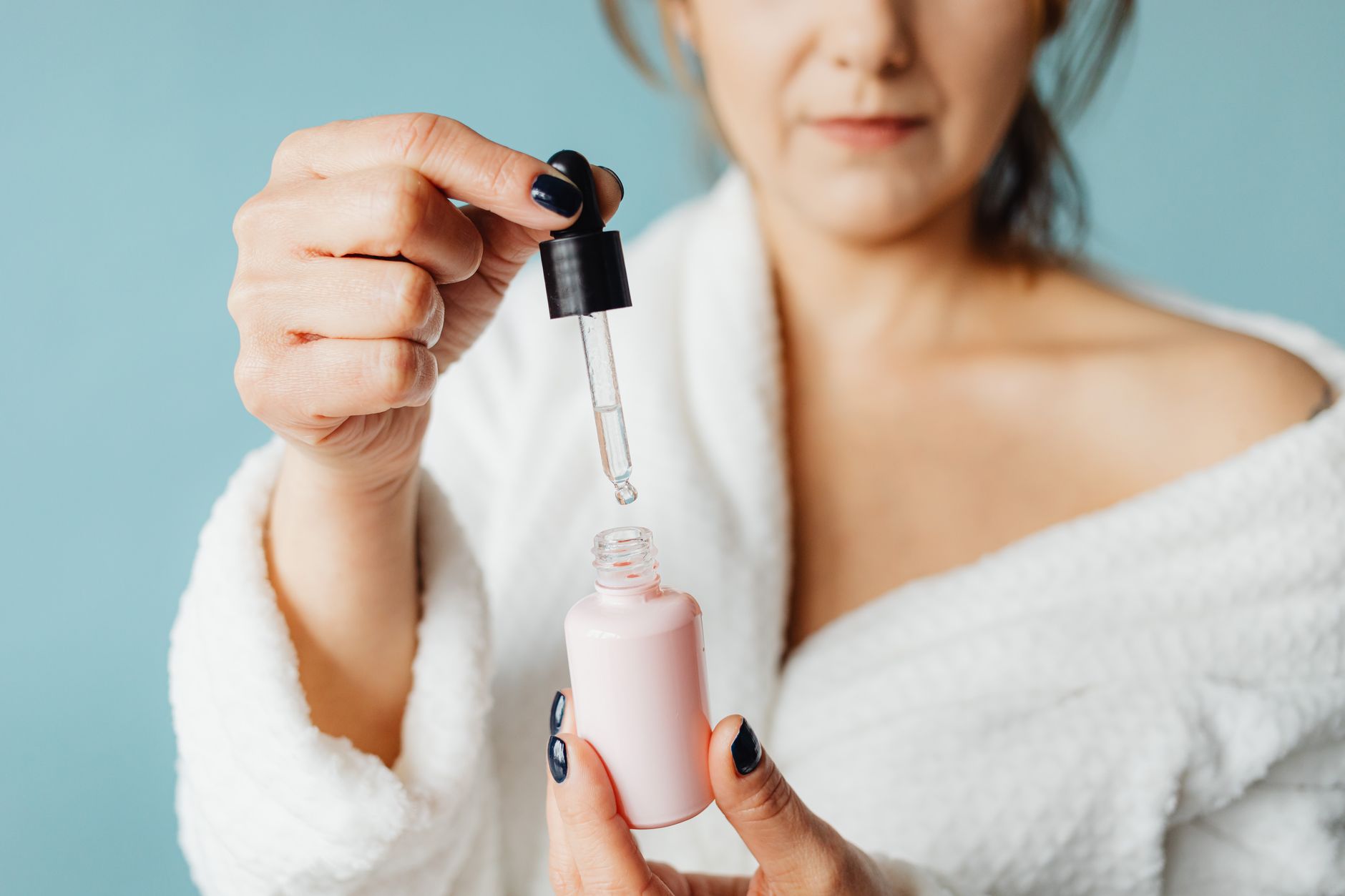
- Follow with Moisturizer: Always apply a soothing, hydrating moisturizer after your retinol to combat dryness and support your skin barrier. Look for ingredients like ceramides, hyaluronic acid, and glycerin.
- Listen to Your Skin: If you experience significant redness, peeling, burning, or discomfort, reduce the frequency of application or take a short break (3-5 days) until your skin recovers. Quality always beats quantity.
- Gradually Increase Frequency: If your skin tolerates the initial frequency, you can slowly increase to every other night, and then, if comfortable, to retinol every night. This process can take several weeks or even months.
- Sun Protection is Non-Negotiable: Retinol can increase your skin’s sensitivity to UV rays. Always apply a broad-spectrum sunscreen with SPF 30 or higher every morning, regardless of weather, to protect your skin and maximize retinol’s benefits.
Our Product Recommendations
For those looking to start their retinol journey or maintain a consistent routine, we recommend formulations that balance efficacy with skin comfort:
- For a well-rounded treatment: The Paula’s Choice CLINICAL 0.3% Retinol + 2% Bakuchiol Treatment is a great option. It combines a moderate 0.3% retinol with 2% bakuchiol, a plant-derived ingredient that can amplify retinol’s effects and help stabilize it, allowing it to work more effectively. This formulation also includes peptides and ceramides (Ceramide NG) to support skin firmness and the skin barrier, making it a powerful yet supportive choice for targeting fine lines, deep wrinkles, and uneven tone.
- For addressing post-acne concerns: The CeraVe Resurfacing Retinol Serum is an excellent choice. It features encapsulated retinol, which helps resurface the skin gradually, alongside niacinamide to soothe and brighten, and three essential ceramides (1, 3, and 6-II) to restore the protective skin barrier. Licorice root extract also helps reduce the appearance of post-acne marks, making it ideal for those seeking to improve skin texture and tone after breakouts.
Frequently Asked Questions
Related reading: Retinol for Beginners: The Complete Guide to Starting Safely
How long does it take for skin to adjust to retinol?
The initial adjustment period, often called retinization, typically lasts around three to four weeks, during which side effects like redness and dryness are common. However, individual experiences vary, and it can sometimes take longer for your skin to fully acclimate.
Can I use other active ingredients with retinol?
When starting retinol, it’s best to avoid using other strong active ingredients like AHAs, BHAs, or benzoyl peroxide on the same night, as this can increase irritation and compromise your skin barrier. Instead, alternate them on different nights or use them in your morning routine (with SPF).
What are the long-term benefits of using retinol?
Consistent, long-term use of retinol can lead to significant improvements in skin texture and tone, reduced appearance of fine lines and wrinkles, increased collagen production, minimized pores, and clearer skin by preventing clogged pores. These benefits become more pronounced as your skin builds tolerance and you maintain a regular routine.
Related Articles
- Peptides in Skincare: What They Do and Which Products Are Worth It for Mature Skin 2026
- Salicylic Acid Guide: How to Use It for Acne Without Over-Drying
- How to Fade Dark Spots: The Ingredients That Actually Work for Mature Skin
- Niacinamide Benefits for Skin: The Complete Ingredient Guide for 2026
Where to Buy

💬 Join the Conversation
Have thoughts on this article? We'd love to hear from you.