
When you purchase through links on our site, we may earn an affiliate commission. How it works.
Yes, you can use retinol and niacinamide together. We consistently recommend this pairing because these two ingredients enhance each other’s benefits while niacinamide helps reduce potential irritation from retinol. This combination creates a more effective anti-aging and skin-improving regimen, especially for those concerned about common retinoid side effects.
Why Retinol and Niacinamide Work Well Together
Retinol, a Vitamin A derivative, accelerates skin cell turnover, stimulates collagen, and improves the appearance of fine lines, wrinkles, uneven tone, and clogged pores. Its potency, however, can lead to dryness, redness, flaking, and sensitivity, particularly when you’re new to it.
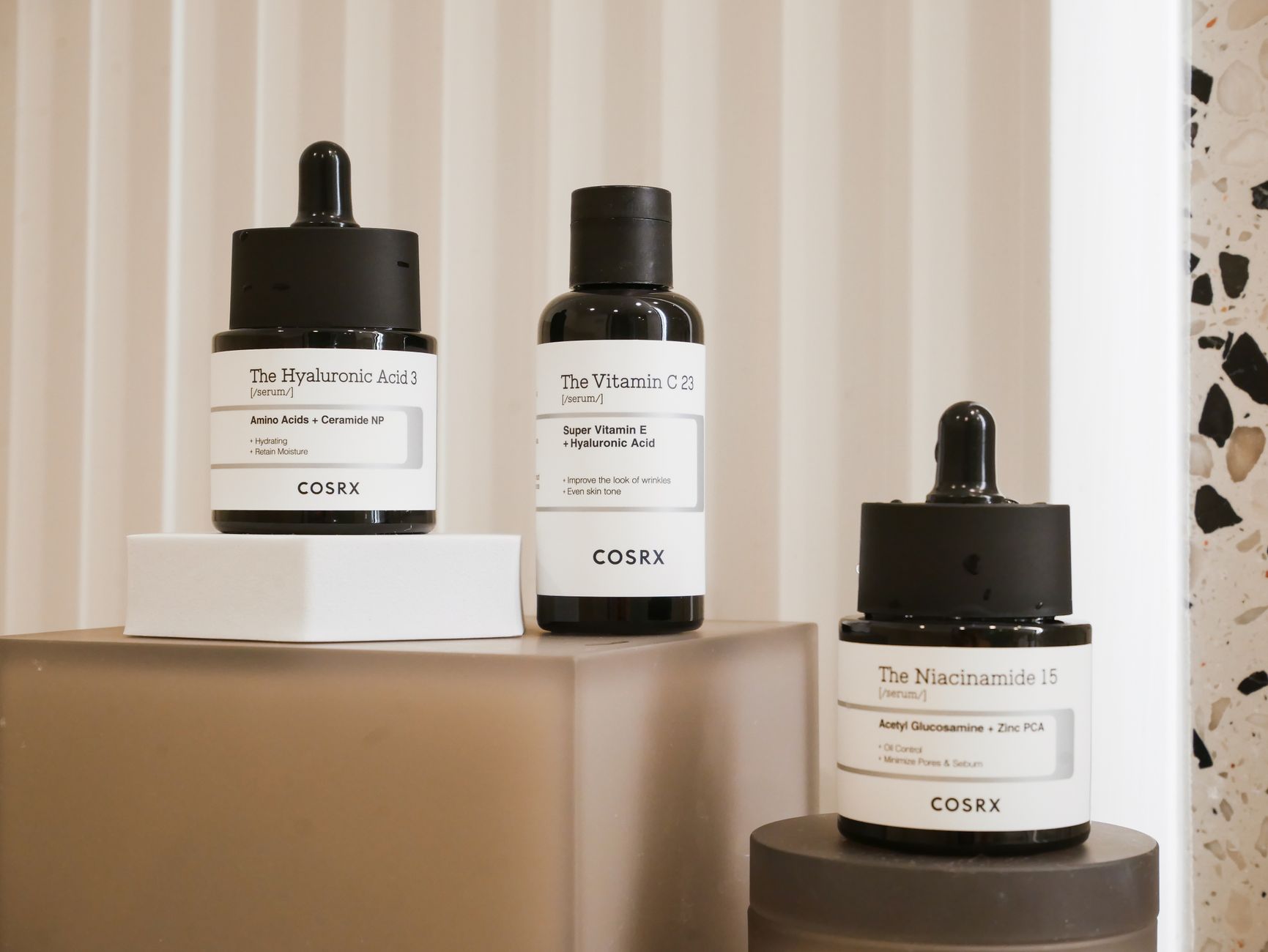
Niacinamide, or Vitamin B3, steps in as a crucial partner. It’s known for soothing and strengthening the skin barrier. Niacinamide helps fortify this barrier by increasing ceramide production, which is vital for retaining moisture and protecting against environmental aggressors. By doing this, niacinamide significantly mitigates retinol’s common side effects, helping skin tolerate the active ingredient better.
Beyond irritation control, niacinamide offers its own benefits: reducing inflammation and redness, balancing oil production, minimizing the look of pores, and brightening skin tone. When combined with retinol, you’re not just reducing irritation; you’re addressing multiple skin concerns simultaneously for clearer, healthier skin.
Do pH Levels Matter When Combining Them?
Related reading: Hyaluronic Acid Skincare Guide: How to Use It, Layer It, and Pick the Right Formula
Older concerns suggested niacinamide might interfere with retinol due to different pH requirements. However, modern formulations and research have largely clarified this: both ingredients are stable and effective across common skincare pH levels and don’t cancel each other out. Retinol is activated optimally between a pH of 5.5 and 6, while topical niacinamide works best at a pH of 5-7, showing good compatibility.
How to Incorporate Niacinamide with Retinol in Your Routine
Integrating these two ingredients into your evening routine is simple and highly beneficial. We recommend applying niacinamide before retinol.
- Cleanse: Start with a gentle cleanser.
- Apply Niacinamide: Apply your niacinamide serum or treatment. This starts its barrier-supporting work, creating a more receptive environment for the retinol. Allow 30 to 60 seconds for absorption.
- Apply Retinol: Follow with your retinol product.
- Moisturize: Finish with a hydrating moisturizer to minimize potential dryness.
For those with particularly sensitive skin or who are new to retinoids, consider the “sandwich method.” This means applying a layer of moisturizer first, then your retinol, and then another layer of moisturizer (which could be your niacinamide product or a separate hydrating cream). Alternatively, you can use niacinamide in the morning and retinol at night if you prefer to separate active ingredients.
Start Slowly: Introduce retinol gradually. Begin once or twice a week and slowly increase frequency as your skin builds tolerance. Niacinamide is gentle enough for daily use, both morning and night.
Always Use SPF: Retinol increases sun sensitivity. Daily use of a broad-spectrum sunscreen with at least SPF 30 in the morning is essential.
Product Spotlight
Related reading: Retinol for Beginners: The Complete Guide to Starting Safely
Many brands offer excellent formulations for integrating these ingredients.
For a gentle introduction to retinol that includes niacinamide, we suggest a product already formulated with both. The La Roche-Posay Retinol B3 Serum uses a retinol complex combining pure and gradual-release retinol for effectiveness and tolerability. It also contains Vitamin B3 (niacinamide) and glycerin to soothe and hydrate skin. This serum aims to reduce lines, wrinkles, and premature sun damage, even for sensitive skin. https://www.amazon.com/dp/B08552316N?tag=skp05b-20
If you’re looking for a potent retinol treatment to pair with a separate niacinamide serum, the Paula’s Choice CLINICAL 1% Retinol Treatment is a strong option. This formula contains 1% retinol, alongside peptides and vitamin C, to improve skin’s resilience, soften lines, minimize pores, and fade discoloration. It also includes soothing extracts like oat, willow bark, and licorice to help with potential sensitivity. We recommend pairing this treatment with a dedicated niacinamide serum to further enhance its benefits and comfort. https://www.amazon.com/dp/B0094921O2?tag=skp05b-20
This combination allows you to leverage retinol’s anti-aging power while keeping your skin calm and supported. For those new to retinoids, an all-in-one product like the La Roche-Posay serum offers a gentle start. If your skin is more tolerant, pairing a potent retinol like Paula’s Choice with a separate niacinamide serum provides maximum impact.
Related Articles
- Peptides in Skincare: What They Do and Which Products Are Worth It for Mature Skin 2026
- Salicylic Acid Guide: How to Use It for Acne Without Over-Drying
- How to Fade Dark Spots: The Ingredients That Actually Work for Mature Skin
- Niacinamide Benefits for Skin: The Complete Ingredient Guide for 2026
Where to Buy


💬 Join the Conversation
Have thoughts on this article? We'd love to hear from you.