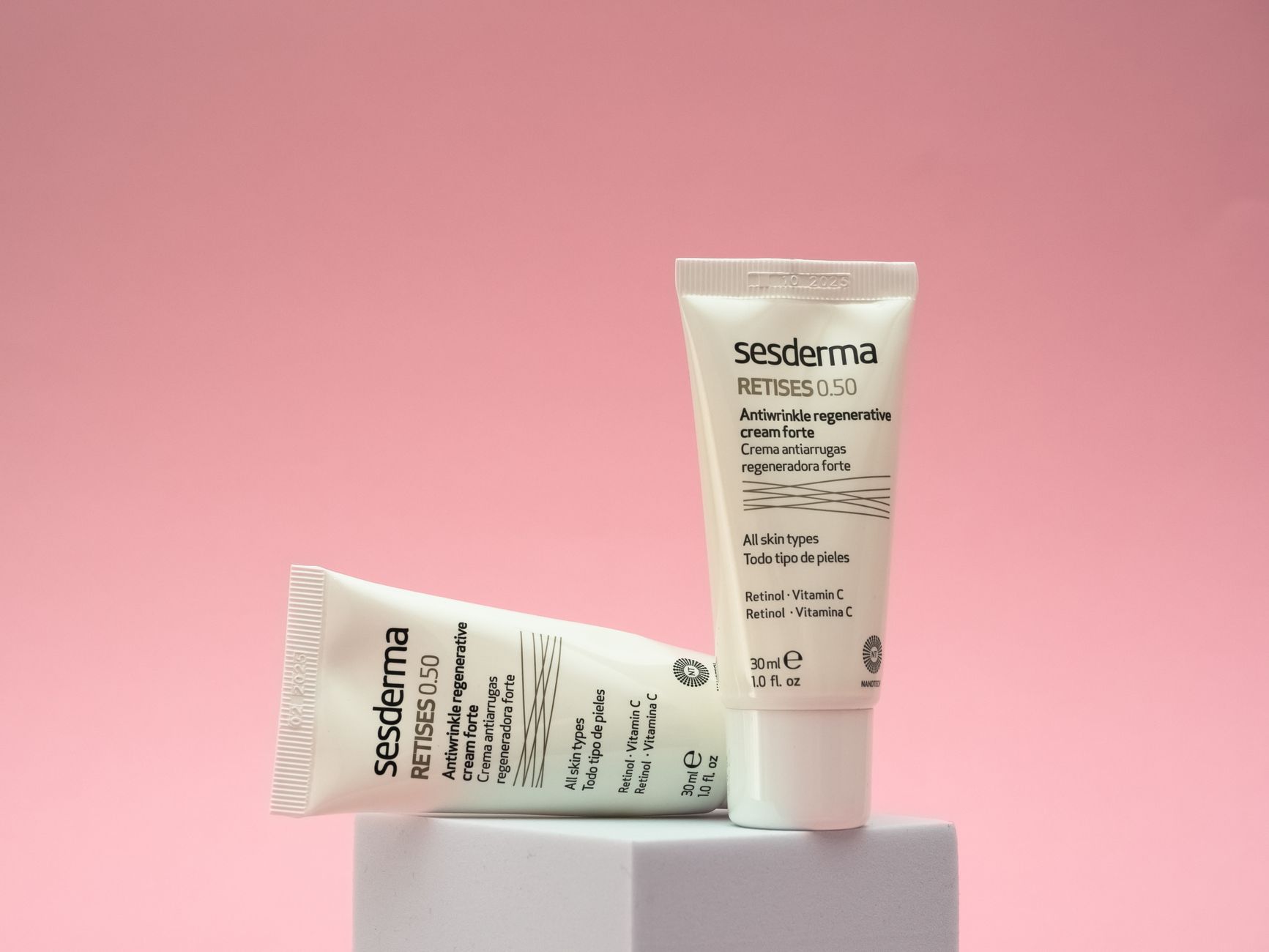
- Retinol purging is a temporary increase in breakouts as skin cells turn over faster, usually affecting areas where you typically experience acne.
- A true breakout from retinol signifies irritation, sensitivity, or an allergic reaction and can appear anywhere on the face, often accompanied by redness and dryness.
- Distinguishing between the two is key to knowing whether to persevere with retinol or adjust your routine.
The journey to smoother, clearer skin often involves exploring potent ingredients. Retinol purging versus breakout is a common point of confusion. When you introduce a powerful ingredient like retinol, it’s not uncommon to experience some initial skin changes. The excitement of using a science-backed ingredient can quickly turn into concern when new spots appear. This leads to a crucial question: Is this a sign the retinol is working, or that my skin doesn’t like it? Understanding the difference is fundamental. Honestly, the trade-off in formulation science for potent actives like retinol is balancing efficacy with potential irritation.
What to Look For When Choosing a Retinol Product
When embarking on your retinol journey, selecting the right product is crucial. It’s not just about the percentage. We believe in understanding the science behind the formulations. Several factors contribute to a retinol product’s efficacy and potential to cause irritation, impacting whether you experience retinol purging versus breakout.
Firstly, consider the type of retinoid. Retinol is most common OTC. Retinoic acid is the active form, but it requires a prescription. OTC retinoids need to be converted by skin enzymes. This multi-step process makes them gentler. Other forms, like retinaldehyde or esters, have different conversion pathways. For beginners, starting with a gentler form or lower concentration of retinol is often recommended.
Secondly, the concentration of retinol matters. Higher concentrations can offer faster results but increase irritation risk. Many suggest starting with 0.1% to 0.3% retinol. As your skin builds tolerance, you can gradually increase. Real talk, sometimes a high percentage listed could be a less potent ester, making it gentler. Always look for clarity in the ingredient list.
Thirdly, pay attention to the formulation and supporting ingredients. A well-formulated retinol product won’t just contain retinol. It will also include ingredients that support the skin barrier and buffer irritation. Look for ceramides, niacinamide, hyaluronic acid, and panthenol (Vitamin B5). These hydrate, soothe, and strengthen the skin. Conversely, products with high alcohol or harsh fragrances can exacerbate irritation.
Finally, the delivery system can play a role. Encapsulated retinol, for instance, releases the active ingredient more slowly. This reduces immediate impact and minimizes irritation. This controlled release benefits sensitive skin or those new to retinoids. Understanding these formulation nuances helps you navigate the vast array of products.
Retinol Purging vs Breaking Out: What’s Happening?
Related reading: Hyaluronic Acid Skincare Guide: How to Use It, Layer It, and Pick the Right Formula
Understanding the fundamental science behind retinol purging versus breakout is crucial. When you introduce retinol, you’re telling your skin cells to speed up their turnover rate. This is beneficial long-term, but it can temporarily disrupt the skin’s natural rhythm.
Retinol Purging: This is a phenomenon where your skin temporarily produces more oil and sheds dead skin cells faster. Retinol increases cell turnover. Clogged pores forming beneath the surface are brought up more quickly. This can result in a sudden appearance of pimples, blackheads, and whiteheads. The key characteristic of purging is that these blemishes typically appear where you’re already prone to breakouts. Think of it as retinol clearing out existing congestion. This is often seen as a positive sign. The skin’s natural exfoliation process is kickstarted. Any micro-comedones are making their appearance. This phase is temporary and usually subsides.
Breaking Out (Irritation/Adverse Reaction): In contrast, a true breakout from retinol signifies irritation or an adverse reaction. This happens when the retinol is too strong, used too frequently, or if your skin barrier is compromised. Instead of just bringing existing clogs to the surface, irritation can trigger new inflammation and breakouts. These breakouts might appear where you don’t typically experience acne. They can also be accompanied by redness, stinging, burning, peeling, and excessive dryness. This indicates the skin barrier is compromised. Unlike purging, which is a sign of adjustment, an irritated breakout signals the product is too harsh.
How to Differentiate Between Retinol Purging and a Breakout
Distinguishing between retinol purging versus breakout can feel like a guessing game. There are several key indicators. Paying close attention to your skin’s behavior is essential.
First, consider the location of the blemishes. Purging typically occurs in your usual breakout zones. If you tend to get pimples on your chin, forehead, or T-zone, and you see new blemishes there after starting retinol, it’s more likely purging. If you suddenly develop breakouts on your cheeks or jawline where you rarely get acne, it could be irritation.
Second, observe the type of blemishes. Purging often presents as an increase in papules and pustules. You might also notice more blackheads and whiteheads. These are typically clogged pores surfacing. Irritation-induced breakouts can manifest similarly, but they’re often accompanied by more widespread redness and inflammation.
Third, note the timeline and progression. Purging usually occurs within the first few weeks and tends to resolve within 4 to 6 weeks. The blemishes appear, mature, and clear up. If your breakouts persist longer than six weeks, or if they worsen, it’s a strong indication of irritation.
Fourth, look for accompanying symptoms of irritation. This is a critical differentiator. Signs include persistent redness, dryness, flaking, peeling, stinging, or increased sensitivity. Purging shouldn’t be accompanied by significant discomfort or visible signs of skin barrier disruption. If your skin feels tight or looks visibly inflamed beyond the actual pimples, it’s likely an adverse reaction.
Finally, consider your overall routine. Are you using multiple potent actives? Over-exfoliating? Have you introduced other new products? If you’ve been aggressive, a breakout might be cumulative. A balanced routine is key.
How Long Does Retinol Purging Last?
Related reading: Retinol for Beginners: The Complete Guide to Starting Safely
The duration of retinol purging versus breakout is a significant factor. Understanding the typical timeline for purging can help alleviate anxiety. Generally, how long does retinol purging last is a question with a variable answer, but most sources agree it’s temporary.
Most experts state that retinol purging typically lasts anywhere from 2 to 6 weeks. This timeframe aligns with the skin’s natural cell turnover cycle, which retinol accelerates. During this period, the skin sheds older cells and brings new ones to the surface, along with congestion. As the skin adjusts, the initial surge of blemishes should gradually subside.
It’s important to remember this is an average. Some individuals may experience a shorter purge, while others might see it extend closer to 6 weeks. Factors like skin type, retinol concentration, frequency, and your overall routine all influence this. For instance, someone with acne-prone skin might purge for less time.
If your breakouts continue beyond 6 weeks, or if they’re accompanied by significant redness or pain, it’s a strong indicator of irritation. In such cases, it’s advisable to reduce frequency, buffer with moisturizer, or consider a lower concentration. Continuing to push through significant irritation can damage your skin barrier.
What to Do If You Think You’re Experiencing Retinol Purging
If you suspect retinol purging versus breakout, the immediate urge might be to stop using the product. However, if you’ve assessed it’s purging, a strategic approach helps. The goal is to support your skin through this accelerated cell turnover without causing further irritation.
Firstly, continue using the retinol, but adjust the frequency. If you started nightly, try every second or third night. This gives your skin more time to recover. Listen to your skin; if it feels sensitive, back off further. The aim is consistent use at a pace your skin can tolerate.
Secondly, simplify your routine. This is crucial. Avoid other potent actives like AHAs or BHAs with retinol, especially during purging. Stick to a gentle cleanser, a hydrating serum, a good moisturizer, and sunscreen. This minimizes overwhelming your skin.
Thirdly, focus on hydration and barrier support. A compromised skin barrier can worsen breakouts. Use a rich, nourishing moisturizer. Look for ingredients like ceramides and glycerin. Avoid products with alcohol or strong fragrances.
Fourthly, be patient and consistent. Remember, purging is temporary. It’s a sign the retinol is working. By sticking with a gentle, supportive routine, you’ll likely see improvement once this phase passes. If you’re unsure or experiencing severe irritation, consulting a dermatologist is always a good idea.
Which Retinol Products Are Best for Beginners?
When you’re just starting out with retinoids, choosing the right product can feel overwhelming. The key is to opt for formulations that are gentle yet effective. Understanding retinol purging versus breakout helps guide this selection. We’ve looked at formulations that balance potency with skin-soothing ingredients.
For beginners, it’s often recommended to start with a lower concentration of retinol, typically 0.1% to 0.3%. Additionally, looking for products with encapsulated retinol or retinol esters can provide a gentler introduction. Encapsulation technology allows for a slower release. Retinol esters are further from retinoic acid, making them milder.
Products that also include barrier-supporting ingredients are excellent choices. Ingredients like niacinamide, ceramides, panthenol, and hyaluronic acid can help hydrate, soothe, and strengthen your skin. These ingredients buffer potential dryness and redness.
It’s also worth considering the overall formulation. A cream base can be more moisturizing than a serum. A lightweight serum might be preferable for oily skin. Ultimately, the best beginner retinol is one you can use consistently without significant discomfort.
Comparison Table: Beginner-Friendly Retinol Options
| Product | Key Ingredient | Best For | Price Range |
|---|---|---|---|
| Paula’s Choice CLINICAL 1% Retinol Treatment | 1% Retinol | Those with significant experience with retinoids, targeting advanced concerns. | $55–$65 |
| The Ordinary Granactive Retinoid 2% Emulsion | Granactive Retinoid | Beginners seeking a potent yet less irritating alternative to retinol. | $15–$25 |
| RoC Retinol Correxion Deep Wrinkle Night Cream | 0.1% Retinol (approx.) | Budget-conscious beginners looking for an effective, accessible retinol. | $18–$28 |
| CeraVe Resurfacing Retinol Serum | Encapsulated Retinol | Beginners with acne-prone or textured skin, seeking gentle resurfacing. | $15–$22 |
| La Roche-Posay Redermic R Retinol Cream | 0.1% Retinol | Beginners with sensitive skin looking for a soothing and effective formula. | $35–$45 |
Price ranges are approximate and subject to change based on retailer and promotions.
Detailed Reviews: Top Retinol Picks
Paula’s Choice CLINICAL 1% Retinol Treatment
This potent treatment from Paula’s Choice is formulated with a high concentration of 1% retinol. It’s a powerhouse for those with significant experience using retinoids and targeting advanced signs of aging and stubborn acne. While not typically recommended for absolute beginners, its formulation includes soothing ingredients like bisabolol and oat extract to help mitigate potential irritation. It also contains peptides and ceramides. The texture is a lightweight cream. For those who have built up tolerance, this product can deliver remarkable results. However, introducing this product requires careful acclimation.
Verdict: A high-strength retinol treatment for experienced users seeking dramatic anti-aging and skin-refining results, requiring careful integration.
Paula’s Choice CLINICAL 1% Retinol Treatment
The Ordinary Granactive Retinoid 2% Emulsion
The Ordinary’s Granactive Retinoid 2% Emulsion offers a compelling alternative for those who find traditional retinol too irritating. This formula uses Granactive Retinoid (hydroxypinacolone retinoate). It interacts directly with retinoid receptors without many conversion steps. This means it can offer similar benefits to stronger retinoids with significantly reduced irritation. It’s an excellent option for beginners or those with sensitive skin. The emulsion base is hydrating and easy to apply. It aims to reduce fine lines, wrinkles, and uneven tone.
Verdict: An advanced retinoid solution for beginners or sensitive skin, providing potent results with a lower risk of irritation.
The Ordinary Granactive Retinoid 2% Emulsion
RoC Retinol Correxion Deep Wrinkle Night Cream
RoC is a brand synonymous with accessible and effective retinol. Their Correxion Deep Wrinkle Night Cream has been a staple. This cream is formulated with retinol and antioxidants. It helps combat visible signs of aging. While the exact concentration isn’t always stated, it’s generally considered effective, often around 0.1% to 0.3%. The formula is designed for nightly use. It’s a rich, emollient cream that provides good hydration. It’s a solid, budget-friendly choice for those new to retinol. My only gripe is the slightly heavier texture might not suit very oily skin.
Verdict: A classic, wallet-friendly retinol cream that delivers on reducing wrinkles and improving texture, ideal for beginners.
RoC Retinol Correxion Deep Wrinkle Night Cream
CeraVe Resurfacing Retinol Serum
The CeraVe Resurfacing Retinol Serum is a fantastic option for beginners, particularly those dealing with post-acne marks and uneven skin texture. This serum features encapsulated retinol. It ensures a controlled release, minimizing irritation potential. It’s also fortified with niacinamide and ceramides. The lightweight serum texture makes it easy to layer. CeraVe’s approach provides effective skincare that’s gentle enough for daily use. This serum is a great entry point for improving skin tone and texture.
Verdict: A gentle, effective serum for beginners aiming to improve texture and reduce post-acne marks, with excellent barrier support.
CeraVe Resurfacing Retinol Serum
La Roche-Posay Redermic R Retinol Cream
La Roche-Posay’s Redermic R Retinol Cream is specifically formulated for those new to retinol or with sensitive skin. It contains a carefully calibrated amount of pure retinol and liposome-encapsulated retinol. This dual-delivery system allows for a potent yet controlled release. The cream also includes hepes and niacinamide. Its texture is a comfortable cream. This product is a great choice for individuals seeking to address fine lines without experiencing significant purging or irritation.
Verdict: A dermatologist-recommended retinol cream for sensitive skin and beginners, balancing effective anti-aging with a gentle, soothing formula.
La Roche-Posay Redermic R Retinol Cream
How to Build a Retinol Routine Safely
Incorporating retinol into your routine requires a thoughtful approach. Here are expert-backed tips to help you build a successful regimen, especially concerning retinol purging versus breakout.
- Start Slow and Low: Begin with a low concentration (0.1% - 0.3%) and apply only two to three times per week. Apply on clean, dry skin in the evening. As your skin tolerates it, gradually increase frequency.
- Buffer with Moisturizer: To minimize irritation, apply your retinol product after a layer of moisturizer. This creates a buffer. You can also mix retinol with your moisturizer.
- Cleanse Gently: Use a mild cleanser before applying retinol. Avoid harsh scrubbing. Ensure your skin is completely dry before applying retinol.
- Hydrate and Nourish: Retinol can lead to dryness. Counteract this with a hydrating serum and a robust moisturizer. Look for ingredients like hyaluronic acid and ceramides.
- Protect with Sunscreen: Retinol makes your skin more sun-sensitive. Always apply a broad-spectrum SPF 30+ every morning. This is non-negotiable.
Frequently Asked Questions About Retinol Purging
Q1: How do I know if my skin is purging or just breaking out from retinol? A: Purging typically appears in usual breakout areas and resolves within weeks. True breakouts from irritation often appear in new areas and may have redness or peeling.
Q2: Is retinol purging bad for my skin? A: No, retinol purging is temporary. It’s a sign the ingredient is working. However, if you experience significant irritation, it may be an adverse reaction.
Q3: Can I use other acne treatments while experiencing retinol purging? A: It’s best to simplify your routine and avoid other potent acne treatments when you first start retinol. Combining too many actives can increase irritation.
Q4: Should I stop using retinol if I think I’m purging? A: If you suspect purging and your skin isn’t overly irritated, it’s often recommended to continue but reduce frequency. If you experience significant discomfort, back off and consult a professional.
Q5: How long does it typically take for retinol purging to stop? A: Retinol purging usually lasts between 2 to 6 weeks. This timeframe aligns with increased cell turnover. Your skin should improve afterwards.
Conclusion: Embracing Retinol for Healthier Skin
Navigating the initial stages of retinol use, particularly understanding retinol purging versus breakout, is a common hurdle. By recognizing purging—temporary blemishes in usual spots—versus irritation—new breakouts with redness—you can make informed decisions. Remember, consistency, gentle care, and proper sun protection are your allies.
The key to successfully incorporating retinol lies in starting slowly, listening to your skin, and supporting its natural barrier. While the journey might involve a temporary increase in blemishes, the long-term rewards are well worth the effort. Honestly, if you’re looking for effective formulations to begin, the CeraVe Resurfacing Retinol Serum can provide a gentle yet effective introduction. Embrace the process for healthier skin.
Related Articles
- Peptides in Skincare: What They Do and Which Products Are Worth It for Mature Skin 2026
- Salicylic Acid Guide: How to Use It for Acne Without Over-Drying
- How to Fade Dark Spots: The Ingredients That Actually Work for Mature Skin
- Niacinamide Benefits for Skin: The Complete Ingredient Guide for 2026
Where to Buy

💬 Join the Conversation
Have thoughts on this article? We'd love to hear from you.