When you purchase through links on our site, we may earn an affiliate commission. How it works.
Quick Answer box
- Beginners: Start with lower concentrations, typically 0.1% to 0.25%, to minimize irritation and allow skin to adapt.
- Intermediate Users: After consistent use and no irritation, consider moving to 0.3% to 0.5% for enhanced benefits.
- Experienced Users: For stubborn concerns like deep wrinkles, 0.5% to 1% retinol can be effective, but always with careful introduction and monitoring.
Introduction
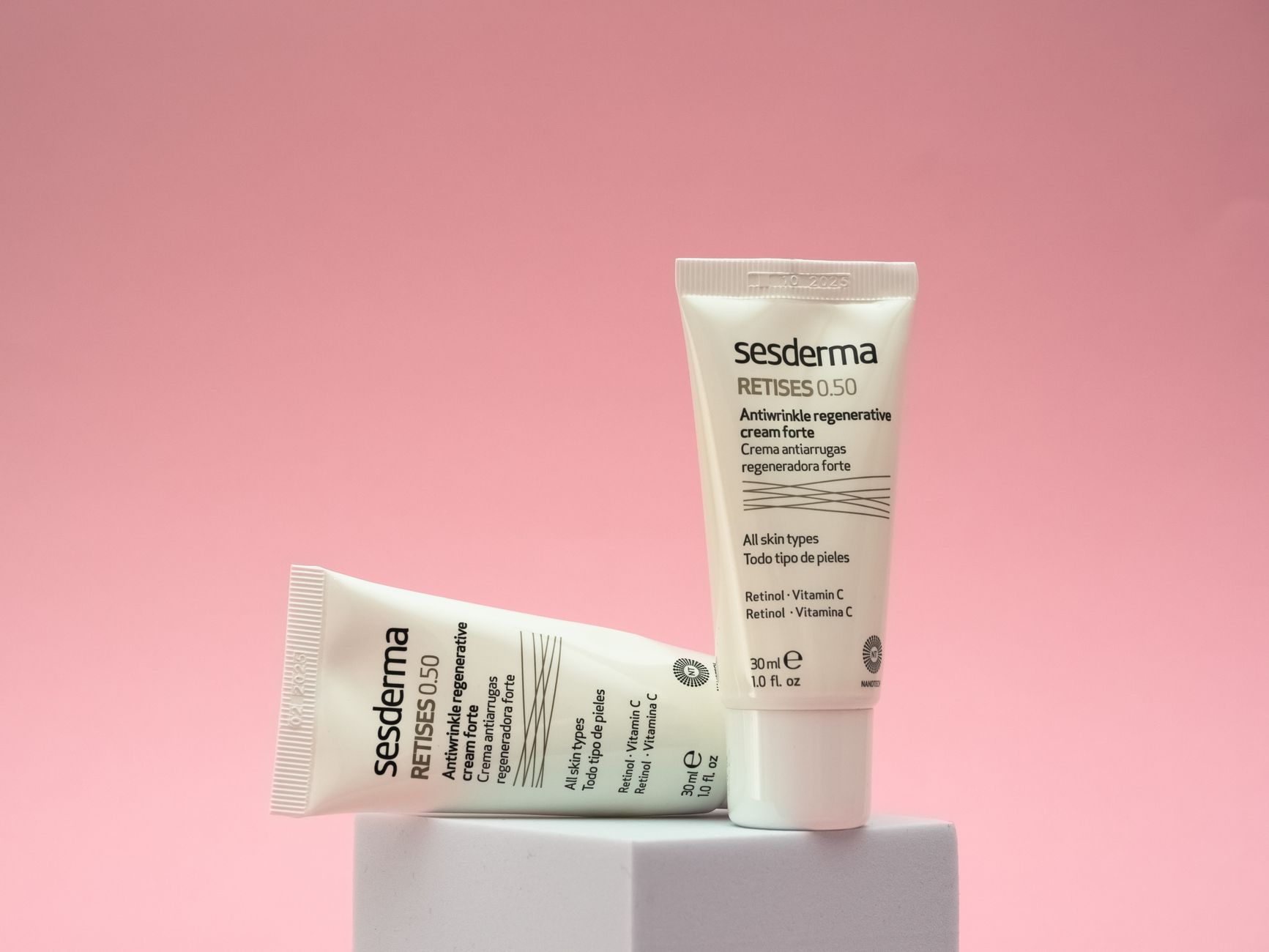
Understanding retinol strengths explained is crucial for anyone looking to incorporate this powerhouse ingredient into their skincare routine. A common misstep we observe is the assumption that a higher percentage automatically equates to better or faster results, leading many to jump into strong formulations too quickly. This often results in irritation, redness, and peeling, which can deter users from experiencing retinol’s long-term benefits. We believe in a smarter, science-backed approach: starting with a lower concentration and gradually increasing as your skin adapts. Retinol, a derivative of Vitamin A, is celebrated for its ability to promote cell turnover, stimulate collagen production, and improve the appearance of fine lines, wrinkles, and uneven skin tone. But the magic isn’t just in using retinol; it’s in using the right percentage for your skin’s unique needs and tolerance. From the gentlest 0.1% to the more potent 1% formulations, each concentration offers distinct advantages and challenges. Our guide aims to demystify these percentages, helping you navigate the options with confidence and achieve radiant, resilient skin.
What is Retinol and Why Does Percentage Matter?
Related reading: Hyaluronic Acid Skincare Guide: How to Use It, Layer It, and Pick the Right Formula
Retinol is a type of retinoid, which are derivatives of Vitamin A. When applied to the skin, retinol is converted into retinoic acid, the active form that communicates with skin cells to trigger a host of beneficial processes. These include accelerating cellular turnover, boosting collagen synthesis, and reducing the breakdown of existing collagen. The result? Smoother texture, diminished fine lines and wrinkles, improved skin elasticity, and a more even skin tone.
The percentage of retinol in a product refers to the concentration of the active ingredient. This concentration directly influences how much retinoic acid your skin will ultimately receive, and consequently, the potential for both benefits and side effects. It’s not just about the number; it’s about the bioavailability and conversion rate within the skin.
Lower percentages (0.1% - 0.25%) are excellent for beginners or those with sensitive skin. They still deliver significant anti-aging benefits over time but with a much lower risk of irritation, dryness, and redness, often referred to as “retinization.” This initial phase of adjustment is common, and a gentler start helps the skin gradually build tolerance. Think of it as a marathon, not a sprint; consistent, gentle use is more effective than intermittent use due to irritation.
Mid-range percentages (0.3% - 0.5%) are suitable for individuals who have already acclimated to lower concentrations and want to step up their game. At these levels, you’ll likely see more pronounced improvements in texture, fine lines, and hyperpigmentation. The skin has already built some tolerance, making the transition smoother, though a mild retinization period can still occur. These concentrations strike a good balance between efficacy and manageability for many users.
Higher percentages (0.5% - 1%) are potent and typically reserved for experienced retinol users who have stubborn concerns like deeper wrinkles, significant sun damage, or persistent texture issues. While these concentrations can yield dramatic results, they also come with a higher likelihood of irritation, especially during the initial weeks. Formulations at this strength often include soothing and hydrating ingredients to help buffer the potential side effects. It’s crucial to introduce these slowly, perhaps only a few nights a week, and always listen to your skin.
Beyond just the percentage of pure retinol, it’s also important to consider the type of retinoid. For instance, some products use retinyl esters (like retinyl palmitate), which are milder and require more conversion steps, making them less potent than pure retinol. Others feature retinaldehyde (retinal), which is one step closer to retinoic acid than retinol, meaning it’s often more potent and works faster than pure retinol at comparable percentages. Then there are granactive retinoids, which are often marketed as gentler but effective alternatives. These are typically complexes of hydroxypinacolone retinoate (HPR), a direct retinoic acid ester, meaning it doesn’t need to be converted to retinoic acid in the skin and can be less irritating while delivering similar benefits. Understanding these distinctions helps in making a more informed choice beyond just the percentage number.
Another critical factor in how retinol performs is its delivery system and overall formulation. Encapsulated retinol, for example, is released slowly into the skin, reducing irritation even at higher percentages. The presence of ceramides, hyaluronic acid, niacinamide, and other emollients in a formula can significantly mitigate potential dryness and support the skin barrier, making a retinol product more tolerable. The pH range of the product can also influence stability and penetration, though most well-formulated retinol products are designed to optimize these factors. Ultimately, the “best” retinol percentage isn’t a universal number; it’s the highest concentration your skin can comfortably tolerate and consistently use without excessive irritation, while still delivering the desired results.
Comparison Table
| Product | Key Ingredient | Best For | Price Range |
|---|---|---|---|
| RoC Retinol Correxion Deep Wrinkle Night Cream | 0.1% Pure Retinol, Mineral Complex | Beginners, sensitive skin, first-time retinol users | $18–$28 |
| Paula’s Choice CLINICAL 1% Retinol Treatment | 1% Pure Retinol, Peptides, Vitamin C | Experienced retinol users, stubborn wrinkles, advanced anti-aging | $55–$65 |
| The Ordinary Granactive Retinoid 2% Emulsion | 2% Granactive Retinoid (HPR), Squalane | Beginners to intermediate, sensitive skin seeking gentle efficacy | $10–$15 |
| CeraVe Resurfacing Retinol Serum | Encapsulated Retinol, Ceramides, Niacinamide | Mild acne marks, uneven texture, maintaining skin barrier | $15–$20 |
| La Roche-Posay Redermic R Retinol Cream | 0.3% Pure Retinol, Lipo-Hydroxy Acid | Intermediate users, fine lines, uneven texture, sensitive to irritation | $45–$55 |
| Olay Regenerist Retinol24 Night Serum | Retinoid Complex (Retinyl Propionate, Retinol) | All skin types, hydration, anti-aging benefits without irritation | $25–$35 |
Detailed Reviews
Related reading: Retinol for Beginners: The Complete Guide to Starting Safely
RoC Retinol Correxion Deep Wrinkle Night Cream 0.1% Pure Retinol
The RoC Retinol Correxion Deep Wrinkle Night Cream stands out as an excellent entry point into the world of retinol. Featuring a 0.1% concentration of pure retinol, it’s formulated to be gentle enough for beginners or those with sensitive skin who are prone to irritation. This cream is designed to work overnight, leveraging your skin’s natural regeneration cycle to reduce the appearance of fine lines and deep wrinkles over time. The inclusion of a mineral complex helps to support the skin’s barrier, further minimizing potential dryness or flaking often associated with retinol. Its rich, moisturizing texture ensures that skin feels hydrated and comfortable, making the retinization process smoother and more manageable. Users can expect to see gradual improvements in skin texture and luminosity with consistent use, building a solid foundation for more potent treatments if desired in the future. Verdict: An ideal, well-tolerated option for introducing pure retinol into a routine without overwhelming the skin.
Shop RoC Retinol Correxion Deep Wrinkle Night Cream on Amazon
Paula’s Choice CLINICAL 1% Retinol Treatment
For those whose skin has already acclimated to lower concentrations of retinol, the Paula’s Choice CLINICAL 1% Retinol Treatment offers a powerful step up. This formula boasts a 1% pure retinol concentration, positioning it as a highly effective solution for more advanced signs of aging, including deep wrinkles, stubborn sun damage, and significant loss of firmness. Beyond the high-strength retinol, it’s enriched with a blend of peptides, Vitamin C, and plant-derived antioxidants that work synergistically to boost collagen production, brighten the complexion, and protect against environmental stressors. The elegant, lightweight lotion texture absorbs quickly, making it suitable for various skin types, though it’s paramount to introduce this product slowly. Start by using it 1-2 times a week and gradually increase frequency as your skin builds tolerance, always pairing with a rich moisturizer. Verdict: A potent, multi-active treatment best suited for experienced retinol users seeking significant improvements in advanced signs of aging.
Shop Paula’s Choice CLINICAL 1% Retinol Treatment on Amazon
The Ordinary Granactive Retinoid 2% Emulsion
The Ordinary Granactive Retinoid 2% Emulsion provides a compelling alternative for those seeking retinoid benefits with potentially less irritation than traditional retinol. This product features a 2% concentration of Granactive Retinoid, which is a complex of hydroxypinacolone retinoate (HPR). HPR is a direct retinoic acid ester, meaning it doesn’t require the multi-step conversion process that pure retinol does to become active in the skin. This can translate to comparable efficacy with a lower likelihood of the redness and peeling commonly associated with retinol. The emulsion also contains squalane, a lightweight emollient that provides hydration and helps support the skin barrier, further enhancing its gentle profile. It’s an excellent choice for beginners looking for something more potent than a very low-percentage retinol, or for intermediate users with sensitive skin. Verdict: A gentle yet effective retinoid option suitable for beginners or those with sensitive skin who desire the benefits of a stronger retinoid without the typical irritation.
Shop The Ordinary Granactive Retinoid 2% Emulsion on Amazon
CeraVe Resurfacing Retinol Serum
The CeraVe Resurfacing Retinol Serum is uniquely formulated to address post-acne marks and improve skin texture while supporting the skin’s natural barrier. This serum contains an encapsulated retinol, which is designed for a gradual, sustained release into the skin. This slow-release mechanism significantly reduces the potential for irritation, making it a suitable option for those with sensitive or blemish-prone skin who are new to retinoids or have experienced sensitivity with other forms. Crucially, the formula is enriched with three essential ceramides, hyaluronic acid, and niacinamide. These ingredients work in harmony to restore and maintain the skin’s protective barrier, provide hydration, and calm redness. By focusing on both efficacy and skin barrier health, CeraVe makes retinol accessible for improving skin tone and reducing the appearance of pores and marks without compromising comfort. Verdict: An excellent choice for addressing mild acne marks and uneven texture, particularly for those concerned about maintaining a healthy skin barrier.
Shop CeraVe Resurfacing Retinol Serum on Amazon
La Roche-Posay Redermic R Retinol Cream
The La Roche-Posay Redermic R Retinol Cream offers a balanced approach for intermediate retinol users or those with sensitive skin who are ready to move beyond beginner concentrations. This cream features a 0.3% pure retinol concentration, which is considered effective for tackling fine lines, wrinkles, and uneven skin texture. What sets it apart is its combination with Lipo-Hydroxy Acid (LHA), a derivative of salicylic acid. LHA provides a micro-exfoliating action that gently helps to refine skin surface and enhance the penetration of retinol, without causing excessive irritation. The formula is also designed with soothing agents to mitigate potential discomfort, making it a good choice for those who might find stronger retinols too harsh but still desire noticeable anti-aging results. It’s best used gradually, starting a few nights a week, to allow the skin to adapt comfortably. Verdict: A well-balanced retinol cream for intermediate users seeking effective anti-aging benefits with careful consideration for sensitivity.
Shop La Roche-Posay Redermic R Retinol Cream on Amazon
Olay Regenerist Retinol24 Night Serum
The Olay Regenerist Retinol24 Night Serum is formulated to deliver consistent anti-aging benefits with a focus on hydration and minimal irritation, making it suitable for a wide range of skin types, including those new to retinol. This serum contains a proprietary retinoid complex that includes retinyl propionate and retinol. This blend is engineered to optimize efficacy while minimizing the common side effects of retinoids. The “24” in its name refers to its promise of 24-hour hydration, which is delivered through ingredients like niacinamide and amino peptides, which also contribute to skin barrier health and overall skin resilience. The serum has a lightweight, non-greasy texture that absorbs quickly, leaving the skin feeling smooth and moisturized. It aims to visibly improve fine lines, wrinkles, smoothness, brightness, and firmness, all without the dryness often associated with other retinol products. Verdict: A hydrating and well-tolerated retinoid serum that delivers broad anti-aging benefits, suitable for both beginners and regular users seeking comfort and efficacy.
Shop Olay Regenerist Retinol24 Night Serum on Amazon
How to Build a Routine with Retinol: Expert Tips
Incorporating retinol into your skincare routine requires a thoughtful and gradual approach to maximize benefits and minimize irritation. Here are 4 practical tips to guide you:
- Start Low and Go Slow: If you’re new to retinol, begin with a low concentration (0.1% to 0.25%) and use it only 2-3 nights a week. Apply a pea-sized amount to clean, dry skin after cleansing. Gradually increase frequency as your skin builds tolerance, moving to every other night, then nightly, before considering a higher percentage product. Patience is key to preventing the dreaded “retinol uglies” (redness, flaking, dryness).
- Buffer or Sandwich Method: For sensitive skin or during the initial retinization phase, consider the buffering method. Apply a layer of plain moisturizer before your retinol, then apply retinol, and follow with another layer of moisturizer. This can help dilute the retinol’s immediate impact while still allowing it to work. Alternatively, the “sandwich method” involves moisturizer, then retinol, then more moisturizer.
- Prioritize Sun Protection: Retinol increases skin’s sensitivity to the sun. This is non-negotiable: always apply a broad-spectrum sunscreen with an SPF of 30 or higher every morning, regardless of the weather. Even on cloudy days, UV radiation can penetrate and undo the benefits of your retinol, potentially causing more damage. Sunscreen is your retinol’s best friend.
- Listen to Your Skin and Keep it Hydrated: Pay close attention to how your skin responds. If you experience excessive redness, stinging, or peeling, scale back on frequency or switch to a lower percentage. Ensure your routine includes plenty of hydrating and barrier-supporting ingredients like hyaluronic acid, ceramides, and niacinamide to counteract potential dryness from retinol. Avoid combining retinol with other strong actives like AHAs/BHAs or Vitamin C in the same application, especially when starting out.
FAQ
What retinol percentage should a beginner use?
A beginner should start with a lower retinol percentage, typically between 0.1% and 0.25%. This allows the skin to gradually adapt to the ingredient, minimizing common side effects like redness, dryness, and peeling. Consistent use at a lower strength is more beneficial than intermittent use of a higher strength due to irritation.
How long does it take to see results from retinol?
Results from retinol use are not immediate and require consistent application over time. Most users typically begin to notice visible improvements in skin texture and tone within 8 to 12 weeks. More significant changes in fine lines, wrinkles, and hyperpigmentation can take 6 months to a year or even longer.
Can I use retinol every night?
Whether you can use retinol every night depends on your skin’s tolerance and the product’s strength. Beginners should start 2-3 times a week and gradually increase frequency. Once your skin has fully acclimated to a specific percentage without irritation, you may be able to use it nightly.
Is 0.5% retinol strong?
A 0.5% retinol concentration is considered a moderate to strong percentage. It’s generally recommended for individuals who have already built up tolerance to lower concentrations (0.1%-0.25%) without significant irritation. This strength can deliver more pronounced anti-aging benefits but requires careful introduction.
Should I use a retinoid or pure retinol?
The choice between a retinoid (like granactive retinoid) and pure retinol depends on your skin’s sensitivity and desired results. Granactive retinoids are often touted as gentler alternatives that can provide similar benefits to retinol with less irritation, making them good for sensitive skin. Pure retinol, especially at higher percentages, is a well-researched and potent option for more advanced concerns, but it typically requires a longer adjustment period.
Conclusion
Navigating the various retinol percentages can feel complex, but with the right knowledge, you can confidently choose the best path for your skin’s anti-aging journey. Remember, the key to success with retinol lies in understanding your skin’s tolerance, starting with a lower concentration like 0.1% to 0.25% if you’re a beginner, and gradually increasing strength as your skin adapts. Products ranging from the gentle RoC Retinol Correxion Deep Wrinkle Night Cream to the potent Paula’s Choice CLINICAL 1% Retinol Treatment offer excellent options across the spectrum of strengths, each formulated with unique considerations for efficacy and comfort. Prioritize consistency, hydration, and diligent sun protection, and you’ll unlock the transformative power of retinol for smoother, more youthful-looking skin. The journey may take time, but the science-backed benefits are well worth the commitment.
Explore a wide range of retinol products on Amazon to find your perfect match
Related Articles
- Peptides in Skincare: What They Do and Which Products Are Worth It for Mature Skin 2026
- Salicylic Acid Guide: How to Use It for Acne Without Over-Drying
- How to Fade Dark Spots: The Ingredients That Actually Work for Mature Skin
- Niacinamide Benefits for Skin: The Complete Ingredient Guide for 2026
Where to Buy

💬 Join the Conversation
Have thoughts on this article? We'd love to hear from you.