Quick Answer
- Mandelic acid is a gentle alpha hydroxy acid (AHA) derived from bitter almonds, known for its larger molecular size which allows for slower, less irritating penetration into the skin.
- It effectively treats acne-prone skin by exfoliating dead skin cells, unclogging pores, reducing inflammation, and offering antibacterial properties without causing excessive dryness or irritation.
- Start with a lower concentration (5-10%) a few times a week, applying it after cleansing and before moisturizing, and always follow up with sunscreen due to increased photosensitivity.
Treating acne usually means choosing between what works and what your skin can actually tolerate. Mandelic acid for acne is one of the few options that does both. It is an alpha hydroxy acid derived from bitter almonds, and its unusually large molecule is the reason it behaves differently from every other AHA on the shelf: it penetrates slowly, delivering real exfoliation with far less of the stinging and redness that lead people to abandon glycolic acid within a fortnight.
Unlike its more widely known AHA cousins, glycolic and lactic acid, mandelic acid offers a unique profile that makes it exceptionally well-suited for acne-prone skin, particularly for those with sensitive skin types or darker complexions prone to hyperpigmentation. Its larger molecular structure means it penetrates the skin more slowly, leading to less irritation and a reduced risk of exacerbating existing skin concerns. We’re talking about a powerful yet gentle exfoliant that tackles acne at its root, clears congested pores, and helps to even out skin tone. We’re here to dive deep into the science behind why mandelic acid works, its specific benefits for acne, and how you can seamlessly incorporate it into your skincare regimen to achieve a clearer, more radiant complexion. Let’s unlock the secrets to healthier skin together.
What Makes Mandelic Acid So Effective for Acne?
When we talk about managing acne, we’re usually looking for ingredients that can address several key factors: excess oil production, clogged pores, inflammation, and bacterial overgrowth. Mandelic acid steps up to the plate with a multi-pronged approach, making it an excellent choice for a wide range of acne types, from blackheads and whiteheads to inflammatory pustules.
The Science Behind Its Gentle Power
Mandelic acid is an alpha hydroxy acid (AHA), a class of water-soluble acids derived from natural substances. What sets it apart is its molecular size. Compared to glycolic acid, which has a very small molecule, mandelic acid’s molecule is significantly larger. This larger size means it doesn’t penetrate the skin as quickly or as deeply, resulting in a much gentler exfoliation process. This gentler action is crucial for those with sensitive skin or acne-prone skin that easily becomes irritated or inflamed. When the skin’s barrier is compromised by harsh treatments, it can actually worsen acne and lead to more breakouts. Mandelic acid helps to prevent this by working on the surface layers of the skin, promoting cell turnover without causing excessive redness or stinging.
Key Benefits of Mandelic Acid for Acne-Prone Skin:
- Exfoliation and Pore Unclogging: Like other AHAs, mandelic acid works by dissolving the “glue” that holds dead skin cells together on the surface of your skin. By gently sloughing away these dead cells, it prevents them from accumulating and clogging pores, which is a primary cause of blackheads, whiteheads, and inflamed breakouts. Regular exfoliation keeps pores clear, allowing sebum (skin oil) to flow freely, reducing the likelihood of blockages.
- Antibacterial Properties: This is a particularly noteworthy benefit for acne sufferers. Studies have shown that mandelic acid possesses antibacterial properties, particularly against Propionibacterium acnes (now often referred to as Cutibacterium acnes), the bacteria largely responsible for inflammatory acne. By reducing the bacterial load on the skin, mandelic acid helps to calm existing breakouts and prevent new ones from forming. This makes it a fantastic addition for those struggling with pustules and papules.
- Anti-inflammatory Action: Acne is fundamentally an inflammatory condition. Mandelic acid has demonstrated anti-inflammatory effects on the skin, helping to reduce the redness, swelling, and discomfort associated with active breakouts. This can lead to a quicker resolution of existing blemishes and a more even-toned complexion overall.
- Reduces Post-Inflammatory Hyperpigmentation (PIH): One of the most frustrating aftermaths of acne is the dark spots (PIH) left behind. Mandelic acid is excellent at addressing this. Its exfoliating action helps to shed pigmented surface cells, while its mild brightening properties can inhibit melanin production. This makes it a great option for individuals with melanin-rich skin, who are more prone to developing hyperpigmentation after inflammation. Dermatological guidance generally puts visible dark-spot fading at the 8-12 week mark with consistent use — it is a slow ingredient, not a fast one.
- Regulates Sebum Production: While it doesn’t drastically stop oil production, mandelic acid can help to normalize sebum flow by keeping pores clear and reducing the likelihood of blockages. When pores are less congested, oil can move more freely to the surface, reducing the trapped sebum that can lead to breakouts.
- Suitable for Sensitive Skin: As we mentioned, its larger molecular size is a game-changer. This makes mandelic acid a fantastic option for individuals who find other AHAs like glycolic acid too harsh or irritating. It delivers effective exfoliation and acne-fighting benefits without stripping the skin or compromising the delicate skin barrier. This means less redness, stinging, and overall discomfort, making it easier to stick to your routine.
What to Look For in a Mandelic Acid Product
When selecting a mandelic acid product, there are a few key factors we always consider to ensure you’re getting an effective and safe formulation:
- Concentration: Mandelic acid products typically range from 5% to 10% for at-home use. For beginners or those with very sensitive skin, starting with a 5% concentration is advisable. If your skin tolerates it well and you’re looking for more pronounced results, you can gradually increase to 10%. Higher concentrations are usually reserved for professional peels.
- pH Level: The effectiveness of an AHA like mandelic acid is highly dependent on its pH. For optimal exfoliation, a product should have a pH between 3.0 and 4.0. If the pH is too high, the acid will be less effective; if it’s too low, it can be overly irritating. Reputable brands formulate their products within this optimal range.
- Formulation Type: Mandelic acid is available in various forms:
- Serums: These are often concentrated and designed to be applied after cleansing and before moisturizing. They’re typically lightweight and absorb quickly.
- Toners: Used after cleansing, toners containing mandelic acid can provide a gentle, all-over exfoliation.
- Cleansers: While less effective for deep exfoliation due to their short contact time with the skin, mandelic acid cleansers can offer mild benefits.
- Peels: Higher concentration mandelic acid peels are typically used professionally, but some milder at-home versions exist for experienced users.
- Supporting Ingredients: Look for formulations that include hydrating and soothing ingredients to counteract any potential dryness or irritation. Ingredients like hyaluronic acid (HA), glycerin, aloe vera, niacinamide, and allantoin can enhance comfort and support the skin barrier. Some products might combine mandelic acid with other gentle exfoliants like PHAs (polyhydroxy acids) for a synergistic, yet mild, effect.
- Avoid Irritants: If you have sensitive or acne-prone skin, it’s wise to avoid products with added fragrances, essential oils, or denatured alcohol, as these can trigger irritation and worsen breakouts. We prioritize formulations that are clean and focused on performance.
By understanding these factors, you can make an informed choice and select a mandelic acid product that aligns with your skin’s unique needs and concerns.
Comparison Table: Mandelic Acid & Acne-Fighting Exfoliants
Related reading: Hyaluronic Acid Skincare Guide: How to Use It, Layer It, and Pick the Right Formula
To help you navigate the options, here’s a quick comparison of some popular exfoliants, including those featuring mandelic acid and other synergistic ingredients for acne-prone skin.
| Product | Key Exfoliant(s) | Best For |
|---|---|---|
| The Ordinary Mandelic Acid 10% + HA | Mandelic Acid 10%, Hyaluronic Acid | Gentle daily exfoliation for sensitive, acne-prone skin |
| Paula’s Choice SKIN PERFECTING 2% BHA | Salicylic Acid (BHA) | Oily, congested skin with deep-pore blackheads |
| COSRX AHA/BHA Clarifying Treatment Toner | Glycolic + Lactic Acid, Betaine Salicylate | Daily mild exfoliation, smoother texture |
| Glow Recipe Watermelon Glow Toner | PHA, Willow Bark (BHA) | Very sensitive or dry skin needing hydration |
| Versed Weekend Glow Daily Brightening Solution | Lactic, Glycolic, Azelaic, Mandelic Acid | Multi-acid routine targeting tone and texture |
| REN Ready Steady Glow Daily AHA Tonic | Lactic Acid, Salicin (BHA) | Daily brightening with a hydrating finish |
Choosing the right product also depends on your skin type; while mandelic acid is gentle, its effectiveness is optimized when used correctly within a routine. For those with oily skin, pairing it with a BHA might be beneficial for deep pore cleansing. For dry or sensitive skin, stick to lower concentrations and focus on hydration.
Detailed Reviews
The Ordinary Mandelic Acid 10% + HA
This serum is a fantastic entry point for anyone curious about mandelic acid for acne. The Ordinary is renowned for its straightforward, no-frills formulations, and this product is no exception. It contains 10% mandelic acid, which is an effective concentration for promoting surface exfoliation and addressing textural irregularities. The inclusion of Hyaluronic Acid (HA) is a thoughtful addition, providing much-needed hydration to counteract any potential dryness that can sometimes come with acid treatments. This is particularly beneficial for acne-prone skin which can also be dehydrated, leading to a compromised skin barrier. We appreciate that it helps clear congestion and improves skin clarity without triggering irritation, making it suitable for sensitive skin types. We recommend applying it in the evening, after cleansing and before heavier creams, for gentle overnight resurfacing.
Verdict: An excellent, affordable choice for gentle exfoliation and managing mild to moderate acne, especially for sensitive skin or those prone to post-inflammatory hyperpigmentation.
The Ordinary Mandelic Acid 10% + HA
Paula’s Choice SKIN PERFECTING 2% BHA Liquid Exfoliant
While our focus is on mandelic acid, we can’t talk about acne treatment without mentioning Salicylic Acid (BHA), and Paula’s Choice offers one of the gold standards. This 2% BHA liquid is a powerhouse for oily and combination acne-prone skin because it’s oil-soluble. This unique property allows it to penetrate deep into the pore lining, dissolving sebum and dead skin cells that cause blackheads, whiteheads, and breakouts. Unlike AHAs which work on the skin’s surface, BHAs go inside the pore, making them incredibly effective for preventing and treating congestion. It also has potent anti-inflammatory properties, which can significantly reduce the redness and swelling associated with active acne lesions. While it doesn’t contain mandelic acid, we often recommend it as a complementary treatment to be used on alternate nights, or for those whose primary concern is deeply clogged pores and excessive oiliness.
Verdict: A highly effective, gold-standard BHA for deep pore cleansing, blackheads, and oily, congested, acne-prone skin.
Paula’s Choice SKIN PERFECTING 2% BHA Liquid Exfoliant
COSRX AHA/BHA Clarifying Treatment Toner
This toner from COSRX offers a unique blend of AHA (Glycolic Acid & Lactic Acid) and BHA (Betaine Salicylate) in a gentle formulation, making it an ideal choice for daily, mild exfoliation. While it doesn’t feature mandelic acid as its primary exfoliant, its combination of AHAs and BHAs allows it to target both surface dead skin cells and deeper pore congestion. The AHA component helps to smooth skin texture and brighten, while the BHA works to clear out pores and reduce blackheads. This synergy can be particularly beneficial for those who experience both textural issues and clogged pores but find stronger single-acid products too intense. The low concentration of acids (0.1% AHA and 0.1% BHA) makes it suitable for frequent use, even for those with somewhat sensitive skin, acting as a gentle preparatory step in their routine.
Verdict: A gentle, daily exfoliating toner that combines AHA and BHA benefits for overall skin clarity and smoothness, ideal for maintaining clear skin.
COSRX AHA/BHA Clarifying Treatment Toner
Glow Recipe Watermelon Glow PHA + BHA Pore-Tight Toner
Glow Recipe’s Watermelon Glow Toner is a hydrating and pore-refining option that uses a blend of PHA (Polyhydroxy Acid) and BHA (Willow Bark Extract). PHAs, like mandelic acid, are known for their larger molecular size, making them incredibly gentle exfoliants suitable for even the most sensitive skin types. They work by gently resurfacing the skin, improving texture, and enhancing radiance without causing irritation. The BHA, derived from willow bark, provides a milder form of salicylic acid, helping to decongest pores and control oil. This toner also features hydrating ingredients like watermelon extract and hyaluronic acid, ensuring the skin remains plump and moisturized. While it doesn’t contain mandelic acid, it offers a comparable gentle exfoliation experience, making it a great alternative for those seeking a hydrating, non-irritating way to refine pores and achieve a smoother complexion.
Verdict: A super gentle, hydrating toner perfect for sensitive or dry acne-prone skin looking for mild pore refinement and skin texture improvement.
Glow Recipe Watermelon Glow PHA + BHA Pore-Tight Toner
Versed Weekend Glow Daily Brightening Solution
For those who appreciate a multi-acid approach that still prioritizes gentleness, the Versed Weekend Glow Daily Brightening Solution is a compelling option. This toner combines a thoughtful blend of AHAs, including Lactic Acid, Glycolic Acid, Azelaic Acid, and Mandelic Acid. This carefully curated cocktail allows it to target multiple concerns simultaneously. The mandelic acid works alongside lactic acid to provide gentle surface exfoliation, helping to slough off dead skin cells and improve overall skin texture. Glycolic acid is present in a lower concentration to offer some deeper resurfacing, while azelaic acid brings its renowned benefits for reducing redness, inflammation, and fighting acne bacteria. We find this product particularly effective for improving skin tone and texture, fading dark spots, and preventing breakouts without being overly aggressive. It’s designed for daily use, which speaks to its mild yet consistent efficacy.
Verdict: A well-rounded daily exfoliating toner that brightens, smooths, and helps prevent breakouts, especially great for fading hyperpigmentation.
Versed Weekend Glow Daily Brightening Solution
REN Clean Skincare Ready Steady Glow Daily AHA Tonic
REN Clean Skincare’s Ready Steady Glow Daily AHA Tonic is a beloved product for achieving a radiant complexion with regular use. This tonic features a potent yet gentle blend of AHAs, specifically Lactic Acid and Salicin (a natural source of BHA). While it doesn’t contain mandelic acid, its formulation aims to provide similar benefits of gentle exfoliation and brightening. Lactic acid is known for its hydrating properties in addition to its exfoliating capabilities, making it a great choice for those who might experience dryness with other acids. Salicin works to decongest pores and smooth the skin. The blend is designed to be used daily, promoting consistent cell turnover to reveal brighter, smoother skin, and to help minimize the appearance of pores and hyperpigmentation. We love its ability to refresh and refine the skin, leaving it with a healthy glow without feeling stripped.
Verdict: A hydrating and brightening daily AHA tonic for a smoother, more radiant complexion, effective for overall skin renewal and maintaining clarity.
REN Clean Skincare Ready Steady Glow Daily AHA Tonic
How to Build a Routine with Mandelic Acid for Acne
Related reading: Retinol for Beginners: The Complete Guide to Starting Safely
Integrating a new active ingredient like mandelic acid into your skincare routine requires a thoughtful approach to maximize benefits and minimize potential irritation. Here’s how we recommend incorporating mandelic acid, along with some expert tips to ensure your skin thrives.
- Start Slow and Low: This is our golden rule for any new active. Begin by using your mandelic acid product 2-3 times a week, preferably in the evening. This allows your skin to gradually adjust to the exfoliant without overwhelming it. If your skin tolerates it well after a few weeks, you can consider increasing frequency, but rarely is daily use necessary, especially if you’re using other actives. For sensitive skin, once or twice a week might be all you need.
- Cleanse, Treat, Hydrate, Protect:
- Cleanse: Start with a gentle, pH-balanced cleanser to remove makeup, dirt, and oil without stripping your skin.
- Treat (Mandelic Acid): Apply your mandelic acid serum or toner to clean, dry skin. Allow it to fully absorb for a few minutes before moving to the next step. If you’re using a toner, swipe it on with a cotton pad. If it’s a serum, use a few drops and gently pat it into your skin.
- Hydrate: Follow with a hydrating serum (like hyaluronic acid) and a good moisturizer. This step is crucial to support your skin barrier and prevent dryness or irritation from the exfoliant. Look for moisturizers with ceramides or niacinamide.
- Protect (AM): This step is non-negotiable! AHAs increase your skin’s sensitivity to the sun. Always, always apply a broad-spectrum sunscreen with at least SPF 30 every morning, even on cloudy days. Reapply as needed throughout the day.
- Mindful Layering and Ingredient Interactions:
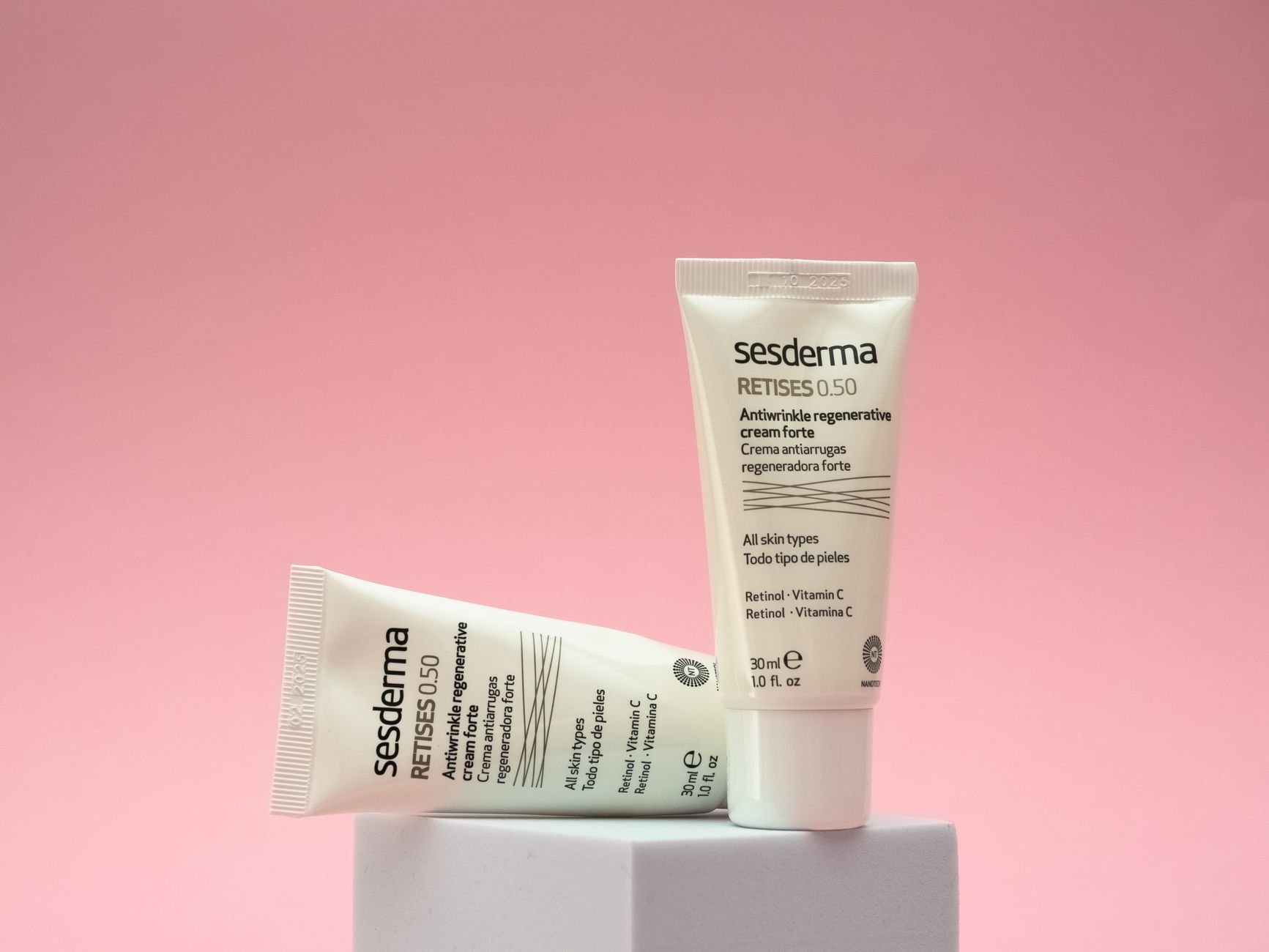
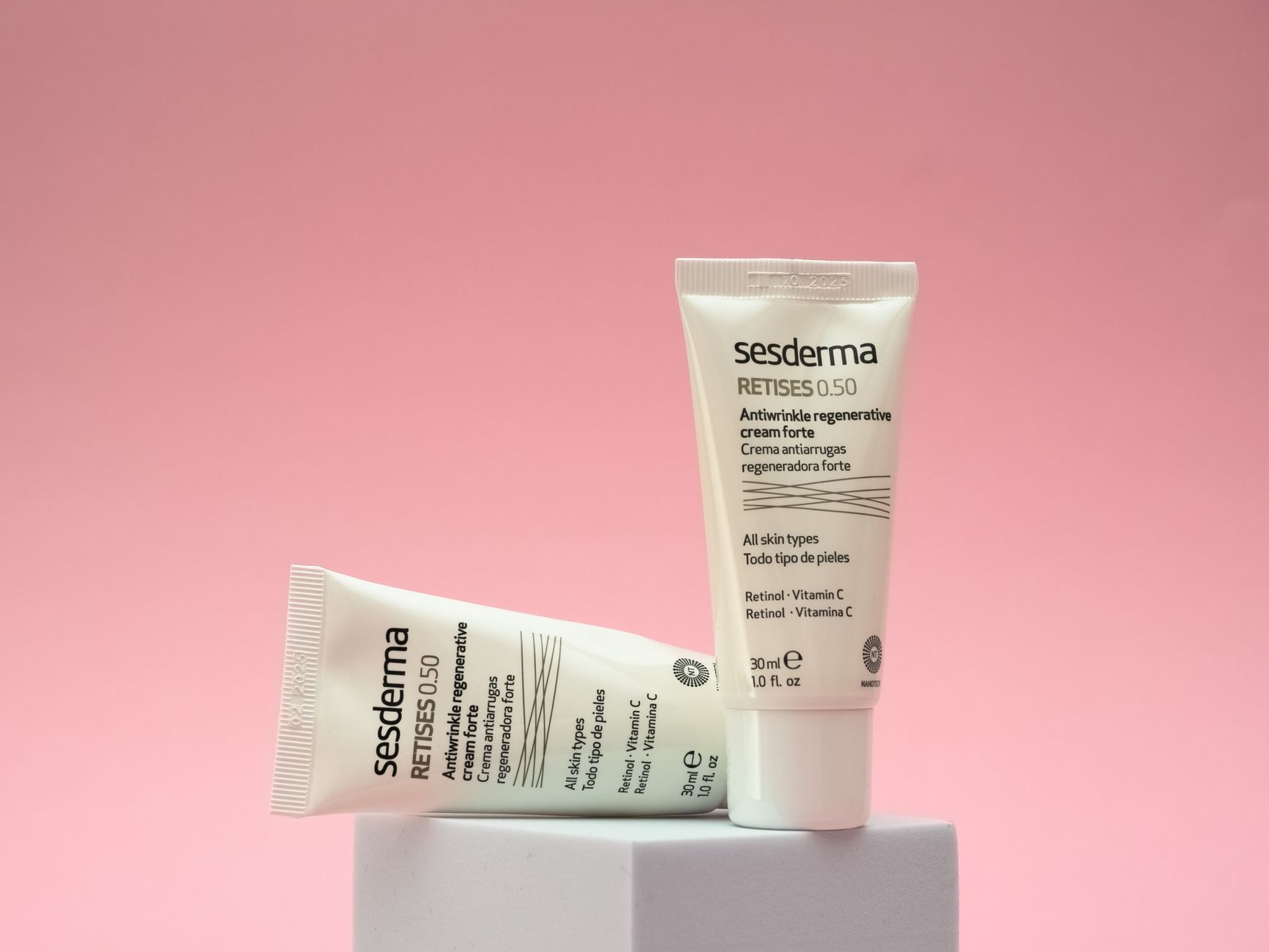
- Retinoids: If you’re using a retinoid (retinol, tretinoin), avoid using mandelic acid on the same night. Alternate them – use mandelic acid on one night, and your retinoid on another. Over-exfoliation can severely compromise your skin barrier.
- Vitamin C: Many people successfully use Vitamin C in the morning and mandelic acid at night. If you use a Vitamin C serum at night, alternate it with mandelic acid.
- Other AHAs/BHAs: If you’re already using other strong AHAs (like glycolic acid) or BHAs (like salicylic acid), be very cautious. Mandelic acid is gentle, but combining too many strong exfoliants can lead to irritation. Consider alternating or choosing products with very low concentrations of multiple acids.
- Niacinamide: This ingredient pairs beautifully with mandelic acid. Niacinamide (Vitamin B3) helps to soothe, reduce inflammation, and strengthen the skin barrier, making it an excellent companion for an exfoliant.
- Listen to Your Skin: Your skin will tell you what it needs. If you experience excessive redness, stinging, peeling, or discomfort, reduce the frequency of application or stop using the product temporarily. Give your skin a chance to recover before reintroducing it more slowly. Sometimes, less is more, and consistency over intensity yields the best results. A little tingling is normal, but burning or prolonged redness is a sign to scale back.
- Be Patient and Consistent: Skincare is a marathon, not a sprint. It takes time for skin cells to renew and for ingredients to show their full effect. Expect to see noticeable improvements in skin texture and acne reduction after 4-6 weeks of consistent use. For hyperpigmentation, it can take even longer, often 8-12 weeks or more. Stick with your routine, and you’ll likely see the benefits unfold.
FAQ
Is mandelic acid good for acne? Yes — mandelic acid is one of the gentlest AHAs for acne-prone skin. It’s effective for inflammatory acne (papules, pustules) thanks to its antibacterial and anti-inflammatory properties, and for non-inflammatory acne (blackheads, whiteheads) by gently exfoliating clogged pores. It also helps fade the dark marks acne leaves behind.
What does mandelic acid do for acne? It exfoliates dead skin cells to unclog pores, reduces the acne-causing bacteria C. acnes, calms inflammation, and fades post-acne dark spots — without the irritation smaller-molecule acids like glycolic acid often cause.
Does mandelic acid help with blackheads and clogged pores? Yes. Mandelic acid dissolves the buildup that clogs pores in the first place, which is what causes blackheads and whiteheads. It won’t clear an existing deep blackhead overnight, but consistent use keeps pores from reclogging.
How long does it take to see results from mandelic acid? Many people notice improved texture and fewer breakouts within 4-6 weeks of consistent use. Fading hyperpigmentation takes longer — often 8-12 weeks or more.
Can I use mandelic acid every day? For most people, especially those with sensitive or dry skin, 2-4 times a week is enough. Daily use is tolerated by some, but reduce frequency if you notice irritation, dryness, or redness.
Does mandelic acid cause purging? Yes, like other chemical exfoliants. Purging is a temporary period (usually 2-4 weeks) where cell turnover speeds up and existing micro-comedones surface faster than usual, then it subsides.
What ingredients should I not use with mandelic acid? Avoid pairing it on the same night as retinoids, strong glycolic acid, or salicylic acid — alternate them on different nights to prevent over-exfoliation.
Conclusion
Navigating the world of acne treatments can feel overwhelming, but mandelic acid for acne stands out as a truly versatile and gentle powerhouse. Its unique molecular structure offers effective exfoliation, antibacterial action, and anti-inflammatory benefits, all while being remarkably kind to sensitive skin. Whether you’re struggling with active breakouts, persistent dark spots, or simply seeking a smoother, more radiant complexion, mandelic acid offers a science-backed solution that delivers results without the harshness often associated with other acids.
If you are starting out, a 5-10% concentration two to three nights a week is the sensible entry point, layered after cleansing and before moisturiser, with daily sunscreen as a non-negotiable. Give it eight weeks before judging the results on texture and breakouts, and twelve before judging it on dark spots.
Shop more Mandelic Acid products on Amazon
Related Articles
- Peptides in Skincare: What They Do and Which Products Are Worth It for Mature Skin 2026
- Salicylic Acid Guide: How to Use It for Acne Without Over-Drying
- How to Fade Dark Spots: The Ingredients That Actually Work for Mature Skin
- Niacinamide Benefits for Skin: The Complete Ingredient Guide for 2026
Where to Buy

💬 Join the Conversation
Have thoughts on this article? We'd love to hear from you.