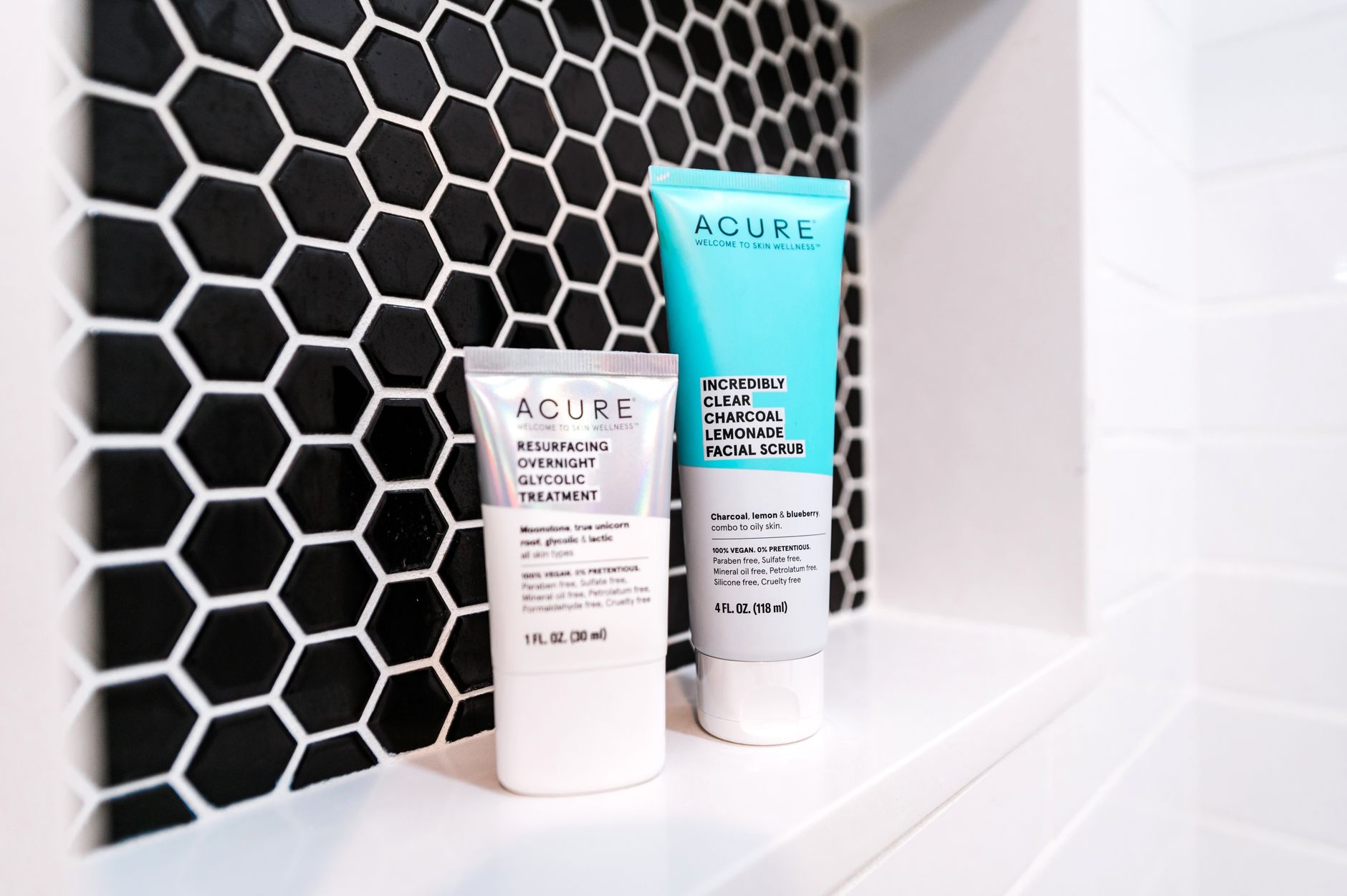
- For beginners or those with sensitive skin, start with glycolic acid 1-2 times per week.
- More experienced users with resilient skin may increase frequency to 3-4 times per week, or even daily with very low concentrations.
- Always patch-test and listen to your skin; adjust frequency based on tolerance and observed results.
When it comes to achieving a smoother, brighter complexion, chemical exfoliants like glycolic acid have become a cornerstone of many skincare routines. However, a common point of confusion for many is figuring out just how often should you use glycolic acid to reap its benefits without causing irritation. It’s a delicate balance, and the temptation to overdo it in pursuit of rapid results can lead to a compromised skin barrier. Many products on the market, while effective, don’t always provide clear guidance on frequency, leaving consumers to guess. This often results in either underutilizing a powerful ingredient or, more commonly, overexfoliating, which can manifest as redness, peeling, increased sensitivity, and breakouts. Understanding the science behind glycolic acid and how it interacts with your skin is key to unlocking its full potential safely. We’re here to help you navigate this, providing evidence-based insights to build a routine that works for you.
What to Look For When Choosing a Glycolic Acid Product
Before we dive into frequency, it’s crucial to understand what makes a glycolic acid product suitable for your needs. The effectiveness and potential for irritation are largely determined by a few key formulation factors.
Firstly, the concentration of glycolic acid is important. Glycolic acid is an alpha-hydroxy acid (AHA) with a small molecular size, allowing it to penetrate the skin effectively. Concentrations typically range from 5% to 10% for at-home use, though some toners might be around 7%, and professional treatments can go much higher. For beginners, lower concentrations (around 5-7%) are recommended. As your skin builds tolerance, you might gradually move to higher percentages, but always with caution.
Secondly, the pH of the formulation significantly impacts how the glycolic acid works. AHAs are most effective when the product has a low pH, generally between 3 and 4. A lower pH means the acid is in its free form, ready to exfoliate. If the pH is too high, the acid is neutralized and won’t be as potent, potentially leading to irritation without providing the desired exfoliation. Skimping on pH-adjusted formulations is a common trade-off in some budget-friendly products, where the concentration might look good on paper but the efficacy is compromised.
Thirdly, consider the other ingredients in the formula. Glycolic acid can be drying and potentially irritating on its own. Therefore, well-formulated products often include hydrating ingredients like hyaluronic acid, glycerin, or ceramides to buffer the exfoliating effect and support the skin barrier. Conversely, products that combine glycolic acid with other strong actives, such as other AHAs, BHAs (beta-hydroxy acids), or retinoids, require extra caution and a slower introduction into your routine. It’s often best to introduce one potent active at a time to gauge your skin’s reaction.
Finally, the product type matters. Glycolic acid can be found in toners, serums, cleansers, masks, and even body washes. Toners and serums are typically left on the skin, allowing for maximum contact time and thus greater exfoliating power. Cleansers, on the other hand, are rinsed off, offering a milder form of exfoliation that might be suitable for daily use for some. Masks are usually used intermittently, providing a more intensive treatment. Understanding these differences will help you select a product that aligns with your desired frequency and overall routine.
Glycolic Acid Frequency by Percentage: A Detailed Breakdown
Related reading: Hyaluronic Acid Skincare Guide: How to Use It, Layer It, and Pick the Right Formula
Determining how often should you use glycolic acid is heavily influenced by its concentration. What works for a 7% toning solution might be too much for a 15% serum. Here’s a breakdown based on common percentage ranges:
-
1-5% Glycolic Acid: Products in this lower concentration range are generally considered mild and can often be used more frequently. These are excellent for individuals new to chemical exfoliation or those with particularly sensitive or dry skin. You might find these percentages in gentle cleansers or toners designed for daily use. For many, using a product with 1-5% glycolic acid daily can be beneficial for maintaining smooth texture and improving overall radiance without significant risk of irritation. However, it’s always wise to start with every other day to ensure your skin adapts well.
-
7% Glycolic Acid: This is a very popular concentration, often found in toning solutions or gentle exfoliating pads. A 7% glycolic acid product strikes a good balance between efficacy and tolerability for many. For most individuals, using a 7% glycolic acid product 2-4 times per week is a safe and effective starting point. Those with more resilient skin might find they can tolerate it every other day or even daily if the formulation is well-buffered and hydrating. If you experience any redness or sensitivity, reduce the frequency immediately.
-
10% Glycolic Acid: Products at this concentration are more potent and should be used with greater care. A 10% glycolic acid solution or serum is typically recommended for use 2-3 times per week, often in the evening. It’s crucial to allow your skin ample recovery time between applications. If you’re using other exfoliating or potent active ingredients in your routine, you may need to limit the use of a 10% glycolic acid product to just once or twice a week. Always monitor your skin for signs of overexfoliation.
-
Above 10% Glycolic Acid: Concentrations higher than 10% are considered advanced and are often found in stronger serums, peels, or professional treatments. For at-home use, these should be approached with extreme caution. A frequency of 1-2 times per week is generally the maximum recommended. Some individuals with very robust skin might tolerate more frequent use, but the risk of damaging the skin barrier increases significantly. It’s often advisable to consult with a skincare professional before incorporating such high concentrations into your routine.
Remember, these are general guidelines. Your individual skin’s response is the ultimate determining factor. Factors like your skin type, existing routine, and environmental conditions can all influence how often you should use glycolic acid.
How to Introduce Glycolic Acid into Your Routine
Starting with a new active ingredient, especially an exfoliant like glycolic acid, requires a thoughtful approach. The goal is to maximize benefits while minimizing the risk of irritation. Here’s how to build it in:
- Start Low and Slow: If you’re new to glycolic acid, begin by using a product with a lower concentration (around 5-7%) and a less frequent schedule. Aim for 1-2 times per week, ideally in the evening. Apply it to clean, dry skin. Pay close attention to how your skin feels.
- Patch Test: Before applying any new product to your entire face, perform a patch test. Apply a small amount to an inconspicuous area, like behind your ear or on your jawline, for a few consecutive days. This helps you identify any potential allergic reactions or sensitivities before widespread use.
- Observe and Adjust: After a few weeks of using glycolic acid 1-2 times per week, if your skin tolerates it well (no excessive redness, peeling, or stinging), you can gradually increase the frequency. You might try every other day, or even a few more times a week, depending on the product’s concentration and your skin’s response. If you experience any irritation, scale back immediately to a lower frequency or stop use temporarily.
- Listen to Your Skin: This is the golden rule. If your skin feels tight, dry, red, or irritated, it’s a sign that you might be overexfoliating. Reduce the frequency of glycolic acid use, and ensure you’re incorporating moisturizing and barrier-supporting ingredients into your routine. Consider a simpler routine on days you use glycolic acid to avoid overwhelming your skin.
- Sunscreen is Non-Negotiable: Glycolic acid makes your skin more sensitive to the sun. This increased photosensitivity means you’re more prone to sunburn and hyperpigmentation. Therefore, daily use of a broad-spectrum SPF 30 or higher is absolutely essential, even on cloudy days, when using glycolic acid.
How Often Should You Use Glycolic Acid Based on Skin Type?
Related reading: Retinol for Beginners: The Complete Guide to Starting Safely
Your skin type plays a significant role in determining the appropriate frequency for glycolic acid. What works for oily, acne-prone skin might be too harsh for dry, sensitive skin.
-
Oily and Combination Skin: These skin types often tolerate chemical exfoliants like glycolic acid quite well, and can even benefit from its oil-dissolving properties (though BHAs are generally better for pore-deep cleansing). You might find that you can use a 7% glycolic acid product 3-4 times per week, or even daily with a well-formulated, lower concentration product. It can help to manage excess oil, prevent breakouts, and improve texture. If you notice increased oiliness or a feeling of dehydration, dial back the frequency.
-
Dry Skin: For those with dry skin, the key is to introduce glycolic acid cautiously and ensure adequate hydration. Start with 1-2 times per week using a product that’s formulated with moisturizing ingredients. Focus on how your skin feels; if it becomes tight or flaky, reduce the frequency and prioritize hydration. Using glycolic acid less often, perhaps 2-3 times a week, might be your sweet spot, with a strong emphasis on post-exfoliation moisturizing.
-
Sensitive Skin: Individuals with sensitive skin need to be the most cautious. Start with a very low concentration (if available) or a product specifically formulated for sensitive skin. Begin using it only 1-2 times per week, and observe your skin’s reaction closely. If you experience any redness, stinging, or irritation, discontinue use or consult with a dermatologist. For some with sensitive skin, even once a week might be too much, and a gentler alternative like lactic acid might be a better choice.
-
Normal Skin: Those with normal skin, which is neither particularly oily nor dry and typically not prone to sensitivity, have more flexibility. You can likely start with 2-3 times per week with a 7% concentration and gradually increase to every other day or even daily if your skin tolerates it without any adverse effects. However, it’s still wise to take breaks and listen to your skin’s needs, as even normal skin can become overexfoliated.
What Are the Signs of Overexfoliation?
It’s easy to get carried away with the glow that glycolic acid can provide, but overdoing it can lead to a host of problems. Recognizing the signs of overexfoliation is critical to preventing damage to your skin barrier.
One of the most common indicators is increased redness and irritation. Your skin might look perpetually flushed, feel warm to the touch, or exhibit visible redness that doesn’t subside easily. This is your skin’s way of signaling that it’s inflamed and needs a break.
Another key sign is peeling and flaking. While mild flaking can sometimes occur with initial use of exfoliants, persistent or significant peeling is a red flag. It means your skin’s natural shedding process is disrupted, and the outermost layer is being compromised.
You might also experience increased sensitivity. Products that you previously tolerated well might now sting or burn. This heightened sensitivity is a direct result of a weakened skin barrier, which is less able to protect nerve endings.
Finally, and counterintuitively, overexfoliation can sometimes lead to breakouts. When the skin barrier is compromised, it can become more susceptible to bacteria and inflammation, paradoxically leading to acne or worsening existing acne. If you notice a sudden increase in blemishes despite using an exfoliating product, your frequency might be too high. If you see any of these signs, stop using glycolic acid immediately and focus on calming and repairing your skin with gentle, hydrating products.
Comparison of Glycolic Acid Products
To help you choose the right product for your routine, here’s a look at some popular and effective glycolic acid formulations.
| Product Name | Key Ingredient(s) | Best For | Price Range |
|---|---|---|---|
| The Ordinary Glycolic Acid 7% Toning Solution | Glycolic Acid (7%), Amino Acids, Algae Extracts, Pepperberry Extract, Ginseng Extract, Tasmanian Raspberry, Aloe Vera | Beginners, general exfoliation, improving texture | $15–$20 |
| Paula’s Choice Skin Perfecting 2% BHA Liquid Exfoliant | Salicylic Acid (2% BHA) | Oily/combination skin, blackheads, enlarged pores | $30–$35 |
| Naturium Glycolic Acid Body Wash | Glycolic Acid, Lactic Acid, Salicylic Acid | Body exfoliation, KP (keratosis pilaris), ingrown hairs | $15–$20 |
| Glow Recipe Watermelon Glow PHA + BHA Pore-Tight Toner | PHA, BHA, Watermelon Fruit Extract, Cactus Extract | Pores, texture, hydration, gentle exfoliation | $30–$40 |
| REN Clean Skincare Ready Steady Glow Daily AHA Tonic | Glycolic Acid, Lactic Acid, Citric Acid | Daily glow, smoother texture, brightening | $35–$45 |
| First Aid Beauty Facial Radiance Pads | Glycolic Acid, Lactic Acid, Rosehip Extract, Green Tea Leaf Extract | Gentle exfoliation, brightening, ease of use | $35–$45 |
Price ranges are approximate at the time of writing and may vary.
Detailed Reviews of Glycolic Acid Products
Let’s take a closer look at some of the products that can help you incorporate glycolic acid into your regimen.
The Ordinary Glycolic Acid 7% Toning Solution
The Ordinary’s Glycolic Acid 7% Toning Solution is a cult favorite for a reason. It offers a straightforward approach to chemical exfoliation with a 7% concentration of glycolic acid, making it a good starting point for many. The formula is also enhanced with ingredients like amino acids, algae extracts, and Tasmanian pepperberry to help reduce irritation. While it’s marketed as a toner, its exfoliating properties mean it shouldn’t be used daily by everyone, especially those new to AHAs. For most, using this product 2-4 times per week in the evening after cleansing is a suitable frequency. It’s designed to help improve skin tone, texture, and radiance. Its relatively low price point also makes it accessible for consistent use. The pH of this toner is around 3.6, which is ideal for exfoliation.
Verdict: An effective and budget-friendly option for introducing glycolic acid into your routine, best used a few times per week. The Ordinary Glycolic Acid 7% Toning Solution
Paula’s Choice Skin Perfecting 2% BHA Liquid Exfoliant
While this product features salicylic acid (a BHA) rather than glycolic acid (an AHA), it’s an important comparison for those seeking chemical exfoliation. Salicylic acid is oil-soluble and can penetrate deeper into pores, making it particularly effective for blackheads, whiteheads, and congested skin. Its anti-inflammatory properties also make it a good choice for acne-prone individuals. Because BHA works differently and often less superficially than AHA, many can tolerate using the Paula’s Choice 2% BHA Liquid Exfoliant daily. However, if you’re also using a glycolic acid product, you would need to alternate them or significantly reduce the frequency of both to avoid overexfoliation. This is a powerful treatment for those struggling with pore-related concerns. My only gripe is that it’s pricier than some other options.
Verdict: A standout BHA exfoliant excellent for pore concerns, suitable for daily use for many, but should be considered alongside AHA usage. Paula’s Choice Skin Perfecting 2% BHA Liquid Exfoliant
Naturium Glycolic Acid Body Wash
For skin concerns beyond the face, like keratosis pilaris (KP) or rough patches on the body, a glycolic acid body wash can be incredibly effective. Naturium’s Glycolic Acid Body Wash combines glycolic, lactic, and salicylic acids to provide multi-acid exfoliation. This means it tackles dead skin cells on the surface while also helping to unclog pores and smooth bumpy skin. Because it’s a wash-off product, the contact time is limited, allowing for more frequent use than leave-on treatments. Many can use this body wash daily in the shower, or at least several times a week, to keep the skin on their arms, legs, and décolleté smooth and clear. It’s a convenient way to address body texture issues.
Verdict: A powerful and convenient body wash for smoothing rough skin and addressing KP, often suitable for daily use. Naturium Glycolic Acid Body Wash
Glow Recipe Watermelon Glow PHA + BHA Pore-Tight Toner
Glow Recipe’s toner offers a gentler approach to exfoliation by combining PHA (polyhydroxy acids) and BHA with skin-beneficial ingredients like watermelon extract. PHAs are larger molecules than AHAs, meaning they penetrate the skin more slowly and are less likely to cause irritation, making them a great choice for sensitive skin or for daily use. This toner also contains BHA to help with pore congestion. Its hydrating and soothing properties from watermelon and cactus extracts make it a well-rounded product. Given its gentler formulation, many users can incorporate this toner daily into their routine, both morning and night, for continuous pore refinement and improved hydration.
Verdict: A hydrating and gentle toner perfect for daily use to refine pores and improve skin texture with a blend of PHA and BHA. Glow Recipe Watermelon Glow PHA + BHA Pore-Tight Toner
REN Clean Skincare Ready Steady Glow Daily AHA Tonic
REN’s Ready Steady Glow Daily AHA Tonic is formulated with a blend of glycolic acid, lactic acid, and citric acid – three different AHAs. This combination aims to provide comprehensive exfoliation for brighter, smoother skin. The tonic is designed to be used daily, and REN suggests this frequency for most skin types. It also contains ingredients like bio-ferment from Saxon Plum and pH-optimizing ingredients to help make the exfoliation process more tolerable. However, even with daily use intended, it’s always wise for individuals, especially those with sensitive skin, to start with 2-3 times per week and build up tolerance. The tonic aims to tackle dullness and uneven texture effectively.
Verdict: A potent daily AHA tonic designed for consistent use to brighten and smooth skin, though gradual introduction is advised. REN Clean Skincare Ready Steady Glow Daily AHA Tonic
First Aid Beauty Facial Radiance Pads
First Aid Beauty’s Facial Radiance Pads offer a convenient way to incorporate both glycolic and lactic acids into your routine. Each pad is pre-soaked, making application simple and mess-free. The combination of these two AHAs helps to gently exfoliate the skin, revealing a brighter and smoother complexion. They’re formulated to be suitable for most skin types, including sensitive skin, and FAB suggests using them daily. However, as with any exfoliating product, it’s best to start with every other day or 3-4 times per week to gauge your skin’s reaction. If your skin tolerates them well, you can then increase to daily use, typically in the evening after cleansing.
Verdict: Easy-to-use exfoliating pads containing both glycolic and lactic acid, suitable for daily use after a gradual introduction. First Aid Beauty Facial Radiance Pads
How to Build a Routine with Glycolic Acid: Expert Tips
Integrating glycolic acid effectively into your skincare routine involves more than just knowing how often should you use glycolic acid. It’s about creating a balanced regimen that supports your skin’s health.
- Establish a Base Routine: Before adding glycolic acid, ensure you have a solid basic routine: a gentle cleanser, a moisturizer suitable for your skin type, and daily sunscreen. This ensures your skin is already well-hydrated and protected, providing a good foundation for introducing an active ingredient.
- Timing is Key – Evening Use: Glycolic acid increases photosensitivity, making your skin more vulnerable to sun damage. Therefore, it’s generally recommended to use glycolic acid products in the evening. This allows your skin to exfoliate and regenerate overnight without immediate sun exposure. Always follow with sunscreen diligently in the morning.
- Alternate with Other Actives: If you use other powerful ingredients like retinoids or Vitamin C, avoid using them on the same night as your glycolic acid. Instead, alternate them. For example, use glycolic acid on Monday, Wednesday, and Friday, and a retinoid on Tuesday and Thursday. This prevents overwhelming your skin and reduces the risk of irritation and barrier damage.
- Hydrate and Protect Your Barrier: Glycolic acid works by loosening the bonds between dead skin cells, which can sometimes lead to dryness or a compromised skin barrier. On nights you use glycolic acid, or on days you don’t, focus on replenishing your skin with hydrating and barrier-repairing ingredients. Look for ingredients like hyaluronic acid, ceramides, niacinamide, and fatty acids in your serums and moisturizers.
- Be Patient and Consistent: The benefits of glycolic acid, such as improved texture and tone, don’t appear overnight. Consistency is more important than intensity. Stick to your chosen frequency for at least 4-6 weeks before evaluating its effectiveness. If you experience minor adjustments, give your skin time to adapt rather than immediately increasing frequency or stopping altogether unless irritation is severe.
Frequently Asked Questions About Glycolic Acid Usage
Q1: Can I use glycolic acid every day? Whether you can use glycolic acid every day depends significantly on the product’s concentration, your skin type, and your skin’s tolerance. Lower concentrations (around 5%) in gentle formulations might be suitable for daily use for some, especially those with oily or resilient skin. However, for most people, especially those using 7% or higher concentrations, daily use is likely too much and can lead to overexfoliation. It’s always best to start with a lower frequency, like 2-3 times per week, and gradually increase if your skin tolerates it.
Q2: What happens if I use glycolic acid too often? Using glycolic acid too frequently can lead to overexfoliation. Signs of overexfoliation include increased redness, irritation, stinging or burning sensations, peeling, flaking, and increased sensitivity to other skincare products and environmental factors like the sun. In some cases, it can also disrupt the skin barrier, leading to breakouts or making existing skin conditions worse.
Q3: Can I use glycolic acid and Vitamin C on the same day? It’s generally advised to avoid using potent actives like glycolic acid and Vitamin C (especially L-Ascorbic Acid) at the same time, particularly if you’re new to either ingredient or have sensitive skin. Both are active ingredients that can increase skin sensitivity. A safer approach is to alternate them: use Vitamin C in the morning and glycolic acid in the evening, or use them on different days of the week.
Q4: Is glycolic acid good for acne? Yes, glycolic acid can be beneficial for acne. Its exfoliating properties help to unclog pores by removing dead skin cells and debris that can trap sebum and bacteria, thus preventing and treating breakouts. It can also help to improve the appearance of post-acne marks and hyperpigmentation by promoting skin cell turnover and revealing fresher skin underneath. However, it’s important to introduce it gradually, as it can sometimes cause initial dryness or irritation.
Q5: How long does it take to see results from using glycolic acid? Visible results from using glycolic acid typically start to appear within 4 to 6 weeks of consistent use, though some immediate improvements in texture and brightness might be noticed sooner. Factors like the concentration of the product, the frequency of use, your individual skin type, and the specific concerns you’re addressing will influence the timeline. Patience and consistent application are key to achieving the best outcomes.
Conclusion
Navigating how often should you use glycolic acid is a journey of understanding your skin and the product you choose. While a concentration of 7% might be suitable for 2-4 times per week for many, and some gentler formulations might allow for daily use, the most crucial factor is listening to your skin. Always begin with a lower frequency, observe for signs of irritation, and prioritize hydration and sun protection. By approaching glycolic acid with knowledge and care, you can unlock its transformative power for a smoother, brighter, and more radiant complexion. For a reliable starting point to explore the world of glycolic acid, we’d start with products like The Ordinary Glycolic Acid 7% Toning Solution or the convenient pads from First Aid Beauty. The Ordinary Glycolic Acid 7% Toning Solution
Related Articles
- Peptides in Skincare: What They Do and Which Products Are Worth It for Mature Skin 2026
- Salicylic Acid Guide: How to Use It for Acne Without Over-Drying
- How to Fade Dark Spots: The Ingredients That Actually Work for Mature Skin
- Niacinamide Benefits for Skin: The Complete Ingredient Guide for 2026
Where to Buy

💬 Join the Conversation
Have thoughts on this article? We'd love to hear from you.