Quick Answer
- Yes, azelaic acid and retinol can be combined for potent skin benefits, targeting concerns like acne, hyperpigmentation, and fine lines.
- The key to using azelaic acid and retinol together effectively lies in understanding their individual properties and how they can complement each other without causing undue irritation.
- When combining them, consider the concentration of each ingredient, the formulation of the products, and the best way to introduce them into your routine to support your skin barrier.
Introduction
Chasing clearer, smoother, radiant skin often leads us down a winding path of ingredients. Both azelaic acid and retinol stand out as celebrated, evidence-backed stars. But here’s the common snag: how do you use azelaic acid and retinol together without messing things up? It’s a formulation puzzle that leaves many confused. Should you layer them? Alternate them? Pick just one? Too many grab multiple products, not thinking about how they interact. This often leads to a compromised skin barrier, increased sensitivity, and ultimately, disappointing results. At SkinPetals, we cut through the confusion. Understanding the science of how azelaic acid and retinol work, and how to harmonize them, is crucial. We’re here to guide you through these skincare powerhouses. It’s science, not just marketing hype.
What to Look For / Key Ingredients
Related reading: Hyaluronic Acid Skincare Guide: How to Use It, Layer It, and Pick the Right Formula
When thinking about adding azelaic acid and retinol together to your routine, look past the product names. Dive into the formulation science. Both are potent actives. Their effectiveness, and their potential for irritation, hinges on concentration, pH, and supporting ingredients.
Azelaic Acid: This dicarboxylic acid is a multi-tasker. It’s known for being anti-inflammatory, antibacterial (especially against Cutibacterium acnes, the bacteria linked to acne), and keratolytic (meaning it exfoliates). Crucially for those dealing with post-inflammatory hyperpigmentation (PIH) or melasma, azelaic acid also inhibits tyrosinase, the enzyme that drives melanin production. This makes it excellent for fading dark spots and evening skin tone. Formulations typically range from 2% over-the-counter to 15% or 20% prescription strengths. The pH of azelaic acid formulations is important; ideally, it should be around 4-5, close to the skin’s natural pH and generally well-tolerated. Higher concentrations can sometimes be more irritating if not buffered properly. When seeking an azelaic acid product, consider its vehicle – serum, cream, or booster? Boosters often pack a higher percentage and are designed to be added to your existing moisturizer or serum.
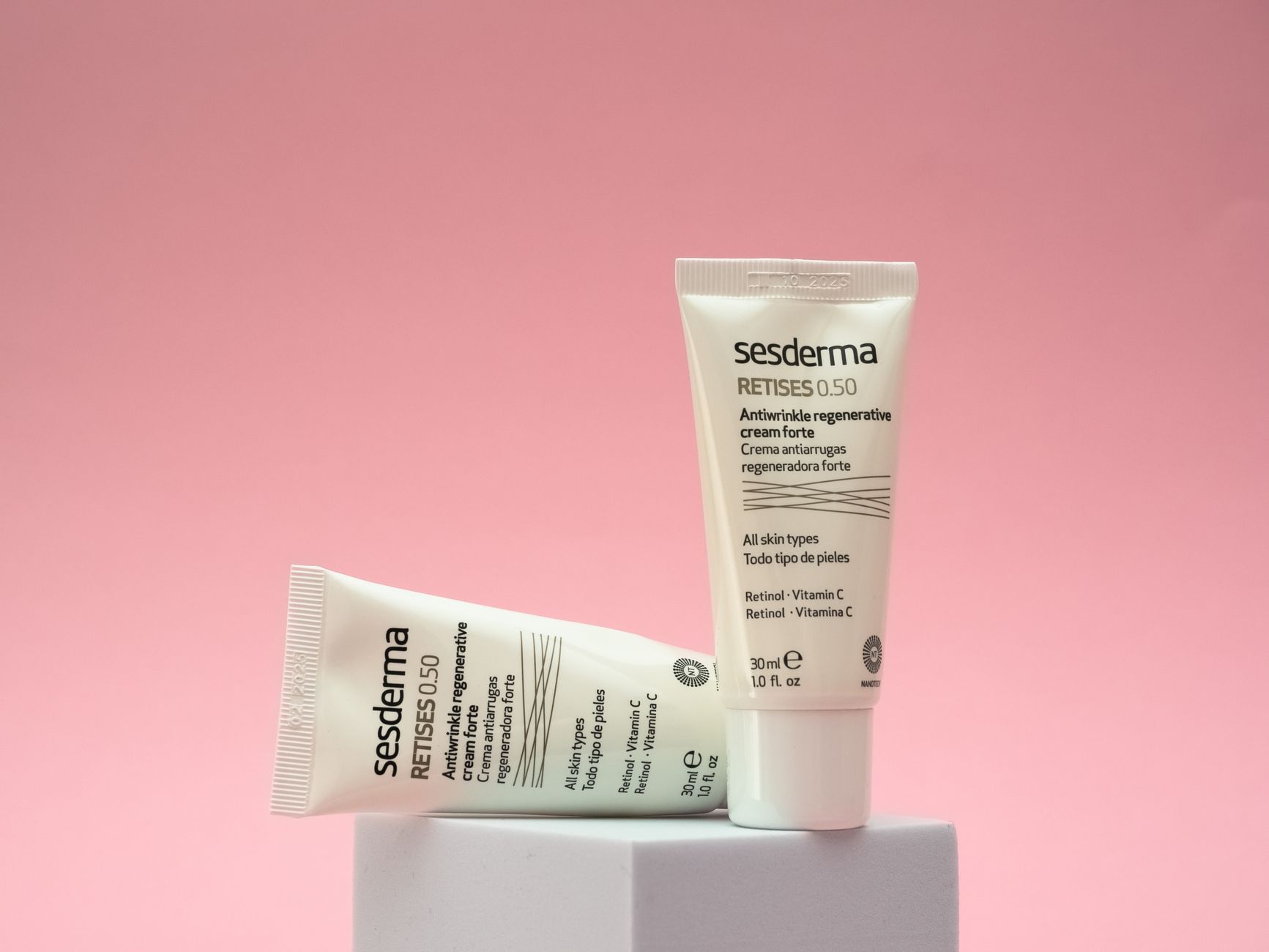
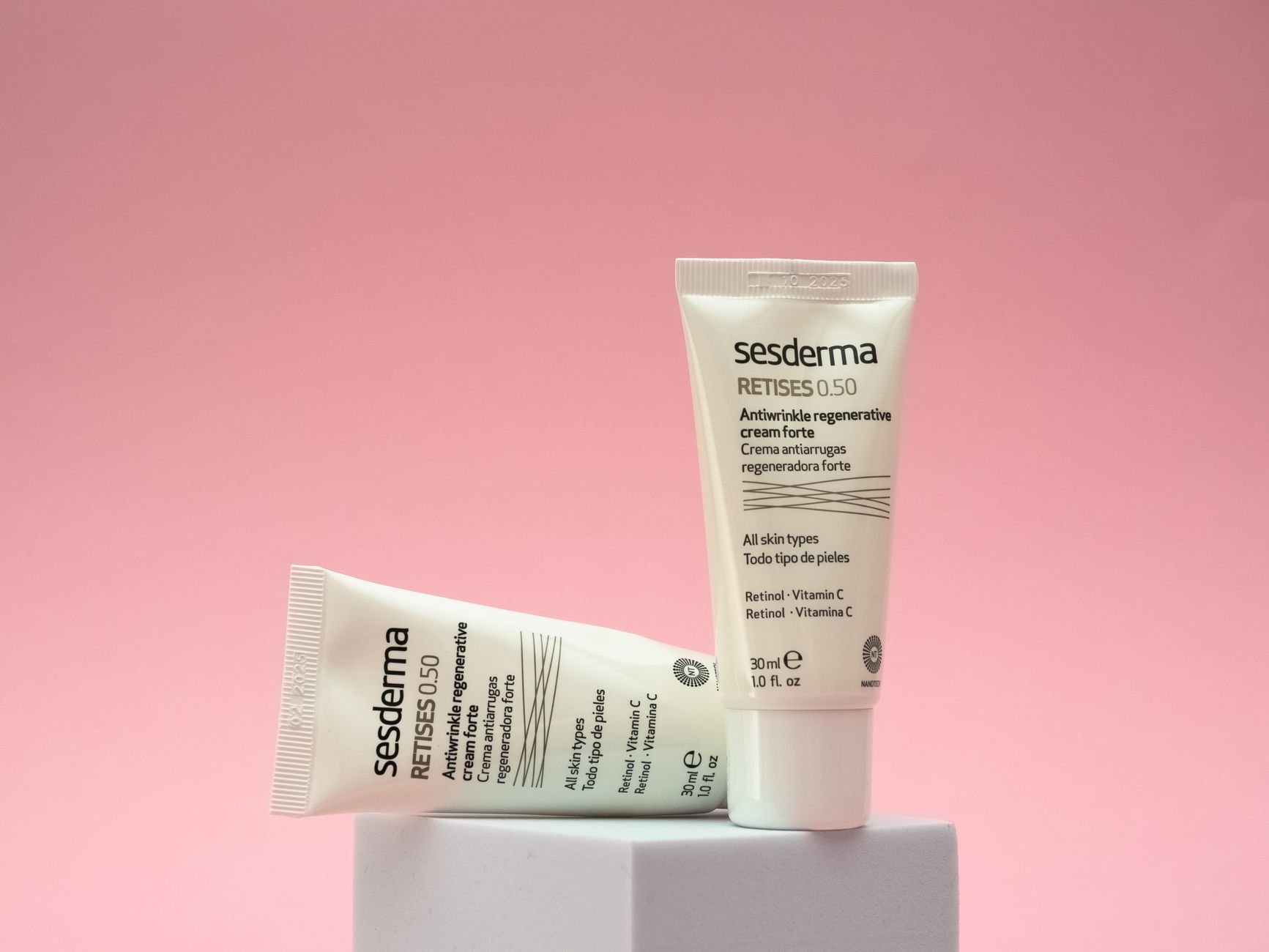
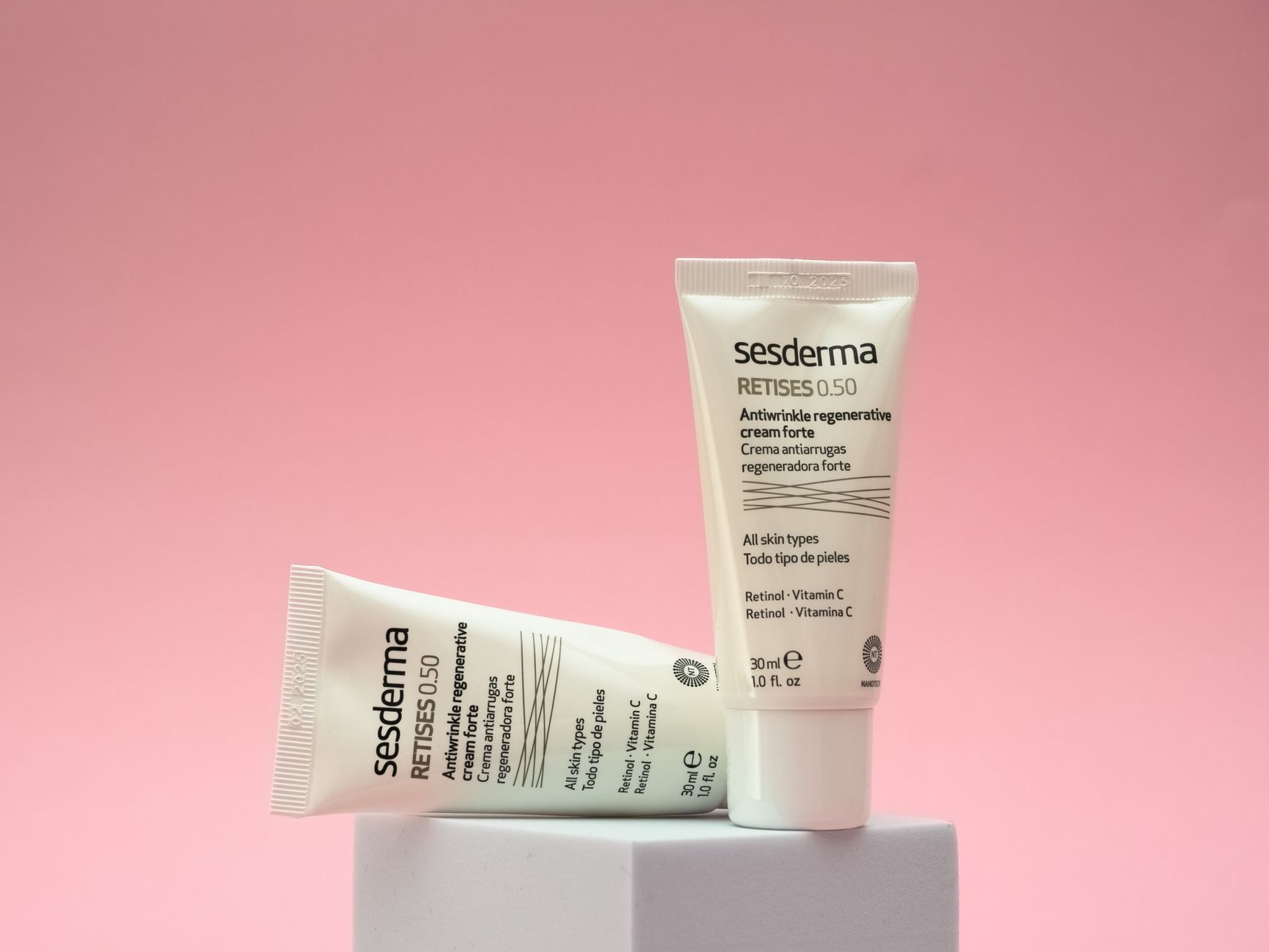
Retinol: A form of vitamin A, retinol is a gold-standard ingredient for anti-aging and acne treatment. It speeds up cell turnover, shedding dull, dead skin cells to reveal fresher, brighter skin. This process also helps unclog pores and can improve the appearance of fine lines, wrinkles, and acne scars over time. Retinol needs to be converted by the skin into retinoic acid, the active form. This conversion means retinol is generally less potent and less irritating than prescription retinoids like tretinoin. Retinol concentrations in over-the-counter products vary widely, from 0.1% to 1% or more. Lower concentrations are often recommended for beginners or those with sensitive skin. The stability of retinol in a formulation is key; it’s sensitive to light and air, so opaque, air-restrictive packaging is preferable.
Formulation Matters for Combining Azelaic Acid and Retinol: The real magic, and potential pitfalls, of using azelaic acid and retinol together lie in the formulation.
- pH Compatibility: Retinol is most stable and effective in a slightly acidic to neutral pH range (around 5.0-7.0). Azelaic acid, as mentioned, prefers a pH around 4-5. While not perfectly aligned, these ranges are close enough that many formulations can coexist. However, using them in separate products applied at different times of day can help avoid any potential pH-related degradation or increased irritation.
- Ingredient Synergies and Antagonisms: Look for products that include soothing and hydrating ingredients. Ceramides, hyaluronic acid, niacinamide (generally well-tolerated and beneficial, despite some debate with high-strength retinols), and panthenol can buffer potential irritation from both azelaic acid and retinol, supporting the skin barrier. Conversely, avoid formulations with high concentrations of other exfoliants like AHAs (glycolic acid, lactic acid) or BHAs (salicylic acid) in the same product or applied immediately before/after if you’re new to combining actives.
- Concentration and Delivery Systems: The percentage of azelaic acid and the strength of retinol in your chosen products are crucial. Starting with lower concentrations (e.g., 10% azelaic acid and 0.2-0.3% retinol) is wise when combining them. Advanced delivery systems, like encapsulated retinol or micronized azelaic acid, can help release the actives more gradually and reduce irritation.
When you’re looking at products, check the full ingredient list. Are there buffering agents? Are the actives listed towards the top (indicating higher concentration)? Are there calming ingredients to counteract potential dryness or redness? These are the details that will help you successfully navigate the world of azelaic acid and retinol together.
Comparison Table
| Product | Key Ingredient | Best For | Price Range |
|---|---|---|---|
| Paula’s Choice 10% Azelaic Acid Booster | Azelaic Acid (10%) | Fading dark spots, reducing redness, improving skin texture | $35–$45 |
| The Ordinary Granactive Retinoid 2% Emulsion | Granactive Retinoid (2%) | Fine lines, wrinkles, mild acne, uneven skin tone | $15–$25 |
| CeraVe Resurfacing Retinol Serum | Retinol, Ceramides, Niacinamide | Post-acne marks, dullness, fine lines, barrier support | $20–$30 |
| Naturium Azelaic Topical Acid 10% | Azelaic Acid (10%) | Hyperpigmentation, redness, acne, sensitive skin prone to irritation | $20–$30 |
| RoC Retinol Correxion Deep Wrinkle Night Cream | Retinol (proprietary blend) | Visible signs of aging, deep wrinkles, skin firming | $25–$35 |
| Geek & Gorgeous A-Game 10% | Retinal (0.1%) | Advanced signs of aging, stubborn acne, significant texture improvement | $18–$28 |
Price ranges are approximate and subject to change based on retailer and promotions at the time of writing.
Detailed Reviews
Related reading: Retinol for Beginners: The Complete Guide to Starting Safely
Paula’s Choice 10% Azelaic Acid Booster
Paula’s Choice is known for its science-driven approach, and their 10% Azelaic Acid Booster is a prime example. This serum-style booster contains 10% azelaic acid, a concentration that balances efficacy and tolerability for many. Beyond azelaic acid, the formulation includes licorice extract and salicylic acid. While salicylic acid is a BHA and an exfoliant, its presence here is likely at a lower concentration, intended to complement azelaic acid’s pore-clearing benefits without causing overwhelming exfoliation when used with other actives. The texture is lightweight, making it easy to layer under moisturizers or even mix into one. It’s particularly beneficial for tackling redness, post-inflammatory hyperpigmentation (PIH), and dullness. For those dealing with mild acne or rosacea-like redness, its anti-inflammatory properties are a significant plus. The brand says it’s suitable for all skin types, but as with any active, sensitive individuals should patch-test.
Verdict: A versatile and effective azelaic acid booster that offers significant benefits for uneven tone and redness, with a thoughtful formulation to enhance its impact. Paula’s Choice 10% Azelaic Acid Booster
The Ordinary Granactive Retinoid 2% Emulsion
The Ordinary consistently offers high-performance ingredients at accessible price points, and their Granactive Retinoid 2% Emulsion is this. Instead of traditional retinol, this product utilizes Granactive Retinoid (hydroxypinacolone retinoate), a derivative of retinoic acid. This ingredient is believed to offer retinoid benefits with potentially less irritation because it needs fewer conversion steps in the skin to become active. The 2% concentration refers to the total concentration of the retinoid complex. This emulsion is formulated in a milky, hydrating base, which helps counteract the dryness often associated with retinoid use. It’s an excellent choice for individuals looking to address fine lines, wrinkles, uneven skin texture, and mild acne. The hydrating nature of the emulsion makes it a good starting point for those new to retinoids or those with drier skin types. Its ability to work on multiple signs of aging and improve overall skin clarity makes it a popular and effective option.
Verdict: A gentler, yet potent, retinoid option offering multi-tasking benefits for aging and acne concerns within a hydrating emulsion. The Ordinary Granactive Retinoid 2% Emulsion
CeraVe Resurfacing Retinol Serum
CeraVe prioritizes barrier repair and gentle efficacy, and their Resurfacing Retinol Serum aligns with this philosophy. This serum contains encapsulated retinol, a technology that allows for a more controlled release of the active ingredient into the skin. Encapsulation helps minimize irritation and improve stability, making it a more palatable option for those who find traditional retinol too harsh. The formula also boasts ceramides and niacinamide, crucial for supporting the skin’s natural barrier, reducing redness, and improving skin tone. This makes it a well-rounded choice for individuals targeting post-acne marks, dullness, and early signs of aging while also needing to maintain skin hydration and resilience. The serum has a lightweight texture that absorbs well, making it suitable for layering. It’s a sensible choice for beginners or those with a history of sensitivity to retinoids.
Verdict: A barrier-friendly retinol serum that effectively targets uneven texture and post-acne marks with the added benefits of ceramides and niacinamide. CeraVe Resurfacing Retinol Serum
Naturium Azelaic Topical Acid 10%
Naturium’s Azelaic Topical Acid 10% is a straightforward and effective treatment for common skin concerns. With a focused 10% concentration of azelaic acid, this serum aims to visibly improve skin texture, reduce redness, and fade dark spots, including those left by acne. The formulation is intentionally kept relatively simple, allowing the azelaic acid to take center stage. It’s often praised for being well-tolerated, even by those with more sensitive or reactive skin types. This is a significant advantage when considering combining it with other potent actives like retinol. The serum has a pleasant, non-greasy feel and absorbs quickly, making it easy to integrate into a morning or evening routine. For individuals struggling with acne, redness, and hyperpigmentation, this product offers a targeted and accessible solution.
Verdict: A straightforward and well-tolerated 10% azelaic acid serum ideal for tackling redness, acne, and hyperpigmentation. Naturium Azelaic Topical Acid 10%
RoC Retinol Correxion Deep Wrinkle Night Cream
RoC has been a long-standing player in the drugstore skincare market, particularly known for its effective retinol formulations. The Retinol Correxion Deep Wrinkle Night Cream is a classic example, designed to work overnight to address visible signs of aging. This cream contains RoC’s proprietary retinol blend, formulated for potent wrinkle-smoothing and firming effects. While the exact concentration isn’t disclosed, it’s generally considered an effective strength for visible results. The cream base is rich and moisturizing, making it suitable for those concerned with dryness and potential retinoid-induced peeling or flaking. It’s formulated for nighttime use, ideal as retinol can increase sun sensitivity. This product is a solid choice for individuals primarily focused on reducing the appearance of deep wrinkles and improving skin elasticity over time.
Verdict: A trusted, potent night cream formulated to visibly reduce deep wrinkles and improve skin firmness with its effective retinol blend. RoC Retinol Correxion Deep Wrinkle Night Cream
Geek & Gorgeous A-Game 10%
Geek & Gorgeous stands out for its commitment to transparent, effective formulations, and their A-Game line is this. The A-Game 10% contains 0.1% retinal (retinaldehyde), a more potent form of vitamin A than retinol. Retinal is just one step away from retinoic acid, meaning it converts more quickly in the skin and can deliver faster results for concerns like fine lines, wrinkles, acne, and uneven skin tone. The “10%” in the name refers to the concentration of the entire vitamin A complex within the formulation, not just the retinal itself. This product is formulated in a lightweight, serum-like texture that absorbs quickly. It’s designed for those who have already built a tolerance to retinol and are looking for a more advanced treatment. Given its potency, it’s best introduced slowly and paired with diligent sun protection. Honestly, this is one we’d recommend for experienced users only.
Verdict: A highly effective and potent retinaldehyde serum for advanced anti-aging and acne concerns, offering faster results for experienced retinoid users. Geek & Gorgeous A-Game 10%
How to Build a Routine / Expert Tips
Successfully integrating azelaic acid and retinol together into your skincare routine requires a thoughtful approach to maximize benefits and minimize potential irritation. It’s not just can you mix azelaic acid with retinol, but how. Here are some practical tips:
- Start Slowly and Introduce One Active at a Time: If you’re new to either azelaic acid or retinol, or both, begin by incorporating just one into your routine for a few weeks. This allows your skin to adjust. Once you’ve established tolerance with one, then you can introduce the second active. This gradual approach is key to avoiding overwhelming your skin barrier.
- Consider AM vs. PM Application: A common and highly effective strategy for using azelaic acid and retinol together is to apply them at different times of the day. Azelaic acid is generally well-tolerated in the morning, and its anti-inflammatory and redness-reducing properties can be beneficial under makeup. Retinol, on the other hand, is best reserved for your nighttime routine, as it can increase photosensitivity. This separation also helps prevent potential ingredient interactions or pH conflicts that might occur if applied simultaneously.
- Layering vs. Alternating: If you choose to use both actives in the same routine (e.g., both at night), layering is an option, but it requires caution. Generally, apply the thinner, more watery product first. For example, if you use an azelaic acid serum and a retinol cream, apply the azelaic acid serum, wait for it to absorb, then follow with the retinol cream. However, a safer and often more beneficial approach, especially for sensitive skin or when starting out, is to alternate nights. For instance, use azelaic acid on Monday, Wednesday, and Friday nights, and retinol on Tuesday, Thursday, and Saturday nights, giving your skin a break on Sunday or using a simple hydrating routine.
- Prioritize Hydration and Barrier Support: Both azelaic acid and retinol can be drying or irritating, especially when used together. It’s absolutely crucial to support your skin barrier. Use a gentle cleanser, a hydrating serum (e.g., with hyaluronic acid, glycerin, or ceramides), and a good moisturizer. On nights you don’t use actives, or even during the day, focus on replenishing your skin’s moisture levels. Ingredients like ceramides, fatty acids, and cholesterol are vital for a healthy skin barrier. Real talk: skipping this step is the fastest way to irritation.
- Listen to Your Skin and Use Sunscreen Diligently: Your skin will tell you if you’re pushing too hard. Redness, peeling, stinging, or increased sensitivity are signs that you may need to reduce the frequency or concentration of your actives, or take a break altogether. Always, always wear broad-spectrum SPF 30 or higher daily, especially when using retinoids and azelaic acid, as they can make your skin more susceptible to sun damage.
FAQ
-
Can I use azelaic acid and retinol on the same night? Yes, you can use azelaic acid and retinol on the same night, but it’s often best to alternate them or apply them in a specific order to minimize irritation. If you decide to layer them, apply your azelaic acid product first, allow it to fully absorb, and then follow with your retinol product.
-
What is the best way to introduce azelaic acid and retinol into my routine? The best way to introduce them is one at a time. Start with one active for a few weeks until your skin is accustomed to it, then introduce the second. When you begin using both, consider alternating them on different nights rather than applying them simultaneously.
-
Will using azelaic acid and retinol together cause peeling? It’s possible, as both ingredients can increase cell turnover. Peeling is a common side effect, especially when starting out or using higher concentrations. Using a good moisturizer, starting slowly, and alternating application can help mitigate this.
-
Is it okay to use azelaic acid and retinol for acne? Absolutely. Both azelaic acid and retinol are excellent ingredients for treating acne. Azelaic acid has antibacterial and anti-inflammatory properties, while retinol helps to unclog pores and improve skin texture. Using them together can offer a comprehensive approach to managing breakouts.
-
Can I use azelaic acid in the morning and retinol at night? Yes, this is a highly recommended and effective strategy for using azelaic acid and retinol together. Azelaic acid can help calm redness and even skin tone during the day, while retinol works its magic on cell turnover and anti-aging at night. Remember to always wear sunscreen when using retinol.
Conclusion
The combination of azelaic acid and retinol together represents a powerful alliance in achieving clearer, smoother, and more youthful-looking skin. By understanding the science behind these ingredients and how they interact, you can confidently incorporate them into your skincare regimen. Remember that the key to success lies in a gradual introduction, mindful application (often alternating them or using them at different times of day), and a strong emphasis on hydration and sun protection. Don’t be discouraged if your skin needs time to adjust; patience and consistency are your greatest allies. By choosing well-formulated products and listening to your skin’s needs, you can harness the complementary benefits of azelaic acid and retinol for a truly transformative skincare experience. Genuinely, this is the one worth the money and effort for many.
Shop Azelaic Acid and Retinol Products
Related Articles
- Peptides in Skincare: What They Do and Which Products Are Worth It for Mature Skin 2026
- Salicylic Acid Guide: How to Use It for Acne Without Over-Drying
- How to Fade Dark Spots: The Ingredients That Actually Work for Mature Skin
- Niacinamide Benefits for Skin: The Complete Ingredient Guide for 2026
Where to Buy

💬 Join the Conversation
Have thoughts on this article? We'd love to hear from you.