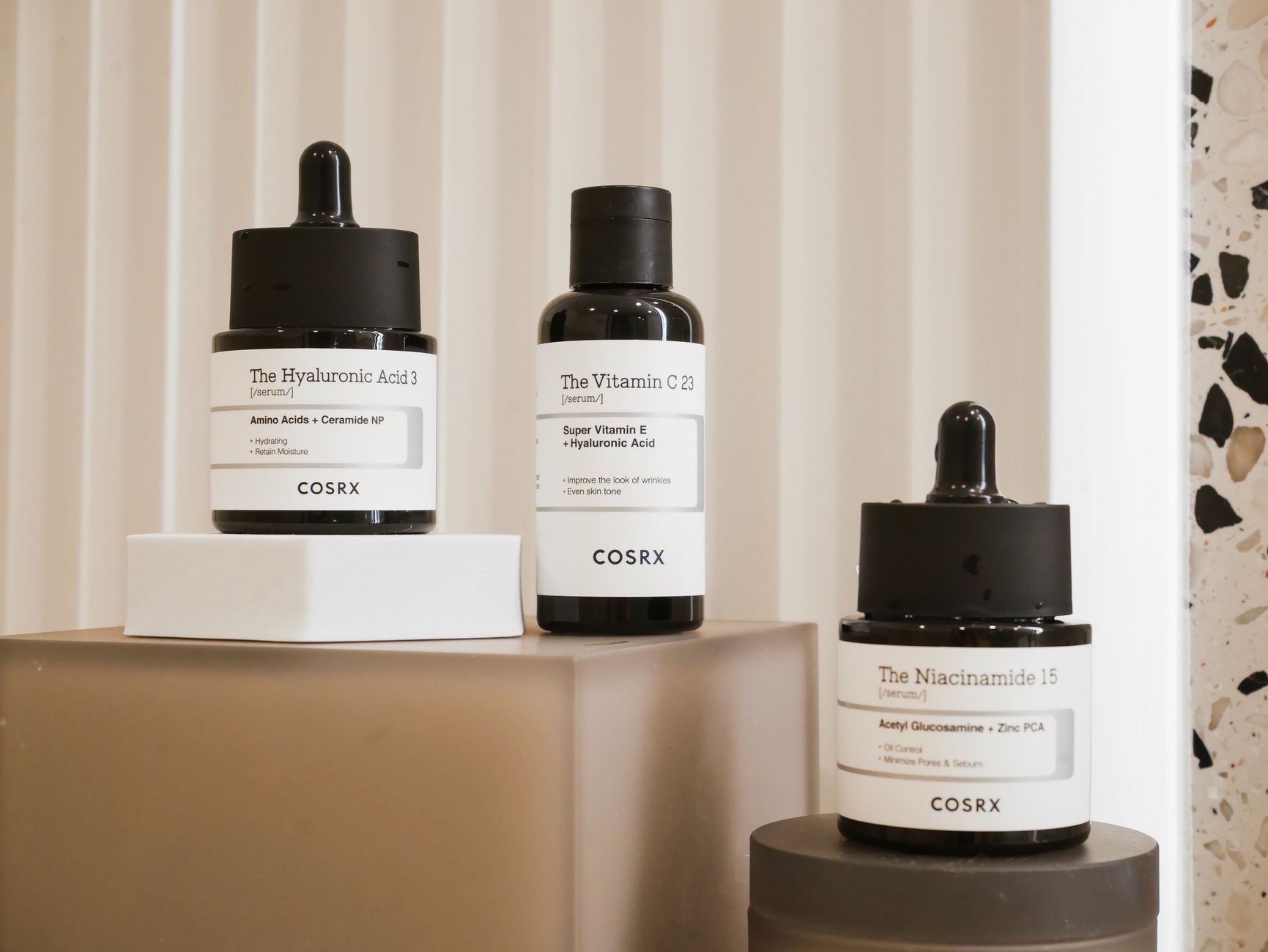
Yes, you can absolutely use niacinamide with salicylic acid in your skincare routine, and they actually make a powerful combination for achieving clearer, brighter, and healthier skin. These two ingredients complement each other by targeting various skin concerns, especially for those dealing with oiliness, breakouts, and enlarged pores.
Why Niacinamide and Salicylic Acid Are a Dynamic Duo
Both niacinamide and salicylic acid are highly regarded for their skin benefits, but they work through different mechanisms, making them particularly effective when used in conjunction.
Niacinamide, a form of vitamin B3, is a versatile ingredient known for its ability to strengthen the skin’s moisture barrier, reduce redness and inflammation, and diminish the appearance of enlarged pores. It also plays a role in regulating excess sebum (oil) production on the skin’s surface and can help with hyperpigmentation and uneven skin tone. Its gentle nature makes it suitable for most skin types, even sensitive skin.
Salicylic acid, a beta hydroxy acid (BHA), is an oil-soluble chemical exfoliant that penetrates deep into the pores to dissolve sebum and dead skin cells. This makes it exceptionally effective at unclogging pores, treating and preventing acne breakouts, and reducing blackheads and whiteheads. Salicylic acid also has anti-inflammatory properties, which can help calm redness associated with blemishes.
When used together, their benefits overlap and enhance each other:
- Oil Regulation: Niacinamide helps reduce surface oiliness, while salicylic acid tackles oil production within the pores, leading to comprehensive oil control without excessive dryness.
- Pore Refinement: Salicylic acid clears out clogged pores, and niacinamide then works to reduce the visible appearance of those enlarged pores.
- Barrier Support & Soothing: Niacinamide’s ability to strengthen the skin barrier and reduce inflammation helps counteract any potential dryness or irritation that can sometimes occur when introducing salicylic acid.
- Improved Texture & Tone: Salicylic acid exfoliates to reveal smoother skin, while niacinamide brightens the complexion and evens out skin tone, including fading post-blemish marks.
How to Use Niacinamide with Salicylic Acid Effectively
Related reading: Hyaluronic Acid Skincare Guide: How to Use It, Layer It, and Pick the Right Formula
While these ingredients are compatible, their optimal effectiveness often depends on their individual pH levels. Salicylic acid products typically have an acidic pH (between 3 and 4), whereas niacinamide performs best at a more neutral pH (around 6). Therefore, it’s generally not recommended to mix them directly or layer them immediately one after the other without a waiting period, as this could compromise their efficacy.
Here are the best ways to incorporate them into your routine:
Option 1: Apply at Different Times of Day
This is often the simplest and most recommended method, especially if you have sensitive skin or are new to active ingredients.
- Evening Routine: Apply your salicylic acid product after cleansing and toning. Since exfoliating acids can make your skin more sensitive to the sun, and many people have more time for absorption at night, this is often preferred.
- Morning Routine: Apply your niacinamide product after cleansing. Niacinamide’s more neutral pH works well with most moisturizers and sunscreens, allowing for quicker application before heading out the door.
Option 2: Use with a Waiting Period
If you prefer to use both in the same routine, typically in the evening:
- Cleanse: Start with a clean face.
- Apply Salicylic Acid: Apply your salicylic acid serum or treatment to dry skin.
- Wait: Allow at least 30 minutes for the salicylic acid to fully absorb and for your skin’s pH to return to its normal level. Some sources suggest a minute may be sufficient, but a longer wait ensures optimal conditions.
- Apply Niacinamide: Follow with your niacinamide serum.
- Moisturize: Finish with a moisturizer if your skin feels dry or tight.
The general rule of thumb for layering is to apply products from the thinnest consistency to the thickest. Salicylic acid serums are typically lightweight and should be applied first.
When the Answer Changes: Considerations for Your Skin
Skin Type and Sensitivity:
- Oily/Acne-Prone Skin: This combination is particularly beneficial for you, as both ingredients target excess oil and breakouts.
- Sensitive Skin: Start slowly. Introduce one ingredient at a time, and then gradually incorporate the second. Consider using them on alternate days rather than every day, or strictly sticking to the “different times of day” method. Always perform a patch test on a small, discreet area of skin before applying new products widely.
- Dry Skin: While niacinamide is hydrating, salicylic acid can be drying for some. Ensure you’re using a good moisturizer to support your skin barrier.
Concentrations: Start with lower concentrations of both ingredients and observe how your skin reacts. You can gradually increase the strength or frequency of use as your skin builds tolerance.
Recommended Products
Related reading: Retinol for Beginners: The Complete Guide to Starting Safely
To help you incorporate these powerhouse ingredients, we recommend products that align with our science-backed approach:
-
For Niacinamide: We like The Ordinary Niacinamide 10% + Zinc 1%. This water-based serum offers a high concentration of 10% niacinamide, supported by 1% zinc PCA, to effectively reduce congestion, visible sebum activity, and the appearance of enlarged pores. It’s a fantastic, affordable option for improving skin texture and radiance, especially for oily, combination, and acne-prone skin types. At around $6 at the time of writing, it’s a great value. Please note, The Ordinary advises against using this serum in the same routine as pure or ethylated Vitamin C to avoid affecting the integrity of the Vitamin C.
-
For Salicylic Acid: Our pick is Paula’s Choice 2% BHA Liquid Exfoliant. This cult-favorite liquid exfoliant contains 2% salicylic acid, making it highly effective at unclogging pores, smoothing skin texture, and reducing breakouts. It penetrates deeply into the pores thanks to its oil-soluble nature and also has anti-inflammatory benefits. It’s formulated without fragrance and is suitable for most skin types, including sensitive and acne-prone skin. Expect to find it for around $13-$15 for the 1 oz trial size.
Frequently Asked Questions
Can I use a product that already combines niacinamide and salicylic acid?
Yes, many formulations now combine these ingredients, often balancing their pH levels to ensure optimal efficacy without irritation. These all-in-one products can be a convenient way to get the benefits of both without worrying about layering order or waiting times.
What if I experience irritation when using them together?
If you notice redness, dryness, or discomfort, it’s a sign that your skin might be overwhelmed. Try reducing the frequency of use, separating them into different routines (morning/evening), or using them on alternate days. Ensure you’re also using a gentle cleanser and a good moisturizer to support your skin barrier.
Is one ingredient “better” than the other for acne?
While both are excellent for acne-prone skin, salicylic acid is generally considered more direct for targeting blemishes due to its pore-penetrating and exfoliating abilities. Niacinamide acts as a fantastic supportive ingredient, reducing inflammation and improving overall skin health to complement salicylic acid’s work.
Related Articles
- Peptides in Skincare: What They Do and Which Products Are Worth It for Mature Skin 2026
- Salicylic Acid Guide: How to Use It for Acne Without Over-Drying
- How to Fade Dark Spots: The Ingredients That Actually Work for Mature Skin
- Niacinamide Benefits for Skin: The Complete Ingredient Guide for 2026
Where to Buy

💬 Join the Conversation
Have thoughts on this article? We'd love to hear from you.