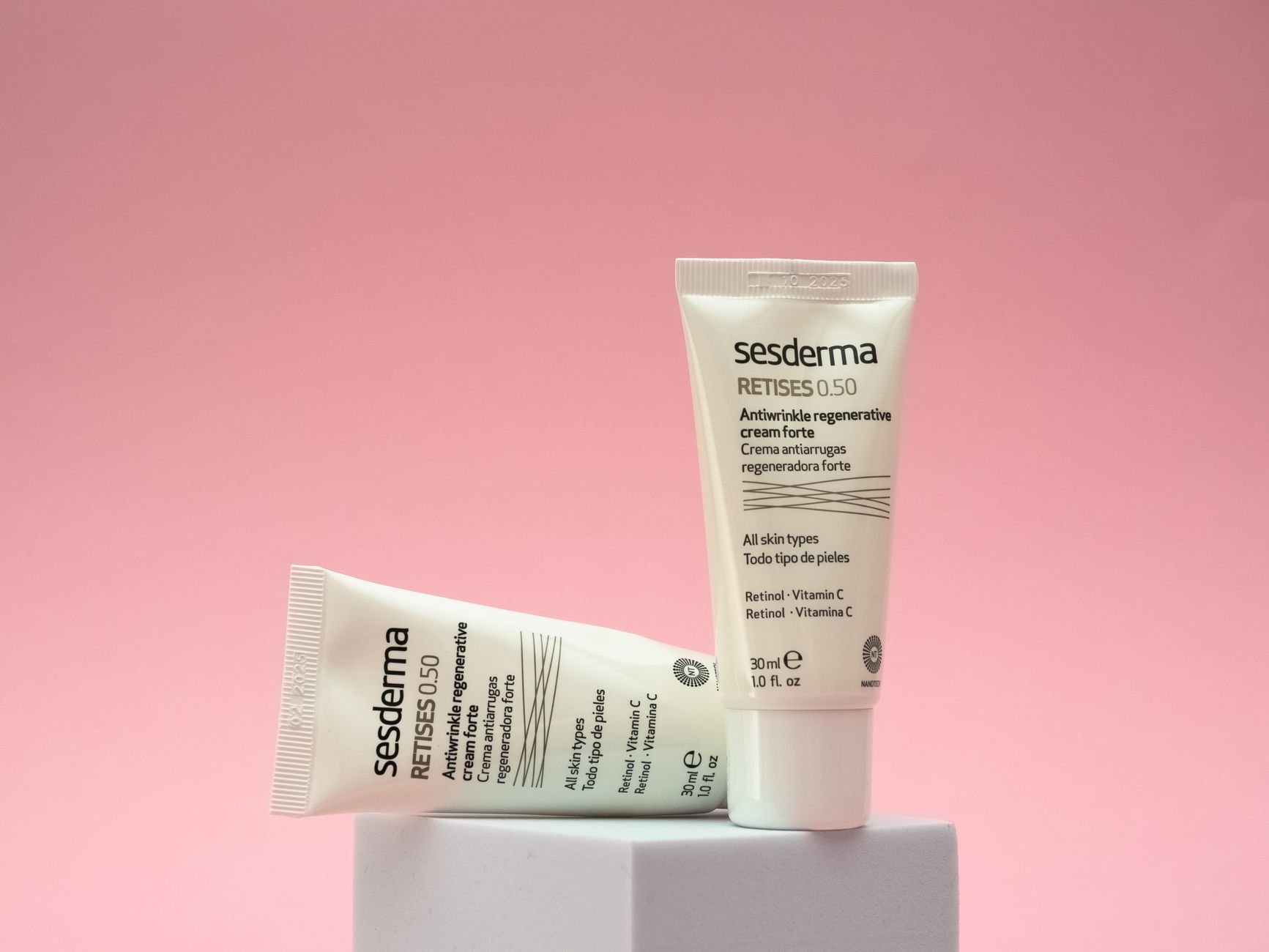
Yes, you absolutely can use niacinamide with retinol in your skincare routine. This pairing allows you to benefit from retinol’s skin-renewing power while significantly reducing its potential for irritation.
The Science Behind This Power Couple
Understanding what each ingredient does for your skin individually explains why niacinamide and retinol work so well together.
What Does Niacinamide Do?
Related reading: Hyaluronic Acid Skincare Guide: How to Use It, Layer It, and Pick the Right Formula
Niacinamide, a form of vitamin B3, is a gentle yet effective ingredient, readily used by your skin to support various functions.
Here’s a closer look at its key benefits:
- Strengthens the Skin Barrier: Niacinamide helps boost the natural production of ceramides, essential lipids that form the building blocks of a strong skin barrier. This barrier locks in moisture, preventing water loss and protecting skin from environmental stressors.
- Reduces Inflammation and Redness: Its anti-inflammatory properties are excellent for calming redness and irritation, making it suitable even for sensitive or reactive skin.
- Balances Oil Production: Niacinamide helps regulate sebum production, which can be particularly beneficial for those with oily or blemish-prone skin. This leads to fewer breakouts and clearer pores.
- Brightens and Evens Skin Tone: It can reduce the appearance of discoloration and brighten dull skin, contributing to a more even and radiant complexion by inhibiting melanin transfer.
- Minimizes Pore Appearance: By improving overall skin texture and regulating oil, niacinamide can make pores appear smaller and less noticeable.
What Does Retinol Do?
Retinol, a derivative of vitamin A, is one of the most researched and effective anti-aging ingredients available without a prescription. It works by accelerating skin cell turnover, meaning older cells are shed faster and replaced by fresher, more organized cells.
Its well-documented benefits include:
- Reduces Fine Lines and Wrinkles: By stimulating collagen production and accelerating cell turnover, retinol helps to smooth out the appearance of fine lines and wrinkles.
- Improves Uneven Skin Tone and Texture: Retinol can diminish hyperpigmentation, reduce dullness, and smooth the overall texture of the skin.
- Combats Acne and Congestion: It helps prevent the buildup of dead skin cells that can clog pores, thereby reducing breakouts and minimizing pore congestion.
Why They Work Better Together
Related reading: Retinol for Beginners: The Complete Guide to Starting Safely
Retinol is incredibly effective, but its rapid cell turnover can sometimes lead to temporary side effects like dryness, redness, flaking, and sensitivity, especially for beginners. Niacinamide steps in as retinol’s ideal partner here.
The real benefit comes from niacinamide’s ability to act as a barrier fortifier and soothing agent. Applied before retinol, niacinamide helps to strengthen the skin’s natural protective barrier, which retinol’s action can temporarily stress. Its ceramide-building and anti-inflammatory properties reduce the irritation, dryness, and sensitivity new retinol users often experience. This makes the transition much smoother, the overall routine more tolerable, and ultimately allows your skin to better tolerate the active ingredient for enhanced results.
When the Combination Changes Based on Your Skin
Combining niacinamide and retinol is adaptable. Your skin type, sensitivity level, and experience with active ingredients might influence how you incorporate them.
- For Sensitive or Beginner Skin: If your skin is easily reactive or you’re new to retinol, introduce the combination slowly. Niacinamide’s soothing properties are especially beneficial here, helping to buffer retinol’s intensity.
- For Oily and Acne-Prone Skin: This combination is particularly effective. Niacinamide regulates sebum production, leading to less oil and fewer breakouts, while retinol accelerates cell turnover to prevent clogged pores and improve acne.
- For Experienced Users: Those accustomed to retinol can enjoy the full synergistic benefits, potentially layering them in the same evening routine for amplified anti-aging and skin-refining results.
How to Act on It: Incorporating Niacinamide and Retinol into Your Routine
Incorporating niacinamide with retinol into your routine is straightforward and highly effective.
Layering Them in the Same Routine
We generally recommend applying niacinamide first, followed by retinol.
- Cleanse: Start with a gentle cleanser to prepare your skin.
- Niacinamide: Apply a thin layer of your niacinamide serum. Allow 30 to 60 seconds for it to absorb properly. This lets niacinamide begin its barrier-supporting work, creating a more receptive environment for the retinol.
- Retinol: Follow with your retinol product.
- Moisturize: Finish with a hydrating moisturizer to seal everything in and provide additional comfort, especially if your skin tends to be dry.
For those with very sensitive skin, we also recommend the “sandwich method”: apply a thin layer of moisturizer, then your retinol, and then another layer of moisturizer. You can incorporate niacinamide as the first step, before the initial moisturizer layer, to further prep and protect the skin.
Frequency of Use
- Niacinamide: This ingredient is gentle enough for daily use, both morning and night, if you choose.
- Retinol: Introduce retinol slowly. Start with 1 to 2 nights per week, then gradually increase the frequency as your skin builds tolerance. Retinol increases photosensitivity, so it’s best used in your evening routine.
- Morning/Evening Split: Another valid approach, particularly for beginners or those with sensitive skin, is to use niacinamide in your morning routine and save retinol for your evening routine. This still provides the benefits of both ingredients while reducing the number of active ingredients on your skin at any one time.
Don’t Forget Sunscreen!
Retinol increases your skin’s sensitivity to the sun. Always, without exception, apply a broad-spectrum sunscreen with an SPF of 30 or higher every morning, even on cloudy days.
Our Product Recommendations for Combining Niacinamide with Retinol:
We like these products for their effective formulations and how well they complement a routine using both ingredients.
-
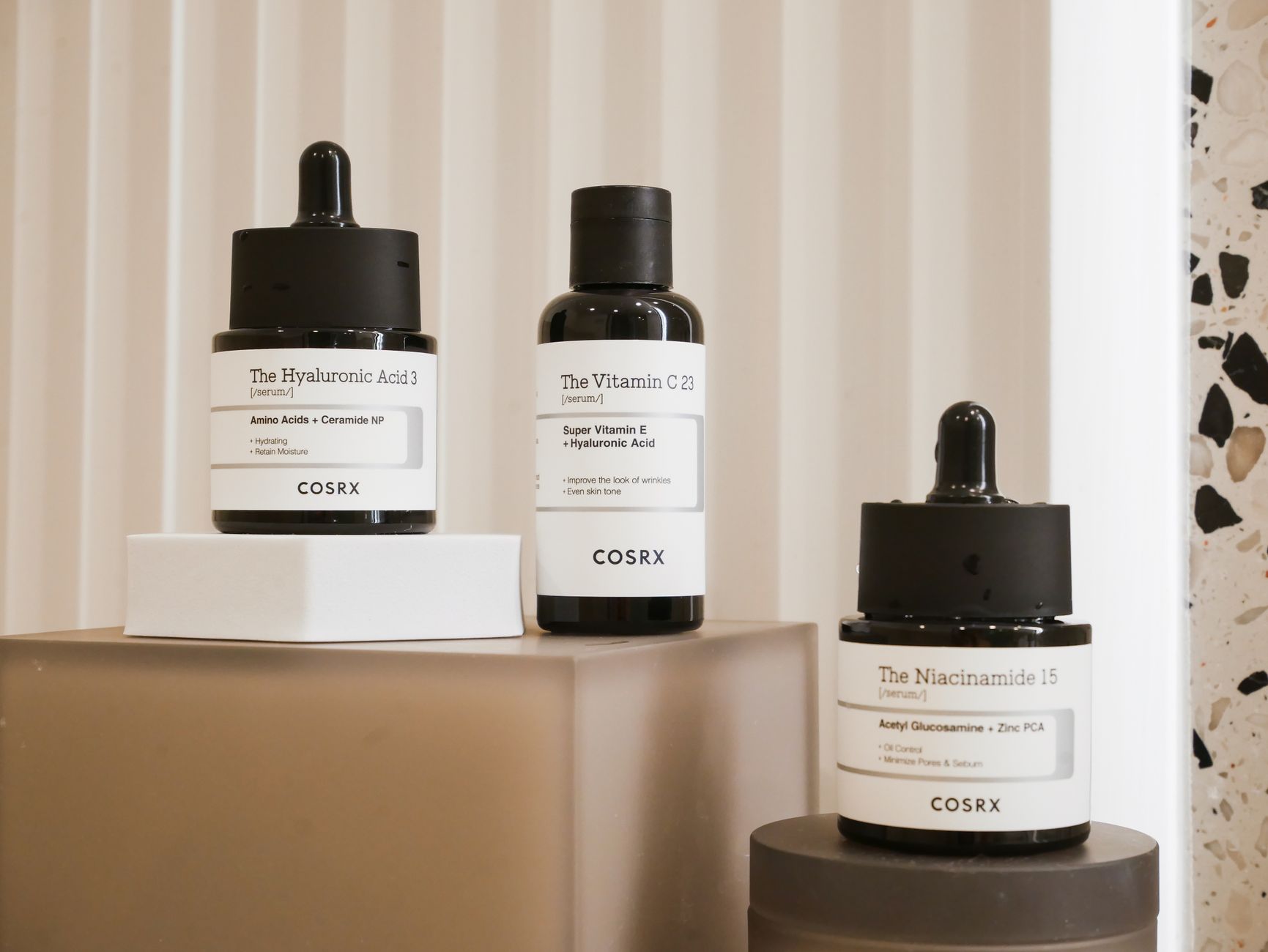
For Your Niacinamide Step: The Ordinary Niacinamide 10% + Zinc 1% This water-based serum delivers a high concentration of 10% niacinamide, coupled with 1% zinc PCA. It’s an excellent choice for targeting visible shine, enlarged pores, and textural irregularities, and for strengthening the skin’s moisture barrier. We’ve found that some users with very sensitive skin might experience initial dryness or small bumps; starting slowly and patch testing can help. It’s also incredibly budget-friendly, typically retailing around $6-$17 depending on the size and retailer. The Ordinary Niacinamide 10% + Zinc 1%
-
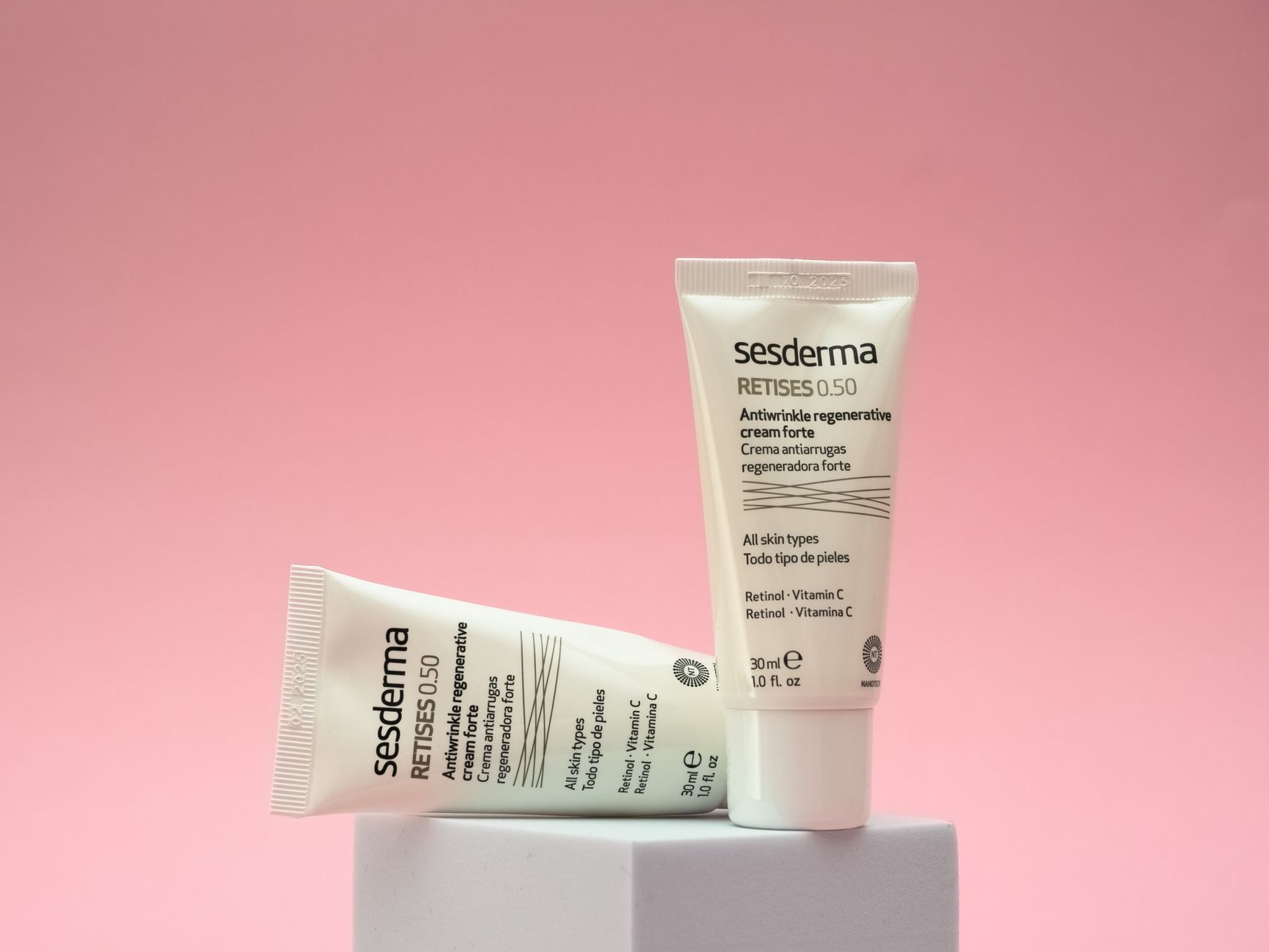
For Your Retinol Step: CeraVe Resurfacing Retinol Serum This lightweight, fast-absorbing serum is formulated with encapsulated retinol, which helps reduce the appearance of post-acne marks and minimizes the look of pores. It also contains three essential ceramides to help restore the skin’s barrier and soothing niacinamide, making it a comprehensive choice that inherently supports skin comfort alongside retinol use. It’s also non-comedogenic, paraben-free, and fragrance-free, making it suitable for many skin types. This serum generally retails around $18-$25. CeraVe Resurfacing Retinol Serum
For anyone looking to introduce a potent anti-aging ingredient with minimal irritation, we recommend starting with the CeraVe Resurfacing Retinol Serum. Its built-in ceramides and niacinamide offer a gentler entry into retinol use, even without a separate niacinamide product.
Related Articles
- Peptides in Skincare: What They Do and Which Products Are Worth It for Mature Skin 2026
- Salicylic Acid Guide: How to Use It for Acne Without Over-Drying
- How to Fade Dark Spots: The Ingredients That Actually Work for Mature Skin
- Niacinamide Benefits for Skin: The Complete Ingredient Guide for 2026
Where to Buy

💬 Join the Conversation
Have thoughts on this article? We'd love to hear from you.