When you purchase through links on our site, we may earn an affiliate commission. How it works.
Choosing between Alpha Hydroxy Acids (AHAs) and Beta Hydroxy Acids (BHAs) depends entirely on your skin concerns. AHAs exfoliate the skin’s surface, ideal for fine lines, hyperpigmentation, and brightness, while BHAs are oil-soluble, penetrating pores to address acne, excess oil, and congestion. We’ll break down the science simply so you can make informed decisions for your skin.
What are AHAs and How Do They Work?
Alpha Hydroxy Acids (AHAs) are water-soluble acids typically derived from sugary fruits, milk, or plants. Common AHAs include:
- Glycolic Acid: Derived from sugarcane, its small molecular size allows for deeper penetration and effective exfoliation. It’s excellent for improving skin texture and tone, reducing fine lines, and brightening the complexion.
- Lactic Acid: Originating from fermented milk or sugar, it’s a gentler AHA that also provides hydration benefits.
- Mandelic Acid: Derived from bitter almonds, its larger molecular structure makes it suitable for sensitive skin.
AHAs dissolve the “glue” holding dead skin cells on the surface, promoting natural exfoliation and cell turnover. This process reveals newer, healthier skin cells, leading to smoother texture and a more even tone. Beyond exfoliation, AHAs can stimulate collagen and hyaluronic acid production, which helps improve skin firmness, elasticity, and hydration, making them beneficial for anti-aging concerns and dry skin.
For optimal effectiveness, AHAs typically work best in concentrations of 4-10% and at a pH below 4. The FDA recommends consumer AHA products have concentrations of 10% or less and a pH of 3.5 or greater.
What are BHAs and How Do They Work?
Related reading: Hyaluronic Acid Skincare Guide: How to Use It, Layer It, and Pick the Right Formula
Beta Hydroxy Acids (BHAs) are oil-soluble chemical exfoliants. The most common BHA in skincare is Salicylic Acid, naturally found in willow bark and wintergreen leaves.
As oil-soluble exfoliants, BHAs penetrate through the skin’s natural oils directly into pores. Salicylic acid then dissolves the sebum and dead skin cell mixture that causes blackheads, whiteheads, and pimples. This deep-cleaning action unclogs pores, reduces excess oil, and helps prevent breakouts. BHAs also offer anti-inflammatory and antibacterial benefits, soothing existing blemishes and reducing redness.
BHAs are generally effective at concentrations between 0.5% and 5%, with 1-2% being a common and effective range in many skincare products. They perform best at a pH below 3.5, with salicylic acid often around pH 3.0.
AHA vs BHA: Key Differences
While both types of acids exfoliate, their solubility is the fundamental difference that dictates their primary benefits and ideal uses:
| Feature | Alpha Hydroxy Acids (AHAs) | Beta Hydroxy Acids (BHAs) |
|---|---|---|
| Solubility | Water-soluble | Oil-soluble |
| Primary Action | Exfoliates the skin’s surface | Penetrates oil and exfoliates inside pores |
| Best For | Dry, normal, mature, sun-damaged skin | Oily, combination, acne-prone skin, blackheads, whiteheads |
| Concerns | Fine lines, wrinkles, uneven tone, hyperpigmentation, dullness, rough texture, mild sun damage | Acne, blackheads, whiteheads, enlarged pores, excess oil, redness, bumpy skin |
| Hydration | Can increase hydration (e.g., Lactic Acid) | Can be moderately drying due to oil-dissolving properties |
| Sun Sensitivity | Increases sun sensitivity | Doesn’t typically increase sun sensitivity as much as AHAs, but SPF is still crucial |
Which Exfoliating Acid Should You Use?
Related reading: Retinol for Beginners: The Complete Guide to Starting Safely
Your specific skin type and concerns will guide the choice between an AHA, a BHA, or a combination of both.
Choose an AHA if you have:
- Dry or Normal Skin: AHAs, particularly lactic acid, can offer hydration along with exfoliation.
- Concerns about Fine Lines, Wrinkles, and Texture: Glycolic acid is excellent for smoothing skin and stimulating collagen.
- Dullness or Uneven Skin Tone: AHAs help to brighten the complexion and fade discoloration like age spots and mild hyperpigmentation by promoting new cell growth.
- Sun Damage: AHAs can help nourish sun-damaged skin through hydration and firming.
Consider products like:
- The Ordinary Glycolic Acid 7% Toning Solution: This toner is a strong choice for surface exfoliation and brightness, targeting textural irregularities, dullness, and uneven skin tone. At around $10-$13, it’s a popular starting point for many.
- Good Molecules Glycolic Exfoliating Toner: With 3.5% glycolic acid, this toner helps reveal smoother, brighter skin and improve overall tone and texture. It’s often around $14.
Choose a BHA if you have:
- Oily or Combination Skin: BHAs are oil-soluble, allowing them to penetrate deep into pores to dissolve excess sebum and debris.
- Acne, Blackheads, and Whiteheads: Salicylic acid’s ability to clear clogged pores and its anti-inflammatory properties make it highly effective for treating and preventing breakouts.
- Enlarged Pores: By keeping pores clear, BHAs can help them appear smaller and more refined.
- Rosacea-related Redness: Lower concentrations of BHAs can help soothe inflammation.
Consider products like:
- Paula’s Choice 2% BHA Liquid Exfoliant: This leave-on exfoliant is a true classic. Its 2% salicylic acid formula effectively unclogs pores, helps them appear smaller, smooths texture, and can diminish the appearance of wrinkles. Expect to pay around $15-$37, depending on size.
- CeraVe Renewing SA Cleanser: For a gentler BHA introduction, this foaming cleanser uses salicylic acid, hyaluronic acid, niacinamide, and ceramides. It exfoliates while hydrating and supporting the skin’s barrier, making it suitable for rough, bumpy, or acne-prone skin. It’s typically priced around $12-$20.
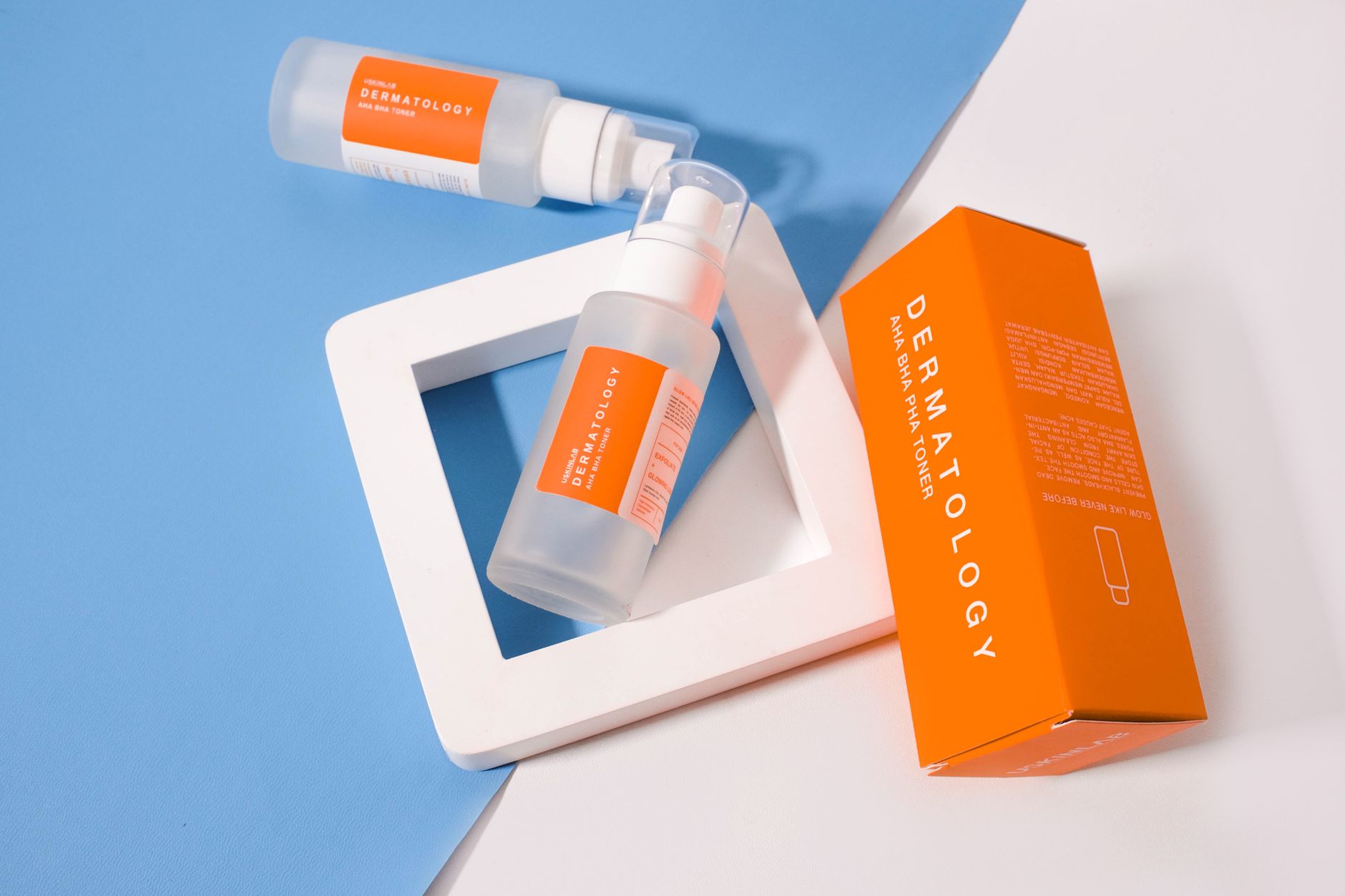
Can you use both AHA and BHA? Yes, using both AHAs and BHAs can be beneficial for those with multiple concerns, like anti-aging and acne. Some products, like the COSRX AHA/BHA Clarifying Treatment Toner, combine both acids for surface and pore exfoliation. If you prefer separate products, we recommend using them at different times of day (e.g., AHA in the morning, BHA at night) or on alternating days to prevent over-exfoliation and irritation.
How to Incorporate Exfoliating Acids into Your Routine
- Start Slowly: Starting slowly is key if you’re new to chemical exfoliants. Begin 2-3 times a week, gradually increasing frequency as your skin adjusts.
- Patch Test: Always patch test a new product on a small, inconspicuous area first. This helps check for adverse reactions.
- Apply After Cleansing: Apply your exfoliating acid after cleansing and toning, but before any serums and moisturizers.
- Listen to Your Skin: Listen to your skin. Over-exfoliation shows up as redness, excessive dryness, peeling, or increased sensitivity. If you notice these signs, reduce frequency or switch to a milder product.
- Always Use Sunscreen: Sunscreen is non-negotiable. AHAs, especially, increase sun sensitivity. Always use a broad-spectrum SPF 30+ sunscreen daily when incorporating any exfoliating acid.
Understanding the distinct properties of AHAs and BHAs empowers you to choose the right exfoliant for a clearer, smoother, and more radiant complexion. For persistent acne and oil, we’d lean towards a BHA like Paula’s Choice, while those seeking surface brightness and textural refinement for drier skin might start with The Ordinary Glycolic Acid.
FAQ
Is a higher percentage of AHA or BHA always better?
Not always. Higher concentrations are more potent but increase irritation risk, especially for sensitive skin. We find 4-10% effective for daily AHA use, and 1-2% optimal for BHAs. It’s always best to start low and observe your skin’s response.
Can I use AHAs and BHAs with other active ingredients like Vitamin C or Retinol?
Combining AHAs or BHAs with potent actives like Vitamin C or Retinol requires careful planning to prevent irritation. We advise introducing new actives one at a time, considering alternate days or different times of day for application. While some products safely combine these ingredients, if using separate formulas, it’s typically best to separate their application — for example, an AHA or BHA in your evening routine and a Vitamin C serum in the morning.
How long does it take to see results from AHAs or BHAs?
Results vary, but many see improvements in skin texture and tone within a few weeks of consistent use. Deeper concerns like fine lines or persistent acne can take several months. We emphasize that consistency, patience, and diligent sun protection are crucial for the best outcomes.
Related Articles
- Peptides in Skincare: What They Do and Which Products Are Worth It for Mature Skin 2026
- Salicylic Acid Guide: How to Use It for Acne Without Over-Drying
- How to Fade Dark Spots: The Ingredients That Actually Work for Mature Skin
- Niacinamide Benefits for Skin: The Complete Ingredient Guide for 2026
Where to Buy

💬 Join the Conversation
Have thoughts on this article? We'd love to hear from you.